
From Intern to Director: The Making of a Modern Leader at ISSA
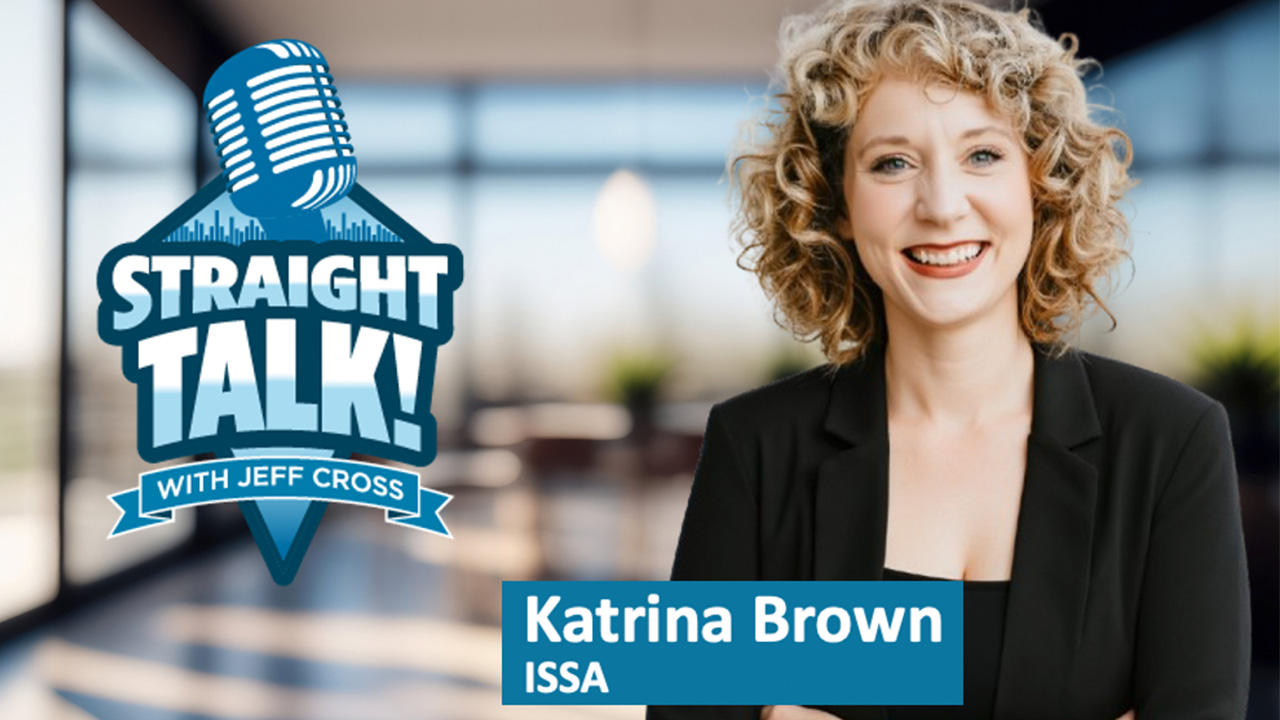
Five years ago, a graduate student in public health opened her inbox and saw an unexpected opportunity: A paid internship with the Global Biorisk Advisory Council (GBAC), a division of ISSA, the association for cleaning and facility solutions.
She applied, interviewed with the team, and stepped through the doors of ISSA unsure of what, exactly, she had signed up for.
Her internship lasted just six short months. She earned a full-time role, moved into an analyst position, and today holds one of the most operationally influential roles inside the association.
Today, that former intern is Katrina Brown, now Director of Operations at ISSA, guiding projects and supporting teams across the association. Her rise has been swift, intentional, and anchored in curiosity and a deep passion for public health.
Ask Brown about her background, and you quickly learn she is equal parts warm, reflective, and funny. Her early jobs included babysitting “cash under the table” and scanning paper documents at a title company—“which definitely dates me,” she joked.
Her hobbies lean toward quiet creativity. “Putting Legos together,” she said. “I’m not at that level, but I love it.” Her favorite food is Mexican, especially chips and salsa, and she will passionately explain why oysters “are disgusting.”
She lives in Chicago now, but her roots are in Kalamazoo, Michigan, where most of her family still lives. Becoming an aunt, she said, is one of her greatest joys.
These details paint a picture of someone grounded in family, curiosity, and a comfortable sense of self—traits that would later help her navigate unexpected challenges at ISSA.
Not a normal job
Brown’s first day as an intern came in 2020, the earliest and most chaotic months of the pandemic.
“I vaguely knew what GBAC did,” she said. “I had looked at the website, we had a couple of calls, and I still wasn’t exactly sure. I know we’re helping people, but oh my goodness, here we go.”
Her first assignment was reviewing documents from facilities seeking GBAC STAR accreditation. She analyzed infectious disease prevention plans and coached organizations on how to strengthen them. The work was technical and urgent—and her contributions mattered immediately.
“It made me feel like I was helping in a situation that all of us were in,” she said. “Talking to members going through accreditation and hearing their struggles made them feel heard. And it made me feel like I had something to give in a moment where we were all thinking, ‘I don’t know what we’re doing.’”
Few early-career professionals get thrown into work with such global impact, and Brown embraced it fully.
Growth factors
When asked what propelled her from intern to director, Brown doesn’t point to a single breakthrough moment or a carefully charted career roadmap. Instead, she credits a mindset and the people around her.
“One, curiosity and the need to be involved,” she said. “And the people that supported me through that. Most of my success in life has been because other people were willing to support me or saw me and believed in me. Then I was able to do the things I do best and flourish in that.”
Her public health background shaped her approach to operations, even when the connection wasn’t obvious on the surface. “What we do here, whether people see a direct connection or not, is for public health,” she explained. “I’m passionate about helping people, and that comes through when I get involved in things.”
That passion is visible in how she speaks about her work: a blend of analytical thinking, empathy, and a desire for processes that truly support members and their staff.
Helping others
During the pandemic years, Brown discovered a deeper truth about service: sometimes you don’t realize how much you’re helping until someone tells you. “I would talk to people about what I was doing, and they’d say, ‘Oh my goodness, you’re really helping the public,’” she said. “That felt really good.”
The emotional weight of that period—fear, uncertainty, global trauma—shaped her understanding of the value of listening.
“It made people feel heard and helped,” she said. “And it made me feel like I was contributing in a moment where we so desperately needed normal.”
Uncertain pathways
Brown admits she didn’t know immediately that she would grow into a leadership role. But once inside the work, she consistently asked questions: How do we improve this process? How do we make this better? How do we support more people effectively?
That pattern of incremental improvement—small decisions made again and again—is ultimately what shaped her path. “I want us to do things right,” she said. “I want it to be incredibly valuable for our members. That’s what pushes me.”
And although her trajectory looks swift from the outside, she emphasizes that her growth wasn’t always planned. “I don’t have a strict plan,” she said. “I want to keep growing, keep learning. But I kind of gave up planning everything when I turned 25.”
Advice for young professionals
Brown’s advice to those starting out is straightforward and empowering.
“Do it scared and be annoying,” she said with a laugh. “You’re never going to know exactly what’s expected. It’s always going to be a little nerve-wracking, especially as you go up in leadership.”
By “be annoying,” she means ask questions—lots of them. “People are so much more open to questions than you think,” she said. “And leaders love talking about their experiences. That’s what they know.”
Her message is clear: Confidence is built through action, not avoidance.
Looking forward, not back
When asked if she has any regrets, Brown’s answer reflects gratitude rather than nostalgia.
“I’m very pleased with where I’m at,” she said. “There are things I wish maybe wouldn’t have happened, but I’ve taken those and turned them into strengths or opportunities.”
Her story underscores a broader truth at ISSA: the association doesn’t just develop programs and standards—it develops people. And when someone like Katrina Brown meets opportunity with curiosity, courage, and a willingness to help, extraordinary things can happen.
“You can be an intern and then become director of something,” she said. “Yes, you absolutely can.”