
International Cleaning Week
Spotless Spaces Competition Finalist

American Museum Of Natural History
Facility Manager
Describe your Spotless Space
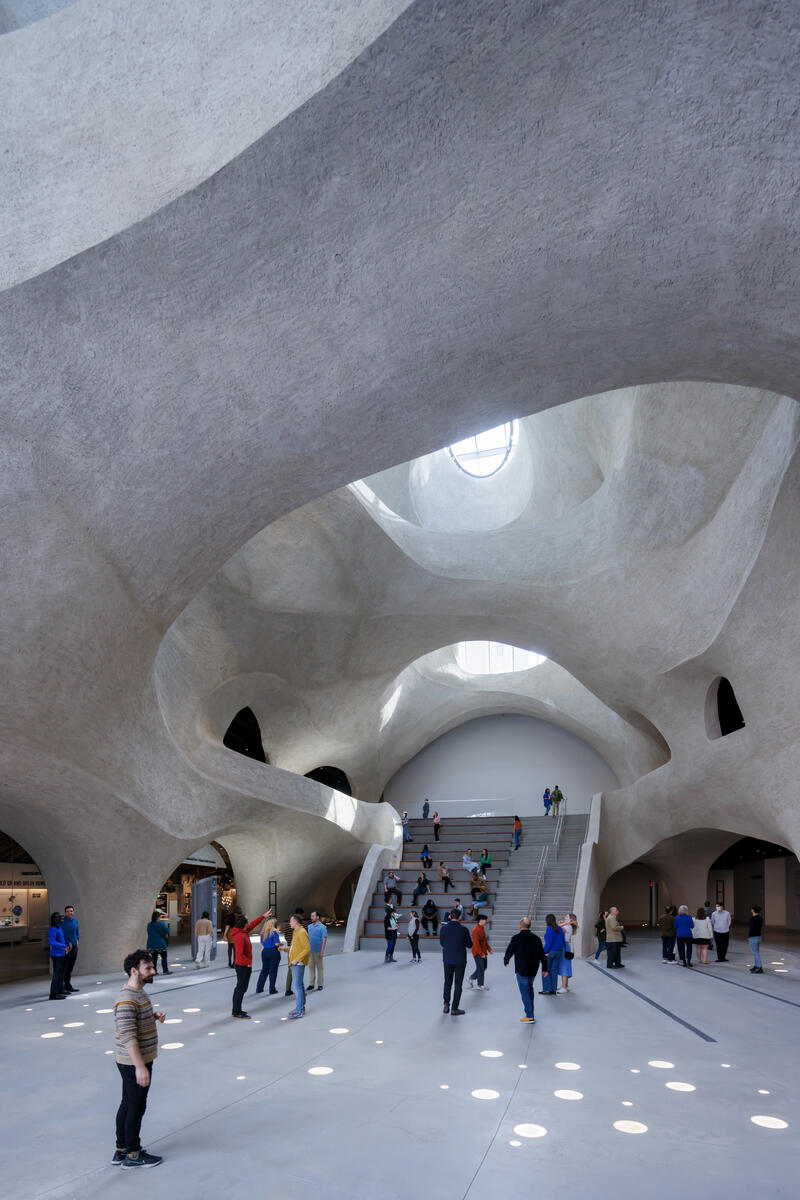
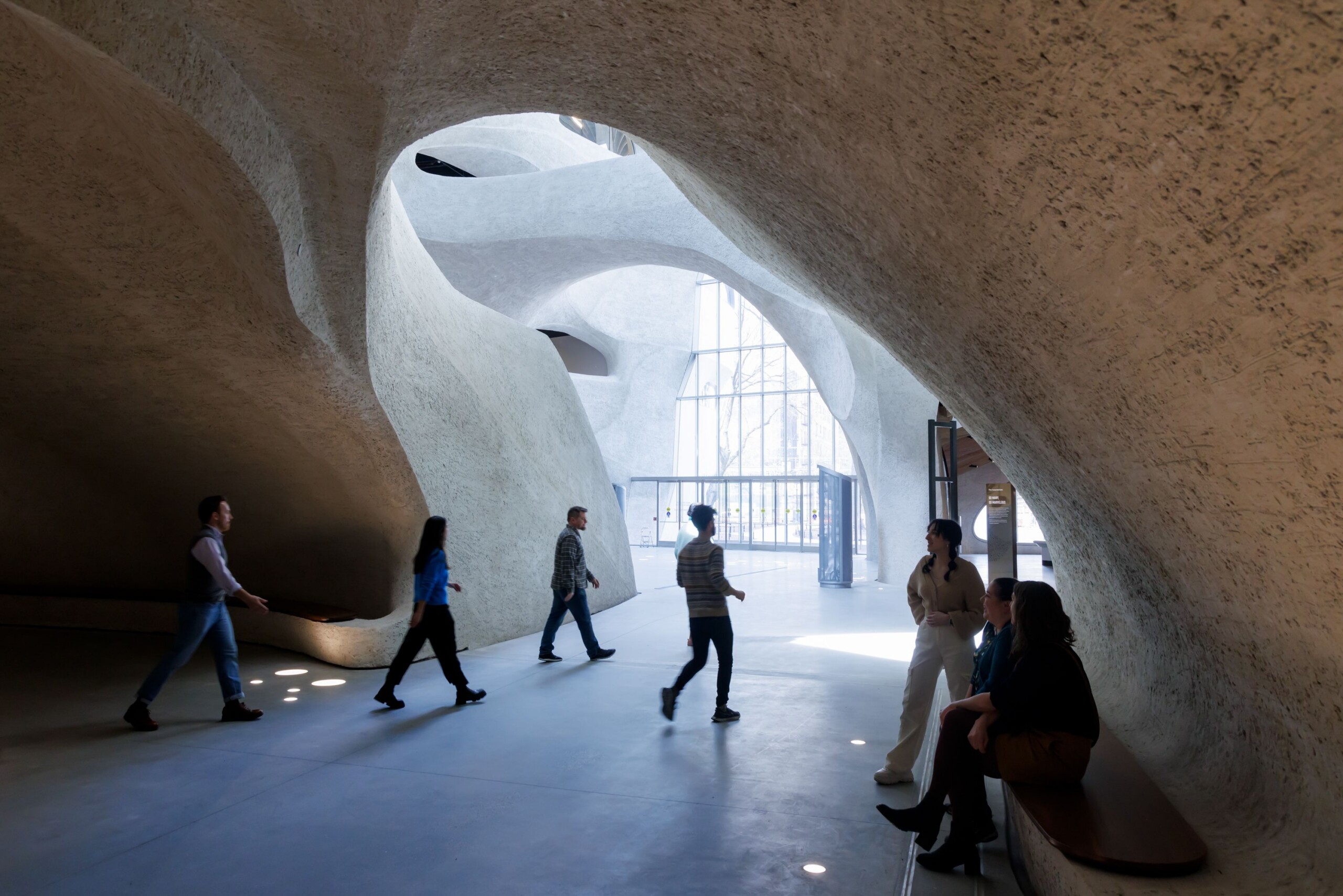
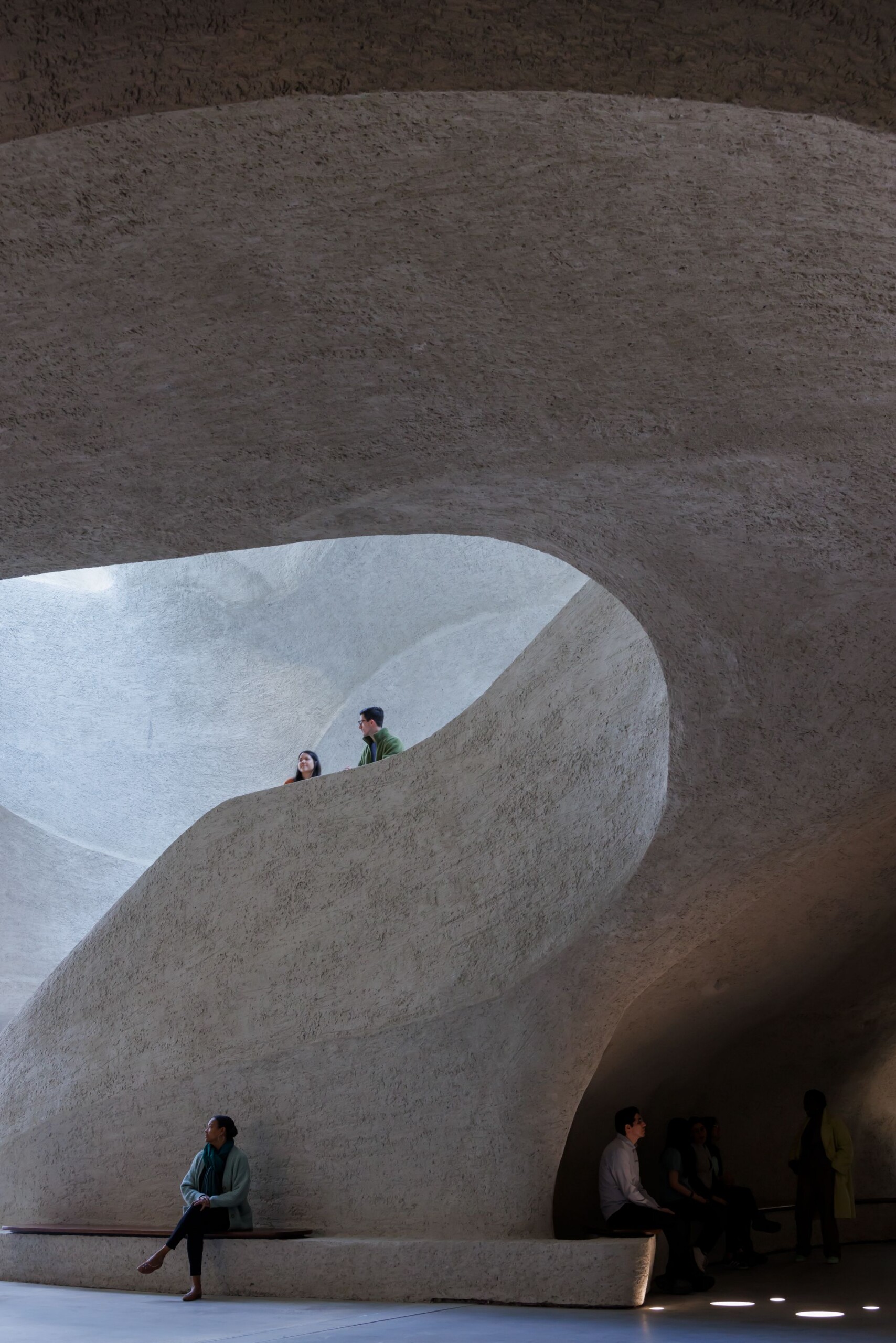
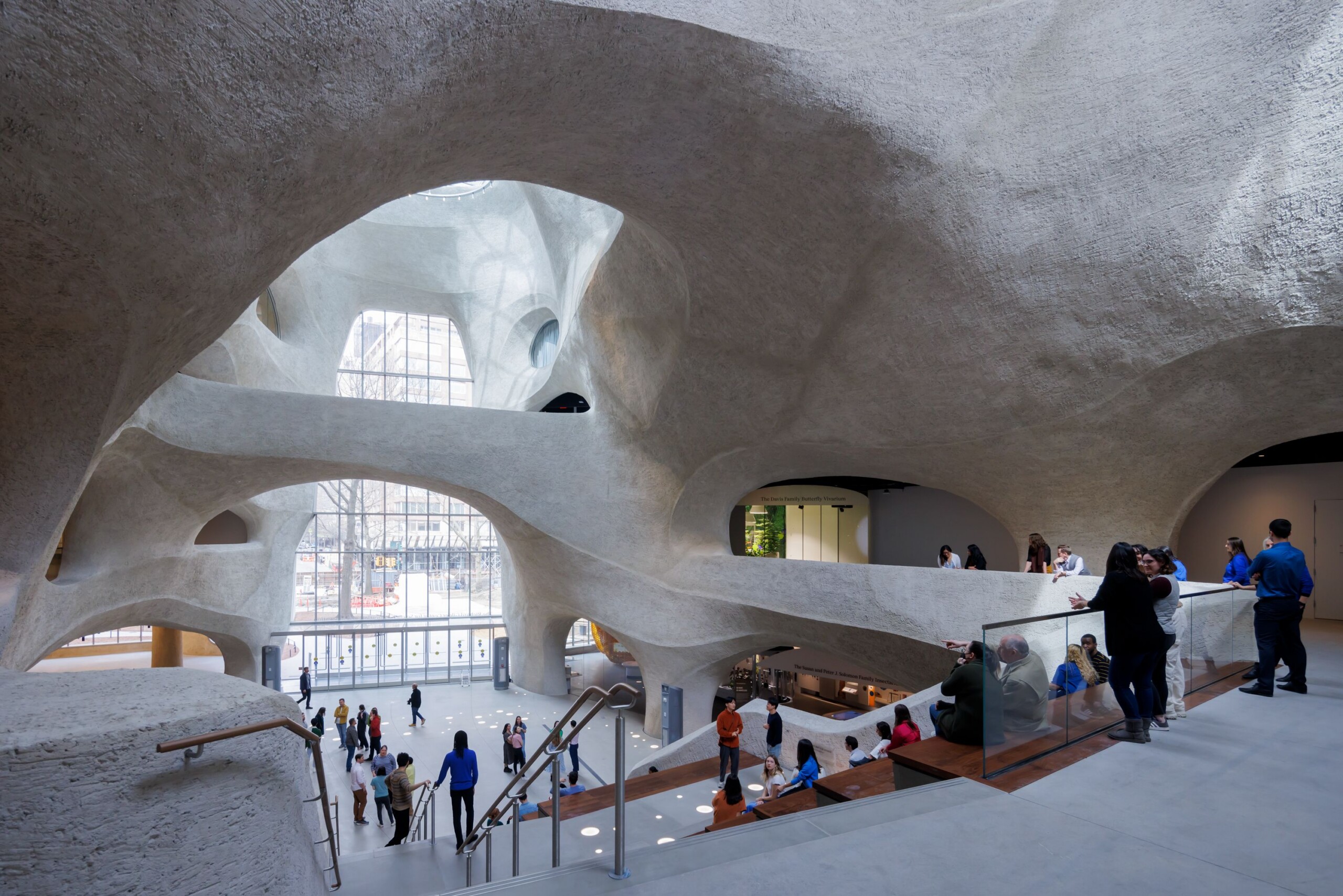
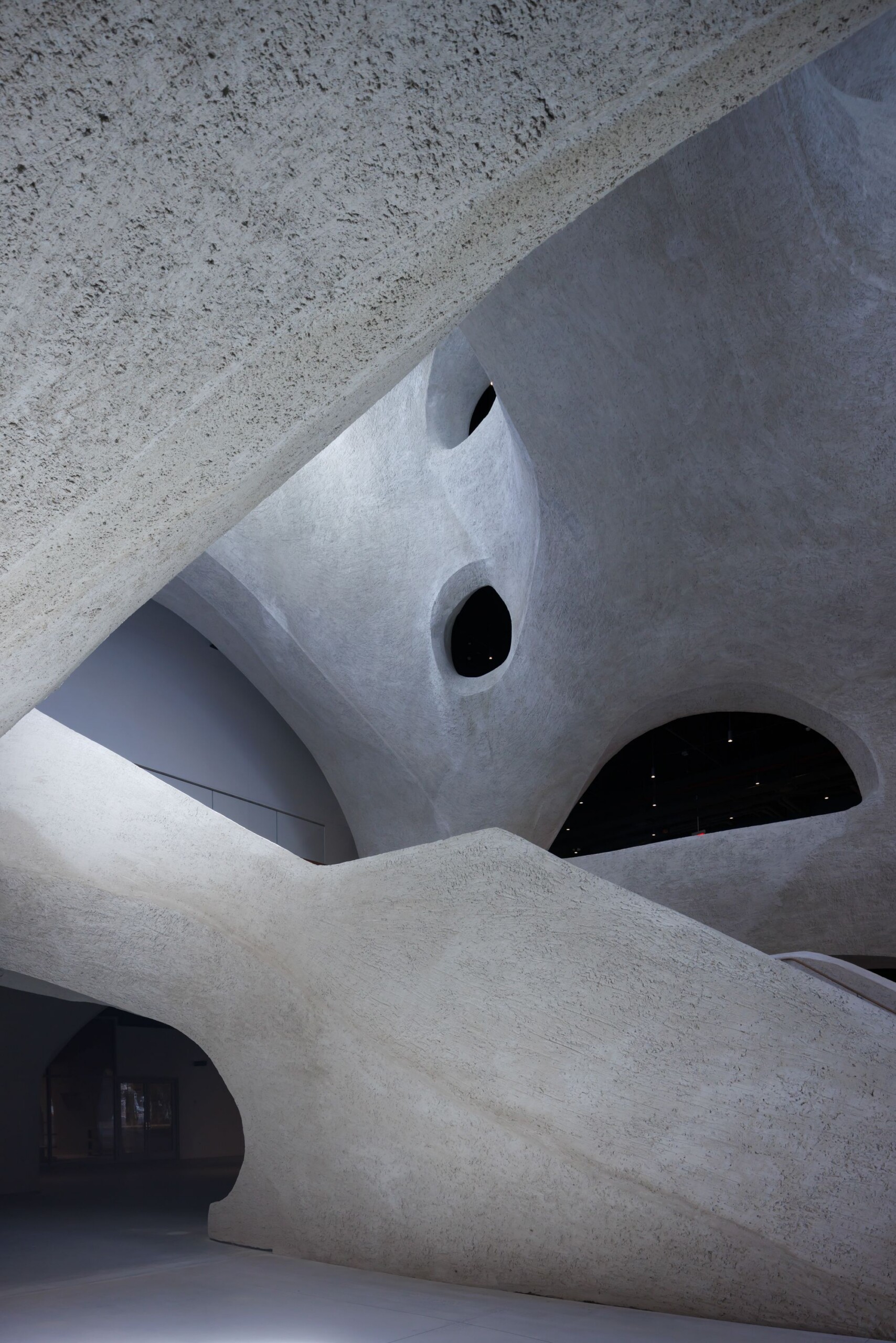
Our spotless space is the five-story Kenneth C. Griffin Exploration Atrium, located in the Richard Gilder Center for Science, Education, and Innovation at the American Museum of Natural History. The Atrium is a public space that greets arriving visitors like an intriguing landscape, its’ architecture akin to a porous geologic formation shaped by the flow of wind and water.
At a time of urgent need for better public understanding of science and greater access to science education, the Richard Gilder Center for Science, Education, and Innovation is designed to embody the American Museum of Natural History (AMNH)’s mission of science end education with experiential architecture that encourages exploration—drawing in people of all ages, backgrounds, and abilities to share the excitement of scientific discovery and learning about the natural world. The Gilder Center responds to the needs of AMNH as well as the character of the surrounding park and neighborhood.
What specific measures do you or your team implement to ensure this space meets the highest standards of cleanliness and embodies the value of clean?
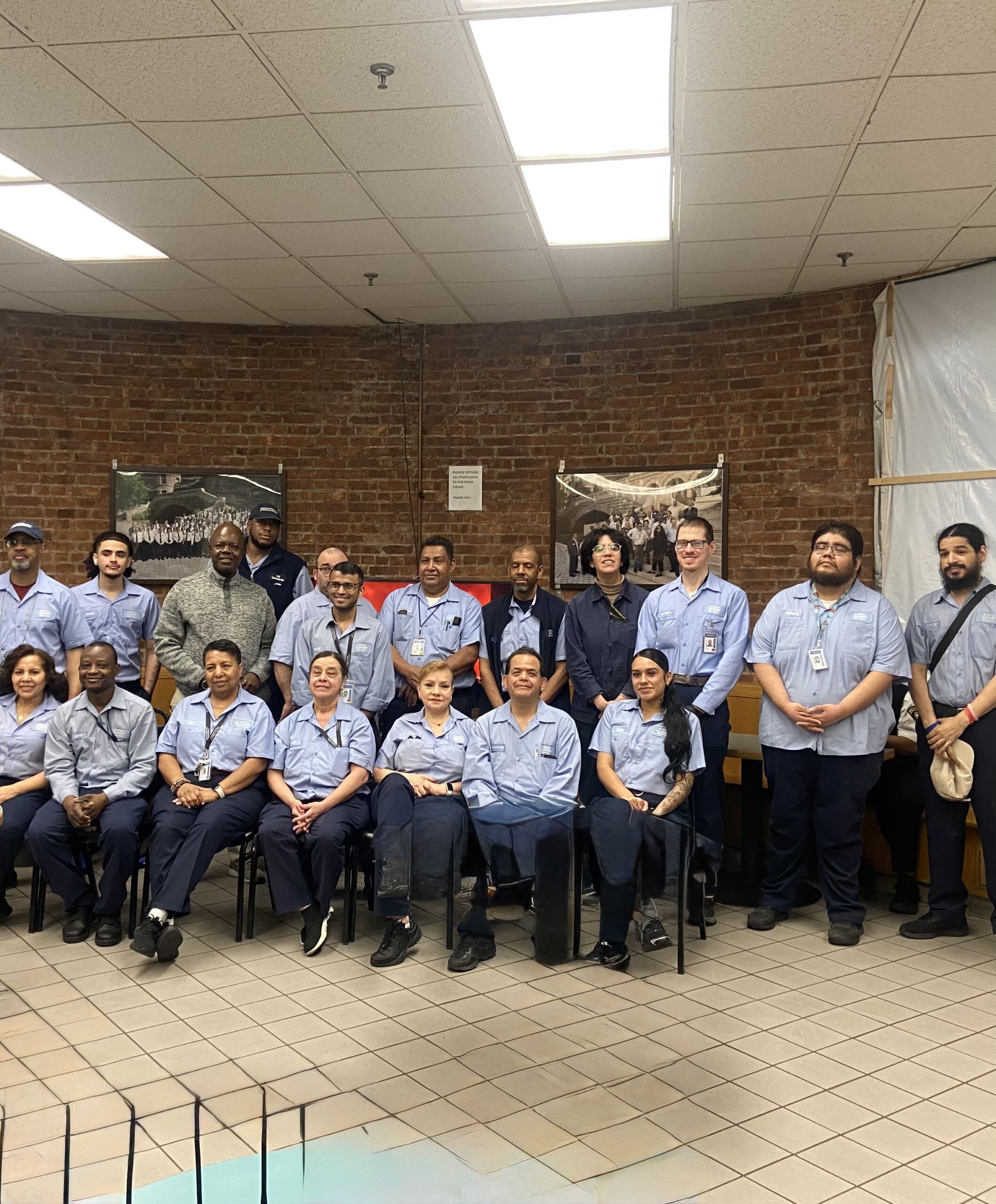
The Museum’s Custodial team utilizes industry-best practices to ensure visitors an enjoyable visit in a clean, safe environment. Specific measures to ensure the highest standards of cleanliness and cleaning operations in the Kenneth C. Griffin Exploration Atrium include:
- An extensive four-week training program for all Museum custodial staff, introducing institutionstandard cleaning procedures and areas of the Museum. Training results are monitored via computerized learning management system, and, beyond this formal training, new team members are mentored by experienced staff throughout their first year to support with Museum-specific challenges, such as changes in visitor flow and Exhibition openings.
- Best-in-class equipment and supplies for all Museum cleaning processes, including highly efficient auto-scrubbers, green cleaning products, and all area restroom cleaners.
- Scheduled cleanings throughout the day, starting with a thorough cleaning of this area and all Museum areas after closing. All areas are checked again prior to opening, to ensure maintained cleanliness. Throughout the day team members are assigned to maintain cleanliness through continuous rounds to provide sanitization, trash pickup, and the elimination of accumulated debris.
What does having a spotless space mean to you and your team and how does it contribute to the organization’s business outcomes?
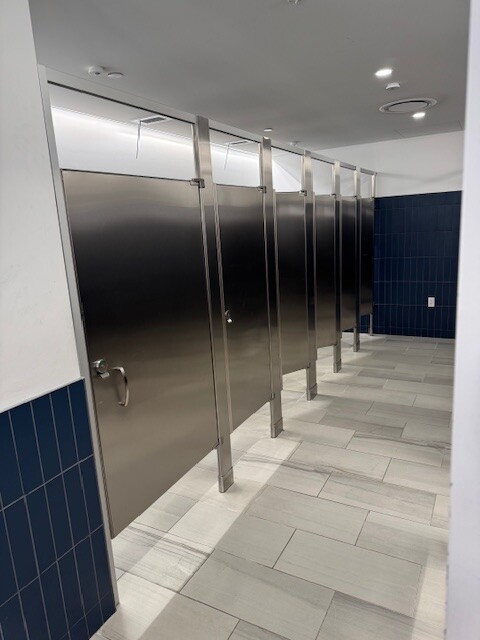
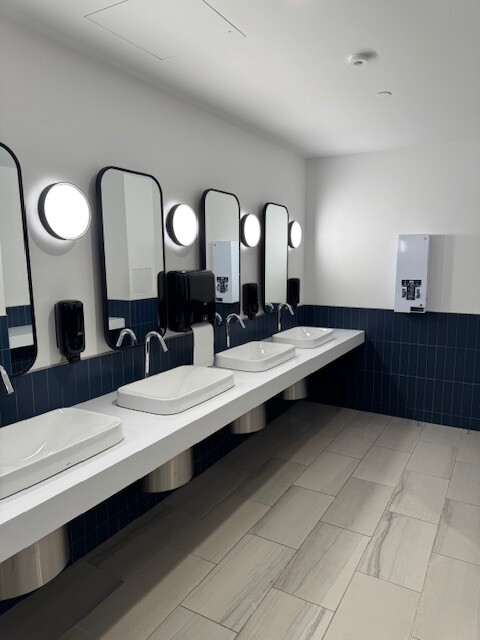
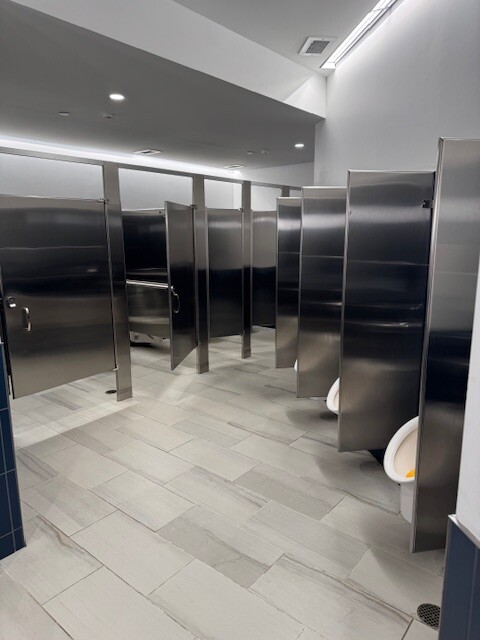
From the Atrium to the entire Museum, ensuring a spotless space means that all visitors have an enjoyable experience in a facility that is clean, welcoming, and free of distraction. As visitors make their way through the Museum, they encounter areas that have been cleaned and maintained at a high level from floor to ceiling, allowing them to focus on the content of our Halls and Exhibitions. All restrooms are stocked and in good order. All Halls are free of debris, trash, spots, and spills. The overall condition helps provide a good experience for the visitors and leads to returns visits, along with recommendations to family and friends.
How does your facility promote sustainability and/or green cleaning?
Processes related to green cleaning at the Museum include:
- Purchasing green-seal products for use in all public areas.
- An extensive recycling program.
- HEPA filters for all vacuums and electrolyzed water for auto-scrubber cleaning.
- Paper products are recycled and in bulk roll form.
In addition, key sustainability features of the Gilder Center include:
- Reuse and Extending the Life of the Institution: The Gilder Center helps to extend the life of AMNH’s campus both by renovating 40,000 sf of space within existing buildings, and by significantly improving the functionality of the campus by creating over 30 new connections among buildings. These connections allow the museum to leverage its existing assets more effectively. The design can also accommodate change in use over time, with high structural load capacity and flat-plate concrete floors that are able to support a wide variety of programs
- Material efficiency: The design minimizes the need for additional finish layers on ceilings and walls, and the thickness of the shotcrete efficiently responds to structural requirements. The design further takes advantage of the properties of shotcrete to limit overall material use in several ways:
- Formwork: The sprayed shotcrete application process eliminates the need for unique, single-use formwork.
- Interior finishes: Shotcrete performs as both structure and final surface, with no additional finishes applied.
- Additional acoustic material: The rough texture of the shotcrete disperses sound, optimizing acoustics in the atrium without the need for additional surface treatments.
- High-performance façade: The Gilder Center’s façade features high-performance glazing and a low window-wall ratio (24% at the west façade, and much lower on all others), which reduces energy use within the building while providing ample daylight.
- Daylighting strategy: Windows and triple-glazed skylights are configured and orientated to allow comfortable natural light deep into the museum and reduce reliance on electric lighting. The park’s deciduous trees provide additional shading to interior spaces during warm months, while maintaining useful heat gains during colder months.
- Displacement ventilation strategy: The vertical dimension of the atrium is used to create thermal stratification. Low-velocity air is supplied at low levels and exhausted at high levels of the atrium space. This thermal stack effect works in concert with a radiant slab system to improve occupant comfort and reduce the energy required to power fans.
- Sustainable landscape design strategies: The landscape design includes the integration of native and adaptive vegetation that require minimal water and a highly water-efficient drip irrigation system that reduces water use by over 70%. The project exterior site lighting and façade lighting fixtures are designed with full and partial cutoff and timed controls to limit light pollution. The high-reflectance roof works with the surrounding park tree canopy to reduce the urban heat island effect.
- Indoor water-use reduction: Efficient, low-flow fixtures achieve a 40% reduction in indoor water use.
Give any examples of how you aim to create an inclusive and accessible experience in your facility for users and cleaners
The opening of the Gilder Center marks a new chapter for the American Museum of Natural History. The new addition increases accessibility and connectivity across its campus, ensuring the institution can effectively engage and educate future generations. The expansion also creates a universally accessible entrance that welcomes visitors into the campus through a first-of-its-kind engineered biomorphic atrium that is the structural system of the building. Practically, the Gilder Center also provides new facilities and office spaces for the Museum’s Education team, which serves hundreds of thousands of school groups and learners each year. The addition also includes new laboratories and collection areas supporting ichthyology and lepidopterology, as well as a renewed library that enhances access to research resources and archives. These new spaces have strengthened collaboration, expanded research capacity, and created state-of-the-art working environments for Museum staff, ensuring that the institution continues to model best practices and state-of-the-art facilities as both a center of science and educational facility. The custodial team also maintains several family restrooms located throughout the Gilder Center.