
Built to last with plenty of growth on the horizon
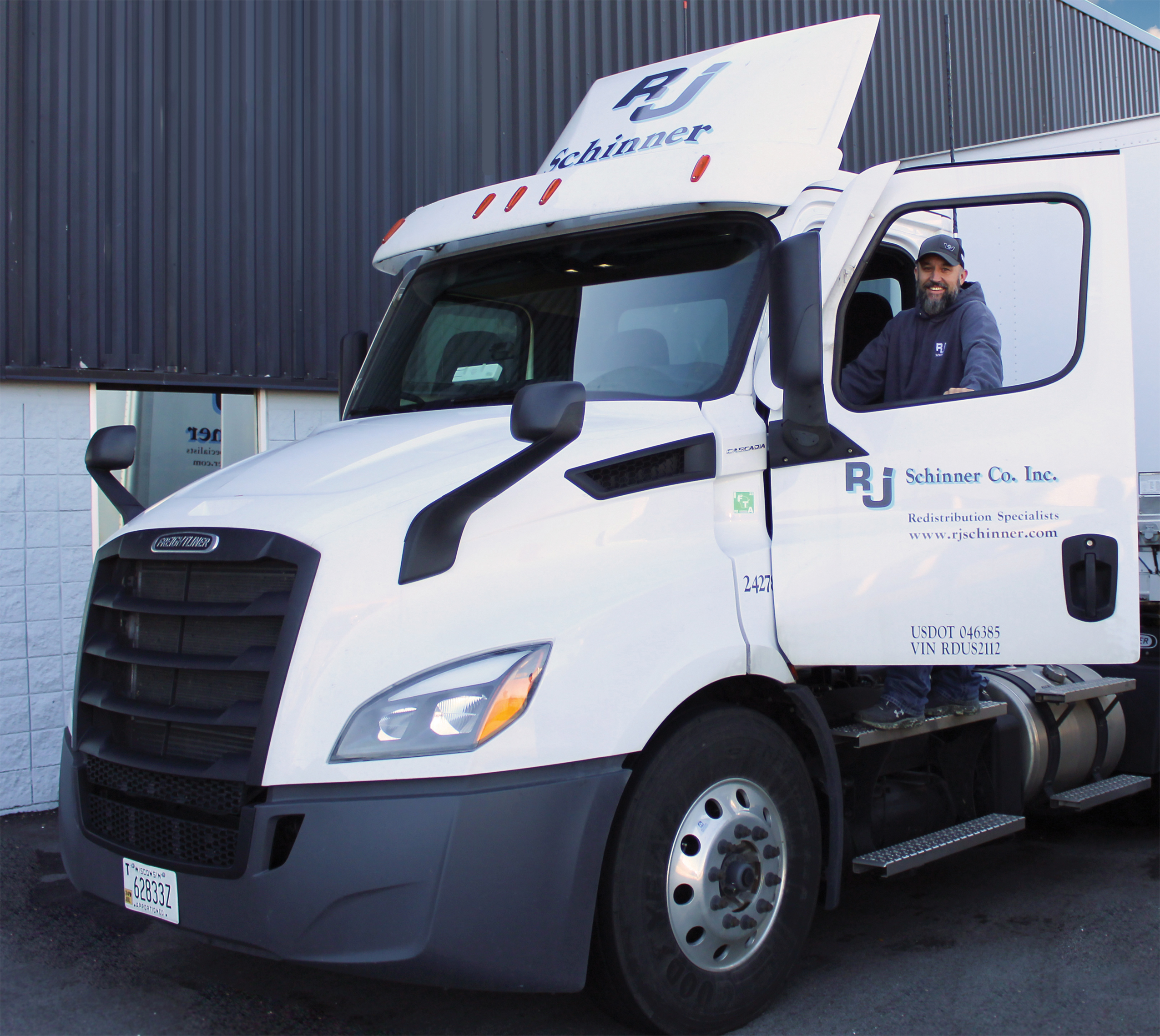
When R.J. Schinner Sr. returned home from World War II and founded his Wisconsin-based redistribution company in 1951, the idea was straightforward: fill a gap in the supply chain and serve wholesale distributors reliably.
Seventy-five years later, that founding purpose still anchors the company his grandson now leads. RJ Schinner has grown into the largest independent redistributor of foodservice, paper, and janitorial products in the United States—operating out of 21 locations, running roughly 150 trucks daily, and employing nearly 700 people from coast to coast.
Ken Schinner, CEO and third-generation family member in the business, recently reflected on the milestone, the company’s remarkable growth trajectory, and what keeps a family-owned business relevant in a consolidating industry.
A family business from the beginning
For Ken Schinner, RJ Schinner has never been just a job. It’s the only company he has ever worked for. His introduction to the business came early, working in the warehouse as a kid during summer months, sweeping floors, stacking product, coming home covered in dust, much to his mother’s frustration.
“It was a labor of love,” he noted with pride. “My dad was my hero, and a lot of family members worked in our business. So, when I went in and worked, I was able to be with not only my family, but be part of an organization that, quite honestly, I was pretty proud of—a family-owned business with my name on the building.”
Ken moved through sales after graduating college in the 1990s, spent roughly a decade and a half on the road building relationships, then worked his way into sales management and eventually the vice president role. He became company president around 2010 and CEO within the last several years. His father, Jim Schinner, serves as chairman of the board. Five cousins round out the third generation currently active in the business, and Ken’s own children—Joe and Rachel—are now getting their feet wet in various departments as they finish college. One is studying supply chain management and marketing.
“The handwriting is on the wall as to where she wants to work,” Ken said with a laugh. “And we certainly welcome that.”
From regional player to national force
For roughly the first 60 years of its history, RJ Schinner operated as a modestly sized Midwestern wholesaler. The competitive landscape of the 1990s and 2000s—scattered with independent wholesalers fighting for the same customers—made meaningful growth difficult. Then the industry began to consolidate, and everything changed.
“When we were an upper Midwestern company in 2010, we had the vision of what our company could become,” Ken related. “We wanted to be much more relevant in the industry. We wanted to become national. But we didn’t want to give up our ownership to do that.”
Between 2010 and 2025, RJ Schinner opened roughly 15 new locations across the country, funding them all internally and never surrendering equity to outside investors. As larger competitors absorbed or displaced the independent wholesalers RJ Schinner had long competed against, the company stepped into the void and nationalized itself. Today, it can reach approximately 95% of the U.S. population with its own trucks within a day.
The results have been consistent. The company has posted growth every single year for more than two decades, averaging around 10% annually. “It’s not just growth, but aggressive growth,” Ken reported. “And we’re really proud of the fact that we’ve been able to keep our culture in place through all of it.”
Lean, nimble, and customer-obsessed
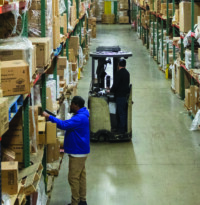 Across the conversation, Ken returned repeatedly to a few core principles: stay lean, cut through red tape, and empower people to act. Those aren’t just talking points at RJ Schinner—they’re structural. Salespeople are authorized to make pricing decisions in real time. Customers and suppliers alike have direct access to ownership. When a window of opportunity opens, the organization moves.
“There is no red tape at RJ Schinner,” he said. “We empower our salespeople and our teams to make quick decisions. Windows of opportunity open and close very quickly, and that sense of urgency in servicing customers is paramount.”
That agility proved its value during the pandemic and again amid ongoing supply chain disruption. RJ Schinner had already established a sourcing office in Shanghai pre-pandemic, giving it visibility into global manufacturing that many competitors lacked. The ability to pivot quickly—diversifying product offerings and tapping both domestic manufacturers and overseas sources as availability and economics changed—kept the company moving forward when others were standing still.
ISSA as a strategic stage
Ken has attended the ISSA show for many years, and the company now brings 20 to 30 people each fall. For RJ Schinner, the event serves multiple purposes at once—benchmarking against in
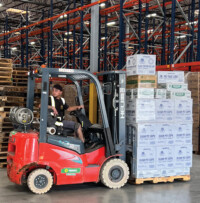 dustry best practices, coordinating with manufacturers and distributor partners, and increasingly, making the company’s national capabilities visible to an industry that’s still getting to know what RJ Schinner has become.
“When we became a national entity, there were a lot of distributors in certain parts of the country that didn’t know a lot about us,” he acknowledged. “The show really allowed us to showcase our organization—our private brands, the domestic manufacturers we’re aligned with, and our marketing capabilities. I think we surprise a lot of people with what our capabilities are.”
Just getting started
As RJ Schinner marks 75 years in business, Ken is quick to frame the milestone not as a finish line but as a launching pad. The company’s presence on both coasts is still relatively young—five to ten years in some markets—and the growth runway, in his view, remains wide open.
“I’ve always been told that the third generation usually bankrupts a family-owned business,” he said. “The good news is we’ve never been more successful than we are today.”
When asked what advice he’d offer other companies navigating a competitive, consolidating industry, Ken’s answer was straightforward.
“Have a vision of what your company can become, and don’t be afraid to invest,” he imparted. “Success in your vision is not going to find you. You have to go out and get it. If you’re not moving forward, you’re falling behind—there is no standing still.”