How to Choose the Right Carpet Cleaning Training Program | Expert Guide
How to Choose the Right Carpet Cleaning Training Program
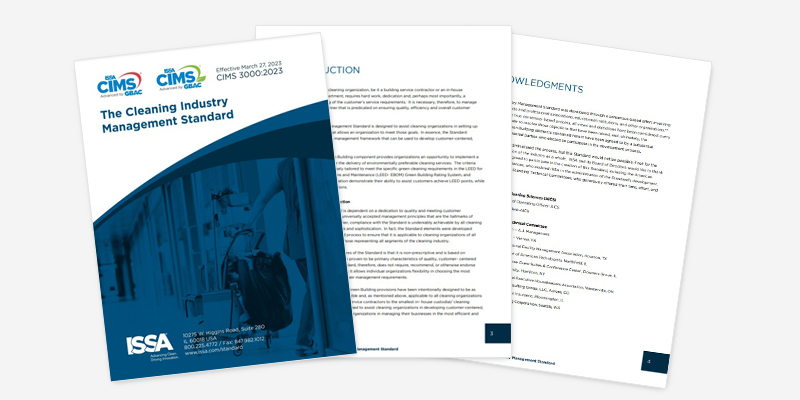
Choosing the right carpet cleaning training program is a crucial step for anyone looking to build expertise and credibility in the cleaning industry. With so many options available, it can be challenging to know which program will best suit your needs. Whether you’re starting your career or looking to advance your skills, understanding what to look for in a carpet cleaning training program can make all the difference. For more on industry standards, visit our Cleaning Industry Management Standard page.
Why Carpet Cleaning Training Is Important
Professional carpet cleaning training goes beyond learning basic cleaning techniques. It equips you with the knowledge and skills to handle various carpet types, tackle tough stains, and use cleaning equipment safely and effectively. Formal training also helps you stay updated on industry best practices, safety protocols, and environmental guidelines, which are essential for delivering high-quality results and maintaining client trust.
A good training program can:
- Improve cleaning outcomes and prolong carpet life
- Enhance safety for technicians and clients
- Increase job opportunities and earning potential
- Build customer confidence in your services

Key Factors to Consider When Choosing a Carpet Cleaning Training Program
Not all carpet cleaning training programs are created equal. Here are some important factors to keep in mind:
Accreditation and Industry Recognition
Look for programs accredited by respected industry organizations, such as the Cleaning Management Institute (CMI) or the Institute of Inspection, Cleaning and Restoration Certification (IICRC). Accredited programs ensure that you’re learning up-to-date, standardized methods recognized throughout the industry.
Curriculum and Course Content
A comprehensive curriculum should cover a range of topics, including:
- Carpet fiber identification
- Cleaning methods such as hot water extraction, dry chemical, and encapsulation
- Stain and spot removal
- Equipment operation and maintenance
- Safety protocols and environmental considerations
Instructor Qualifications
Experienced instructors with industry certifications can provide valuable insights and practical tips that go beyond textbooks. Their expertise helps bridge the gap between theory and real-world application.
Hands-On Training Opportunities
Programs that offer practical, hands-on training sessions allow you to practice techniques and gain confidence before working with clients. This is especially important for mastering equipment and stain removal methods.
Flexibility and Learning Format
Consider whether you prefer in-person classes, online modules, or a hybrid approach. Some programs offer self-paced learning, while others follow a set schedule. Choose the format that fits your lifestyle and learning preferences.
Cost and Value
Training program costs can vary widely, typically ranging from $200 to $1,000. While price is important, focus on the value you receive—such as course materials, exam fees, and post-training support.
Comparing Different Types of Carpet Cleaning Training
There are several types of carpet cleaning training programs to consider, and each offers unique benefits. Certification courses, such as the IICRC Carpet Cleaning Technician (CCT), are comprehensive and often required for certain jobs. These programs provide in-depth knowledge and recognized credentials, though they may require a greater time and financial commitment.
Short courses or workshops focus on specific topics, like stain removal or green cleaning methods. These are ideal for quick skill-building but may not provide the same level of industry recognition as certification programs.
Online training is a flexible option, allowing you to learn at your own pace from anywhere. While online programs are often more affordable and convenient, they may offer limited hands-on practice. In-person training, on the other hand, provides direct interaction with instructors and valuable hands-on experience, but may require travel and a set schedule.
Specialized training is also available for areas like stain removal, eco-friendly cleaning, or commercial carpet care. Consider your career goals and preferred learning style when choosing a program.
Questions to Ask Before Enrolling
Before committing to a carpet cleaning training program, ask these questions:
- What certifications will I earn upon completion?
- Is the program recognized by major industry associations?
- What topics and skills are covered in the curriculum?
- Are there opportunities for hands-on practice?
- Are there reviews or testimonials from past students?
- What kind of support is available after training?
For a step-by-step guide to getting certified, check out How To Get A Carpet Cleaning Certification.
Additional Resources for Carpet Cleaning Professionals
If you’re considering a career in carpet cleaning or looking to expand your services, it’s helpful to explore additional resources:
- FAQ’s On A Carpet Cleaning Certification: Everything You Need to Know answers common questions about certification and training.
- The Cleaning Industry Management Standard page provides insight into industry benchmarks and best practices.
- For safety guidelines, refer to the OSHA Cleaning Industry Guidelines.
Conclusion
Selecting the right carpet cleaning training program is a key investment in your professional development. By focusing on accreditation, comprehensive content, experienced instructors, and hands-on learning, you’ll set yourself up for success in the cleaning industry. Take time to research and compare options, ask the right questions, and choose a program that aligns with your career goals.
With the right training, you’ll be prepared to deliver outstanding results, earn industry-recognized credentials, and build a reputation as a trusted carpet cleaning professional.