Duct Cleaning Training: Master HVAC & Air Duct Cleaning Skills
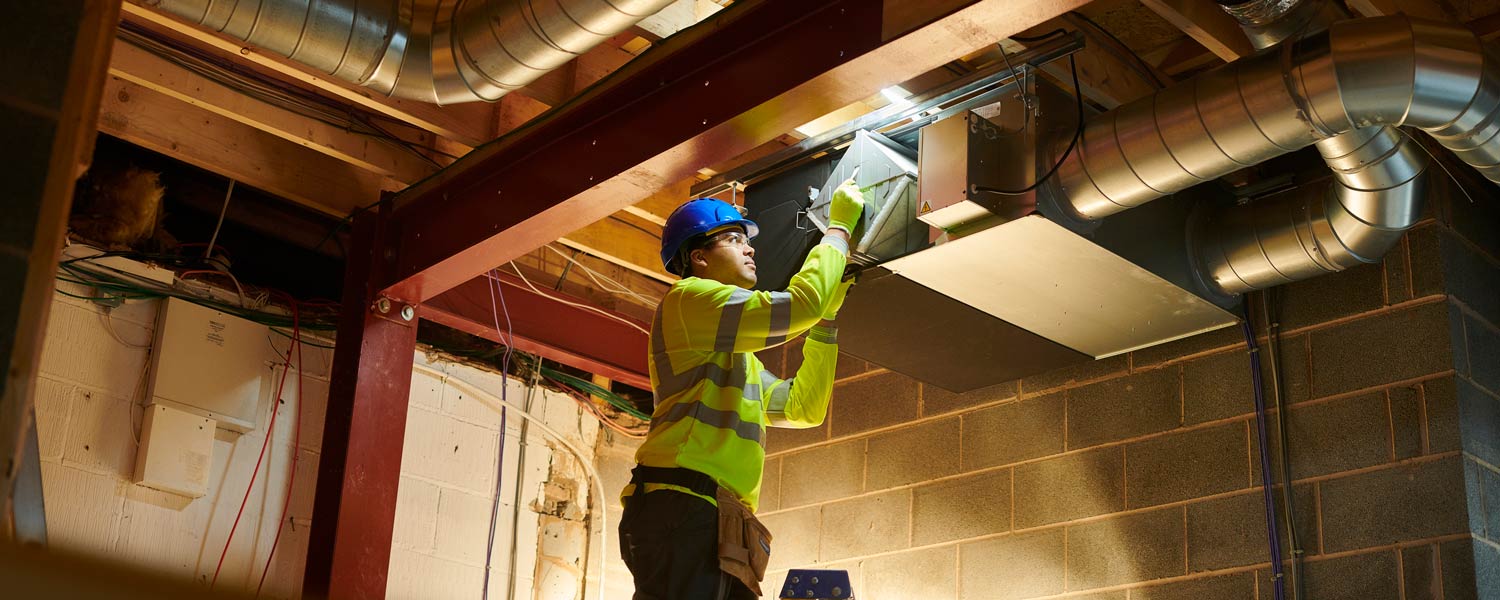
Maintaining clean air ducts is essential for healthy indoor environments, energy efficiency, and extending the lifespan of HVAC systems. Proper duct cleaning training equips facility managers, janitorial staff, and cleaning professionals with the skills they need to deliver safe, thorough, and compliant duct cleaning services. Whether you’re new to HVAC maintenance or seeking to enhance your team’s capabilities, investing in professional training ensures your facility meets industry standards and improves air quality for occupants.
For those interested in comprehensive professional education, ISSA’s Cleaning Management Institute® offers courses and certifications tailored to cleaning industry professionals.
Why Duct Cleaning Training Matters
Air ducts accumulate dust, allergens, mold, and other contaminants over time. When left untreated, these particles circulate throughout your building, affecting both indoor air quality and system performance. Proper duct cleaning training helps professionals:
- Identify contamination sources such as mold, debris, or microbial growth
- Understand HVAC system design to access hard-to-reach areas safely
- Apply best practices and safety procedures to protect workers and occupants
- Use specialized equipment like high-efficiency vacuums, rotary brushes, and air whips
- Ensure compliance with industry standards, including NADCA guidelines
According to the National Air Duct Cleaners Association (NADCA), trained technicians can remove up to 90% of accumulated contaminants, improving system efficiency and overall indoor air quality.
Core Components of Duct Cleaning Training
A structured duct cleaning training program covers several critical areas:
-
Safety Procedures
Working inside air ducts and HVAC systems can be hazardous. Training emphasizes personal protective equipment (PPE), fall protection, and safe handling of chemicals and cleaning agents.
-
Equipment Operation
Technicians learn how to properly operate vacuums, rotary brushes, and compressed air systems. Correct usage prevents damage to the HVAC system and ensures effective cleaning.
-
Inspection & Assessment
Training includes methods to assess the level of contamination, identify potential system issues, and document findings. This ensures targeted cleaning and supports ongoing maintenance planning.
-
Cleaning Techniques
Participants practice techniques such as source removal, HEPA-filtered vacuuming, and air washing. They also learn how to clean ducts without spreading dust or causing cross-contamination.
-
Documentation & Reporting
Proper recordkeeping is essential for compliance, customer assurance, and warranty purposes. Trainees learn how to document before-and-after conditions and provide detailed reports.
Benefits of Professional Duct Cleaning Training
Investing in training has tangible benefits for both facility operators and occupants:
- Improved Indoor Air Quality: Reduced allergens and dust improve health outcomes for building occupants.
- Energy Efficiency: Clean ducts improve HVAC efficiency, lowering energy costs.
- Extended Equipment Lifespan: Proper maintenance reduces wear and tear on HVAC systems.
- Professional Credibility: Trained staff provide high-quality service and comply with industry standards.
Professionals seeking certification can enhance their resumes and attract clients or employers who prioritize facility cleanliness and air quality.
How to Choose the Right Training Program
When selecting a duct cleaning training program, consider:
- Accreditation & Certification: Choose programs recognized by industry authorities.
- Hands-On Experience: Practical training ensures real-world skill development.
- Curriculum Coverage: Make sure the program covers safety, equipment, cleaning techniques, and reporting.
- Instructor Expertise: Experienced instructors provide guidance and industry insights.
ISSA’s Cleaning Management Institute® offers accredited courses designed to give professionals the knowledge and hands-on experience required for HVAC and duct cleaning success.
Additional Resources for Professionals
To further improve your duct cleaning expertise, consider exploring these resources:
- OSHA Safety Guidelines – Occupational safety standards for working in HVAC environments.
- NADCA Standards – Technical standards for air duct cleaning, inspection, and maintenance.
- Cleaning Management Institute Courses – Certification programs for cleaning professionals.
Combining training with credible resources ensures your team stays current with best practices and evolving regulations.
Conclusion
Professional duct cleaning training is an investment in both safety and quality. Well-trained staff can reduce airborne contaminants, improve HVAC performance, and protect the health of building occupants. Whether you’re a facility manager, janitorial leader, or cleaning professional, completing a recognized training program sets you apart as a skilled, reliable expert in the field.
For comprehensive courses and certifications, visit ISSA’s Cleaning Management Institute® and take the first step toward elevating your duct cleaning skills today.