Period Poverty in the US: How Organizations Can Take Action Today

Period poverty in the US is a growing public health crisis that touches every corner of the country from underfunded rural schools to urban workplaces and homeless shelters. It is the inability to access menstrual products, proper hygiene facilities, or accurate health education due to financial hardship or systemic barriers. While the issue may seem invisible, its consequences are felt every single day by students, employees, and community members alike. Organizations of all sizes have a powerful opportunity to change that. To see how the facility solutions industry is already stepping up, explore the movement to address period poverty in the US and find out how you can get involved.
The Scope of Period Poverty in the US
The scale of this issue is larger than many realize. According to PERIOD.org, one in five students in the United States has struggled to afford menstrual products. Many have missed school as a direct result because they lacked access to something as basic as a pad or tampon.
The impact does not stop at the classroom door. Working adults face the same barriers. People experiencing homelessness, those living paycheck to paycheck, and individuals in underserved communities regularly make difficult choices between menstrual products and other necessities like food or transportation.
Beyond the financial strain, there is a significant dignity cost. When people cannot manage their menstrual health discreetly and comfortably, it affects their confidence, mental health, and ability to fully participate in daily life. Period poverty in the US is not just a hygiene issue, it is an equity issue.
Why Organizations Are Key to the Solution
Government policy and nonprofit advocacy are essential, but they are only part of the answer. Organizations are positioned to create immediate, tangible change.
Here is why:
• Reach: Organizations interact with large numbers of people daily through their facilities, programs, and supply chains.
• Resources: Even modest procurement budgets can fund free menstrual product dispensers or donation drives.
• Influence: When organizations take a visible stand on period poverty in the US, they signal to employees, clients, and communities that dignity and equity are core values.
The facility management and cleaning industry plays a frontline role. Facility managers make decisions every day about what goes into restrooms and those decisions have the power to either perpetuate or help solve period poverty.
Practical Ways Organizations Can Take Action
Taking meaningful action does not require a large budget or a new department. Here are five steps any organization can begin today:
1. Provide Free Menstrual Products in Restrooms
Swap out coin-operated dispensers for free-access units in all gender-inclusive and women’s restrooms. Stock them consistently, just as you would soap or paper towels. This single change can make an immediate difference for employees, visitors, and students.
2. Launch an Internal Donation Drive
Organize a menstrual product donation drive within your organization and partner with a local shelter, food bank, or community organization to distribute products where they are needed most. These drives also raise awareness and build a culture of care within your team.
3. Review Your Procurement Practices
When purchasing menstrual products for your facilities, look for sustainable, cost-effective options available through your existing supply chain. Buying in bulk
reduces costs significantly, making the investment even more accessible for organizations of all sizes.
4. Train and Educate Your Team
Normalizing conversations around menstrual health in the workplace is just as important as stocking products. Brief awareness training for facilities staff and HR teams can help ensure products are consistently available and that the issue is treated with professionalism and respect.
5. Advocate for Systemic Change
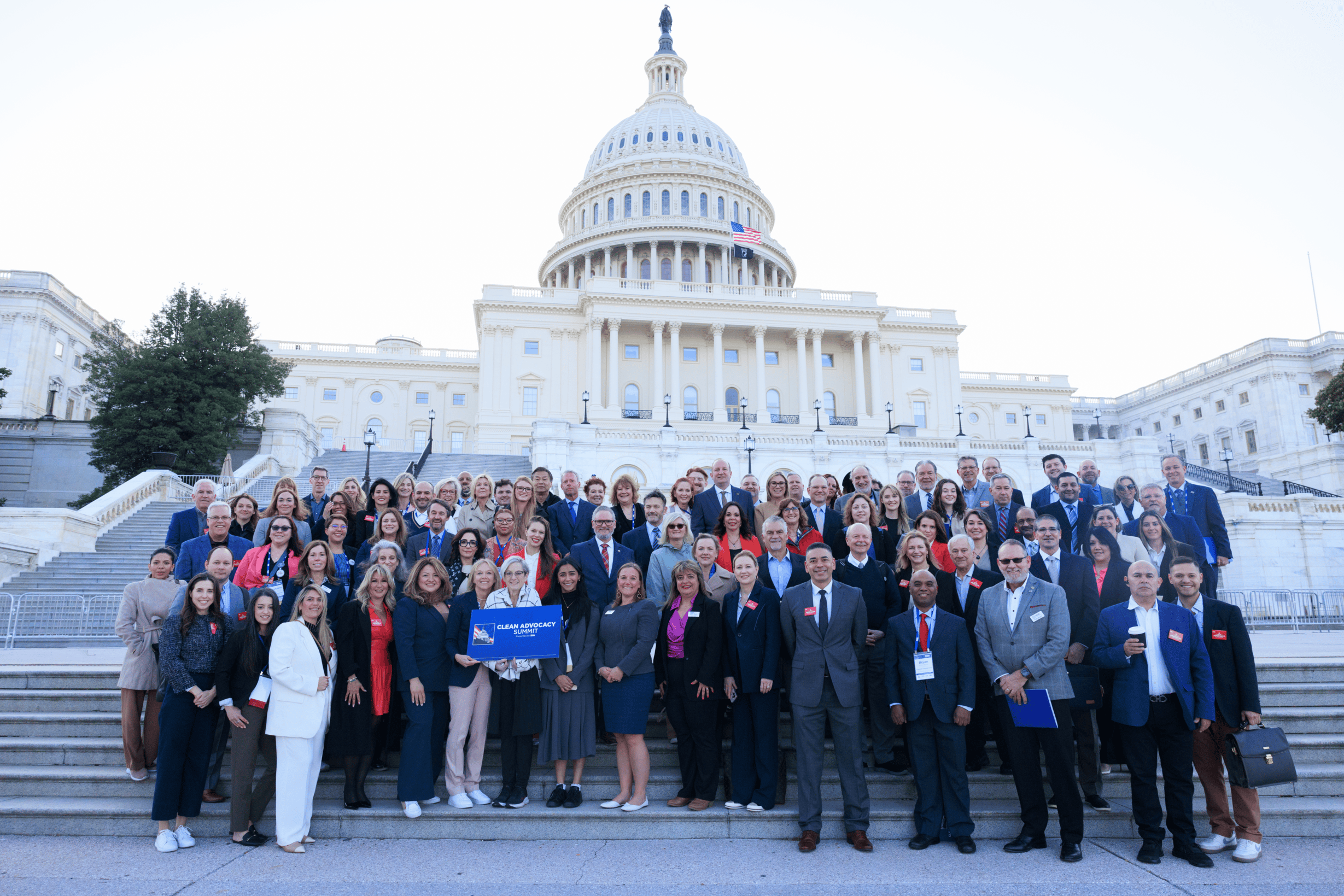
Organizational voices carry weight in policy conversations. Encourage your leadership team to support local and national legislation requiring free menstrual products in public buildings and schools. You can take direct action today by visiting the ISSA Advocacy Action Center, where you can engage with policymakers and support hygiene equity initiatives at the legislative level.
The Business Case for Acting Now
Addressing period poverty in the US is not just the right thing to do, it is smart business. Organizations that demonstrate a genuine commitment to employee well-being and social equity consistently see stronger engagement, improved retention, and enhanced public reputation. According to Days for Girls International, when people have reliable access to menstrual health resources, they participate more fully in economic and civic life. That benefits not just individuals, but the organizations and communities around them.
The investment required to stock a restroom dispenser is minimal. The return in employee trust, community goodwill, and genuine impact is significant.
Every Organization Can Make a Difference
Period poverty in the US will not be solved overnight, but it can be meaningfully reduced through consistent, collective action. Facility managers, HR professionals, procurement teams, and organizational leaders all have a role to play.
Start with your restrooms. Start with a conversation. Start with a policy. Whatever your first step looks like, take it today because for the millions of people affected by period poverty in the US, access to basic menstrual hygiene is not a luxury. It is a necessit