Power Clean Standards: What They Are & Why Facilities Need Them
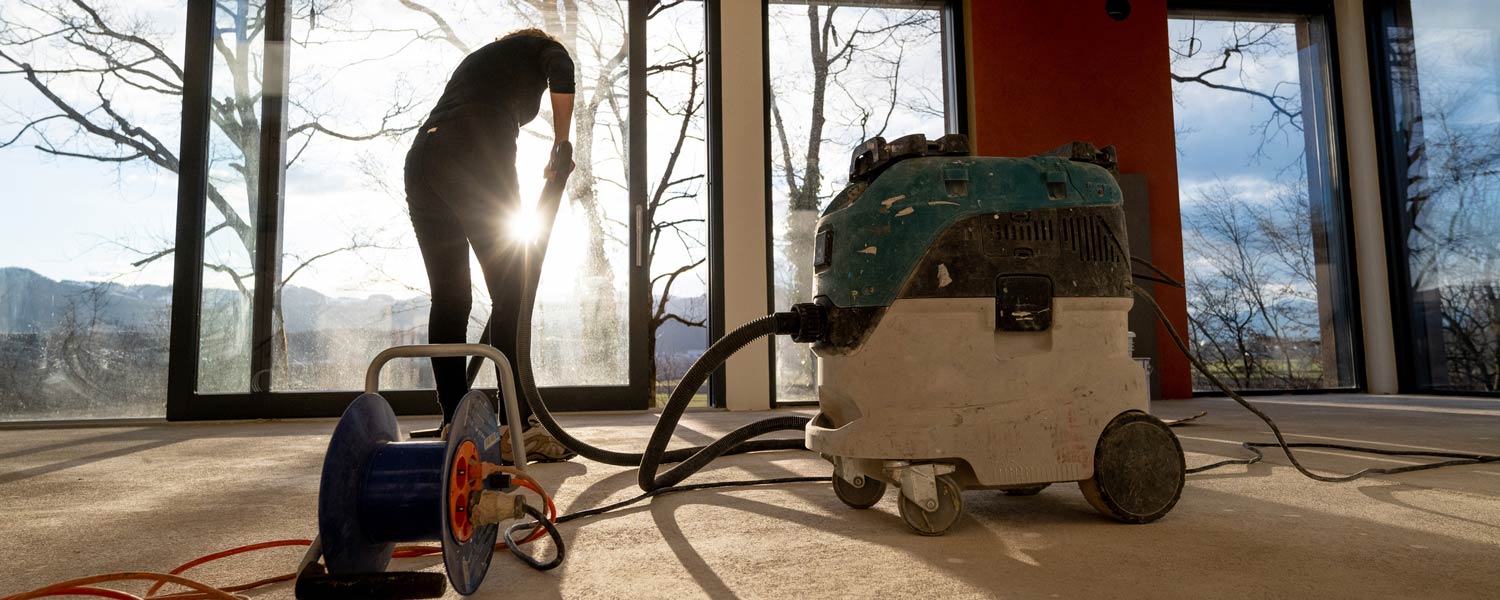
Power clean standards play a critical role in modern facility care. These guidelines ensure cleaning tasks are performed safely, consistently, and effectively—leading to healthier buildings, improved productivity, and better occupant experiences. Organizations looking to strengthen their knowledge, training, or skill development in cleaning and maintenance practices can find additional resources at ISSA.com/education.
Whether you manage an office, school, healthcare environment, or industrial space, well-defined power clean standards help guarantee that every cleaning process is thorough and aligns with industry-recognized best practices.
What Are Power Clean Standards?
Power clean standards refer to structured cleaning expectations that define:
- How cleaning tasks should be performed
- Which tools, equipment, and chemicals should be used
- How often specific tasks need to occur
- The correct sequence for cleaning to ensure safety and efficiency
These standards help eliminate guesswork by providing a clear, repeatable process for staff members. They also reduce the risk of cross-contamination, equipment misuse, and inconsistent cleaning results.
In simple terms: power clean standards turn good cleaning habits into reliable, measurable systems.

Why Power Clean Standards Are Essential
-
Improve Health & Hygiene Across Facilities
Consistent cleaning reduces germs, allergens, and surface contamination. Power clean standards outline the proper use of:
- EPA-registered disinfectants
- Correct dilution ratios
- Essential dwell times
- Safe equipment handling
Standardization lowers the chance of missed steps—supporting a healthier environment for building occupants.
-
Increase Productivity & Operational Efficiency
Clear instructions save time. When cleaning teams know exactly what to do, there is:
- Less training downtime
- Faster task completion
- Reduced backtracking or duplicated work
- Better use of cleaning equipment
Efficiency increases, costs decrease, and facilities benefit from predictable performance.
-
Support Facility Management & Accountability
Power clean standards allow supervisors to:
- Measure performance
- Provide consistent feedback
- Identify gaps quickly
- Maintain documentation for quality assurance
This leads to smoother operations and fewer service disruptions.
-
Reduce Workplace Safety Risks
Proper cleaning techniques help avoid:
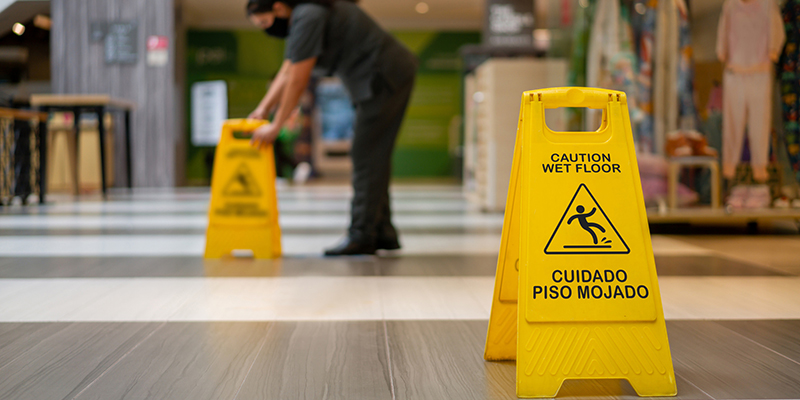
- Slip-and-fall hazards
- Chemical exposure risks
- Equipment misuse
- Improper waste handling
With a clear system in place, staff members stay safer and more confident in their roles.
Key Elements of Effective Power Clean Standards
-
Clear Procedures
Each task should be broken down into simple, step-by-step instructions.
Examples:
- “Dust high surfaces first to prevent debris from falling onto clean areas.”
- “Use color-coded microfiber cloths to avoid cross-contamination.”
Clarity equals consistency.
-
Defined Cleaning Frequencies
Facilities should specify how often tasks occur:
- Daily (e.g., high-touch surface disinfection)
- Weekly (e.g., deep vacuuming under furniture)
- Monthly/quarterly (e.g., vents, upholstery, equipment deep cleans)
This ensures no task is overlooked.
-
Proper Use of Tools & Equipment
Power clean standards should outline:
- Correct mop and vacuum types
- Approved cleaning chemicals
- PPE requirements
- How to maintain equipment properly
The right tools lead to better results.
-
Safety Protocols
Standards should incorporate basic OSHA-aligned safety practices such as:
- Chemical handling guidelines
- Proper ventilation
- Safe lifting techniques
- Appropriate protective gear
For reference, see official OSHA housekeeping recommendations here:
https://www.osha.gov/housekeeping
-
Quality Control Measures
Regular inspections or checklists help ensure the work meets expectations.
This may include:
- Routine visual inspections
- ATP testing (where relevant)
- Supervisor sign-offs
Consistency builds trust and reliability.
How to Implement Power Clean Standards in Your Workplace
-
Start with a Facility Assessment
Evaluate your building’s:
- Traffic flow
- High-touch areas
- Risk zones
- Cleaning priorities
This helps determine which tasks require the most attention.
-
Document All Cleaning Processes
Create standard operating procedures (SOPs) for:
- Floor care
- Disinfection
- Restroom cleaning
- Trash removal
- Breakroom maintenance
- Specialty equipment cleaning
The document should be simple, visual, and easy to follow.
-
Train & Retrain Your Teams
Even the strongest standards fail without proper training. Continuing education helps reinforce:
- Proper technique
- Correct product use
- Updated safety guidelines
For ongoing development opportunities, visit:
ISSA.com/education
-
Use Visual Supports
Charts, reminder cards, and posters can keep information top of mind.
This is especially helpful for:
- New hires
- Multilingual teams
- High-traffic areas
-
Evaluate & Improve
Standards should evolve. Review them regularly to adjust for:
- New technology
- Updated safety guidelines
- Seasonal needs
- Changes in building use
Continuous improvement keeps facilities healthy and efficient.
Benefits of Strong Power Clean Standards
-
Fewer workplace illnesses
-
Higher productivity
-
Better employee satisfaction
-
Improved building appearance
-
Less equipment downtime
-
Clearer expectations for staff
Strong standards lead to a well-run facility and a more confident workforce.
Additional References
- OSHA Workplace Housekeeping Guidelines: https://www.osha.gov/housekeeping
- CDC Cleaning & Disinfection Recommendations: https://www.cdc.gov/infectioncontrol/guidelines/envir