Rethinking Disinfection
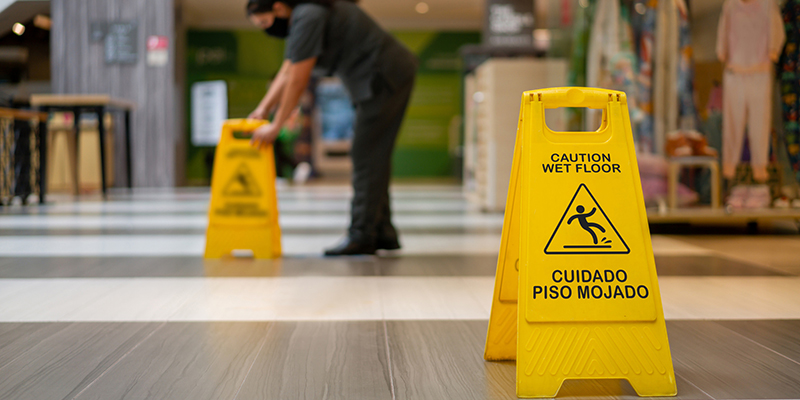
Cleanliness has always been fundamental to how people experience a physical space. No matter the industry, the visual and sensory cues of a well-maintained facility shape perceptions of professionalism and operational excellence. Yet, in recent years, the conversation around environmental hygiene has matured beyond appearance alone. Today, leading organizations are thinking more strategically about cleaning and disinfection as part of overall facility performance.
Traditional cleaning methods remain essential, but many facilities are recognizing that manual processes alone cannot fully address the demands of modern, high-traffic environments. Surfaces vary widely, rooms differ in layout, and usage and human factors inevitably introduce variability. As a result, administrators and facility leaders are increasingly adopting technologies that enhance consistency, efficiency, and measurable outcomes.
Automated disinfection technology
One of the most notable shifts has been the growing use of disinfection systems, including UVC-based solutions. Unlike manual approaches that depend on individual techniques and time constraints, automated technologies introduce a layer of standardization. They are designed to deliver repeatable, validated performance across spaces, helping facilities support their broader environmental objectives.
But the impact of these systems extends beyond the technical function of disinfection. Facilities that incorporate advanced environmental technologies often report operational benefits across departments. Cleaning and disinfection teams gain tools that support workflow efficiency. Leadership teams gain confidence in process reliability. Staff members gain reassurance from clearly visible investments in the workplace environment.
Importantly, environmental strategies are also becoming part of how organizations communicate their values. A visibly modern approach to cleaning and disinfection signals attention to detail, commitment to quality, and a forward-looking operational mindset. In competitive labor markets and consumer-driven industries, these factors can influence recruitment, retention, and brand perception.
Proactive investment in facility disinfection
The evolution of facility disinfection also reflects a broader trend in organizational decision-making: moving from reactive practices toward proactive infrastructure investment. Rather than viewing disinfection solely as a routine task, many institutions now see it as a component of long-term facility enhancement—much like air quality systems, energy management tools, or smart building technologies.
For facilities evaluating their environmental programs, the central question is no longer simply “Are we cleaning?” but “How resilient, consistent, and future-ready are our processes?” This perspective encourages leaders to consider scalability, standardization, and how environmental systems integrate with operational priorities.
As facility expectations continue to rise, disinfection strategies will likely follow a familiar trajectory seen across other industries—where technology complements human expertise, reduces variability, and elevates overall performance. Clean environments are not just maintained; they are engineered through deliberate systems and smart design choices.
In that context, the facilities that stand out will not necessarily be those that clean more often, but those that clean more intelligently.