The Cleaning Center of Excellence

A Cleaning Center of Excellence focuses on transforming cleaning from a set of tasks into an evidence-based system that protects health, reduces risk, and delivers accountable performance across the built environment.
Buildings don’t clean themselves. They perform or fail based on human decisions. Every product selected. Every process specified. Every budget approved. These decisions shape health, safety, sustainability, and trust in the built environment.
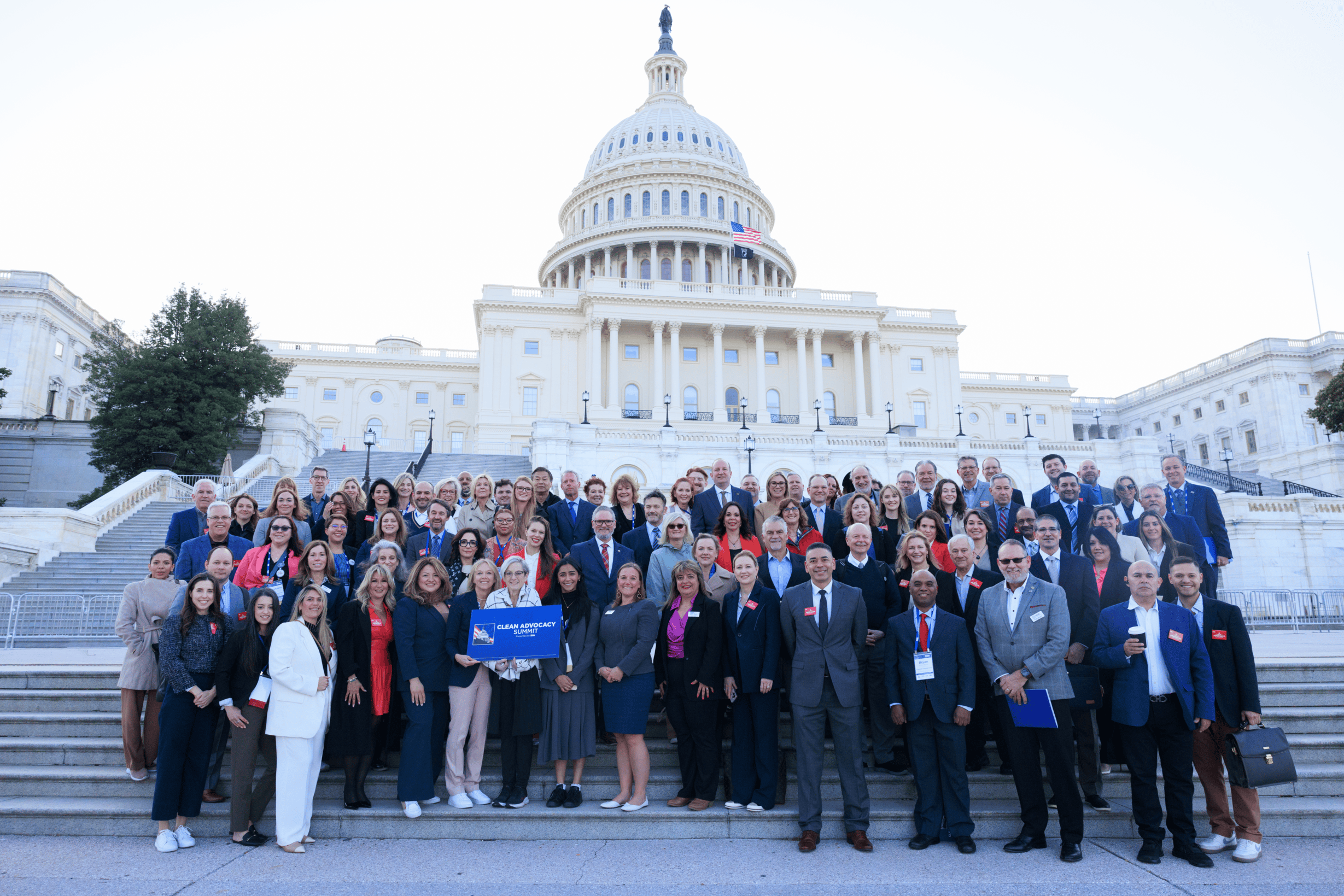
That’s why manufacturers, distributors, building service contractors, facility managers, and solution providers are coming together through the Making Safer Choices Community of Practice—led by ISSA, Penn State College of Medicine, and the City University of New York (CUNY) School of Medicine.
Why cleaning excellence matters in today’s built environment
Cleaning has long been treated as a routine operational task, something necessary but rarely strategic. Yet evidence from health, building science, and workforce research increasingly shows that how buildings are cleaned has direct implications for human health, safety, organizational resilience, and performance. Poorly designed cleaning practices can contribute to human chemical exposures, infectious disease transmission, indoor air quality problems, and worker injury or burnout.
As buildings become more complex and expectations for health, sustainability, and transparency increase, organizations are under pressure to demonstrate that cleaning decisions are intentional, evidence-based, and accountable. This shift shows that cleaning is not simply about appearance. It is about exposure control, risk management, and enabling safe use of the built environment. A Cleaning Center of Excellence provides a structured approach to making that shift.
What is a Cleaning Center of Excellence?
A Cleaning Center of Excellence uses a variety of approaches, such as implementation science, intervention trials, and sentinel occupational cohorts to support well-designed, well-managed cleaning systems that help protect occupants, safeguard the health and well-being of essential workers, and reduce operational and reputational risk. Rather than leaving cleaning practices to individual sites, vendors, or legacy habits, a Center of Excellence generates empirical evidence to inform safety standards, delivers targeted education and training to ensure consistent methods, and conducts evaluations to ensure adherence to health and safety benchmarks.
A Center of Excellence applied to cleaning means strengthening decision-making for products, processes, workforce practices, and performance metrics, with clearly defined objectives such as health protection, regulatory compliance, and sustainability. It helps ensure that how we clean reflects current knowledge and priorities.
Core components of a Cleaning Center of Excellence
Governance and leadership: Effective Centers of Excellence are anchored in governance. Cleaning decisions affect health, safety, procurement, facilities, sustainability, and risk management, so governance must reflect that breadth. Without appropriate governance, cleaning initiatives risk becoming reactive and cost-driven, with fragmented priorities, inconsistent evaluations, and diminished capacity to provide independent, science-based guidance to industry stakeholders.
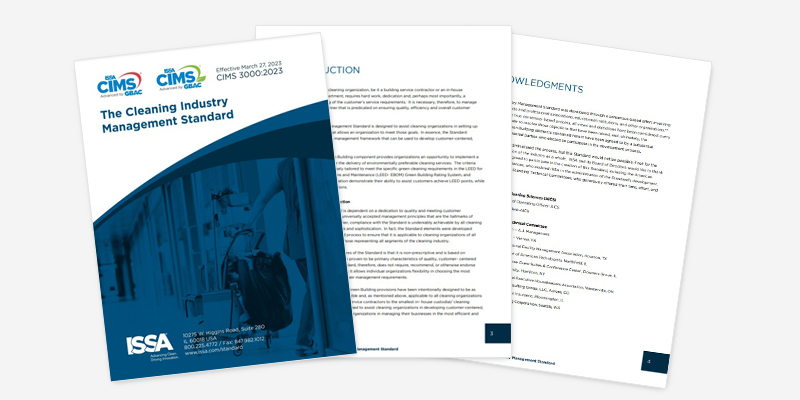
Standards, protocols, and consistency: The cleaning industry has abundant resources to get the job done, yet struggles with inconsistent service quality and low, sometimes diminishing, standards.
The Center of Excellence functions as the evidence-generation and methods hub for a broader community of practice, translating practice-informed questions into rigorous research and evaluation tools. It would interact with the broader Cleaning Community of Practice to provide real-world testing feedback and peer learning, share real-world best practices, and accelerate transformation across the entire cleaning and facility solutions ecosystem. This includes cleaning frequencies, methods, chemical selection criteria, equipment use, and response protocols for routine operations and incidents.
Workforce training and competency: Research on the cleaning workforce shows that outcomes depend heavily on training, workload design, and worker protection. Cleaning professionals are often exposed to chemical, biological, and physical hazards. Yet they are frequently excluded from decision-making and professional development.
A Cleaning Center of Excellence formalizes workforce competency by defining required skills, training pathways, and supervision models. This includes onboarding, refresher training, and mechanisms for incorporating new evidence or technologies. Importantly, it also supports worker health through safer chemical choices, ergonomic practices, and realistic productivity expectations.
Data, metrics, and verification: What gets measured gets managed. A Cleaning Center of Excellence helps establish consensus on meaningful metrics that go beyond surface appearance or task completion. These may include process adherence, exposure-reduction indicators, workforce safety metrics, and audit results.
Verification is essential. Cleaning standards without monitoring quickly erode. A Cleaning Center of Excellence collaborates with the industry value chain to help define how cleaning effectiveness is assessed, how data is reviewed, and how corrective actions are taken. While no single metric captures “clean,” a combination of process and outcome measures allows organizations to demonstrate control rather than rely on assumptions.
Health, safety, and sustainability integration: Cleaning decisions sit at the intersection of health protection and environmental responsibility. A Cleaning Center of Excellence helps integrate health and sustainability objectives rather than treating them as competing priorities. This includes evaluating chemical hazards, indoor environmental impacts, waste generation, and worker exposures together. Integration helps avoid unintended consequences, such as reducing environmental harm while increasing occupational risk, or vice versa.
Why organizations should support one now
Several forces make this the right moment to establish a Cleaning Center of Excellence. Expectations for healthy buildings have risen sharply following global infectious disease events. Regulators, insurers, and occupants increasingly expect documented practices rather than assurances. Workforce shortages and turnover highlight the cost of neglecting training and protection. At the same time, organizations are managing larger, more diverse building portfolios with limited resources.
Cleaning decisions are often inconsistent, reactive, and vulnerable to misinformation. A Cleaning Center of Excellence helps the industry translate science into practical guidance. It leverages expertise and the power of partnerships with universities, associations, and companies to co-create tools that help people make informed, defensible cleaning decisions.
A Cleaning Center of Excellence creates value across the entire cleaning ecosystem.
Practical first steps to get started
In creating a Cleaning Center of Excellence, practical first steps include identifying key partnerships, resource mobilization, mapping existing cleaning practices, and clarifying priority risks. The Making Safer Choices program has established an industry-university-trade association Community of Practice that has begun identifying how decisions are made and is co-creating tools to help standardize chemical selection criteria, document core protocols, and establish cross-functional steering groups to create solutions for cleaning at events such as the FIFA World Cup 2026 and the Los Angeles Olympics 2028.
Cleaning is no longer just an operational necessity; it is a determinant of health, safety, and trust in the built environment. By combining governance, standards, workforce development, data, and integrated health and sustainability principles, organizations can advance cleaning to evidence-based practices. The Cleaning Center of Excellence is a collaborative forum where industry leaders:
- Share real-world best practices.
- Generate science to be translated into practical guidance.
- Co-create tools that help people make informed, defensible cleaning decisions.
- Accelerate transformation across the entire cleaning and facility solutions ecosystem.
To become part of the Community and help support a Cleaning Center of Excellence, complete the form on the Making Safer Choices website at issa.com/making-safer-choices.
| Who Benefits Across the Cleaning Value Chain? | |
| Value chain segment | Benefits from a Center of Excellence |
| Manufacturers | Provide real-world research and structured feedback loops tied to health, safety, and operational outcomes. |
| Distributors | Ensure a continuous supply of product lines and correct training on use. |
| Building service contractors (BSCs) | Deliver operational excellence. Align training programs, supervision, and quality assurance. |
| Facility managers | Establish cleaning strategies tied to risk assessments, compliance standards, and real-time performance dashboards. |
| Cleaning workers | Provide world-class adult education training. |
| Health, safety, and medical teams | Integrate environmental hygiene with infection-prevention protocols. |
| Technology and data providers | Deliver tools that measure cleanliness, adenosine triphosphate (ATP), indoor air quality (IAQ), humidity, CO₂, volatile organic compounds (VOCs), and air exchange. |
| Sustainability leaders | Align cleaning practices with operational decisions and sustainability commitments. |
| Public and private sector decision-makers | Reduced fragmentation across the cleaning value chain. Portfolio visibility into
performance and optimize resource allocation. |
| Building occupants | More consistent environmental quality and safer, more reliable indoor environments. |
| Standards bodies and trade associations | Provide frameworks, training, and verification programs that elevate trust and accountability. |