U.S. Battery: A century of Powering an Industry
In industries where productivity and reliability are essential, from cleaning operations to aerial work platforms, what happens behind the scenes often determines success. In the cleaning and facilities solutions industry, a recognized name that does this is U.S. Battery Manufacturing Company.
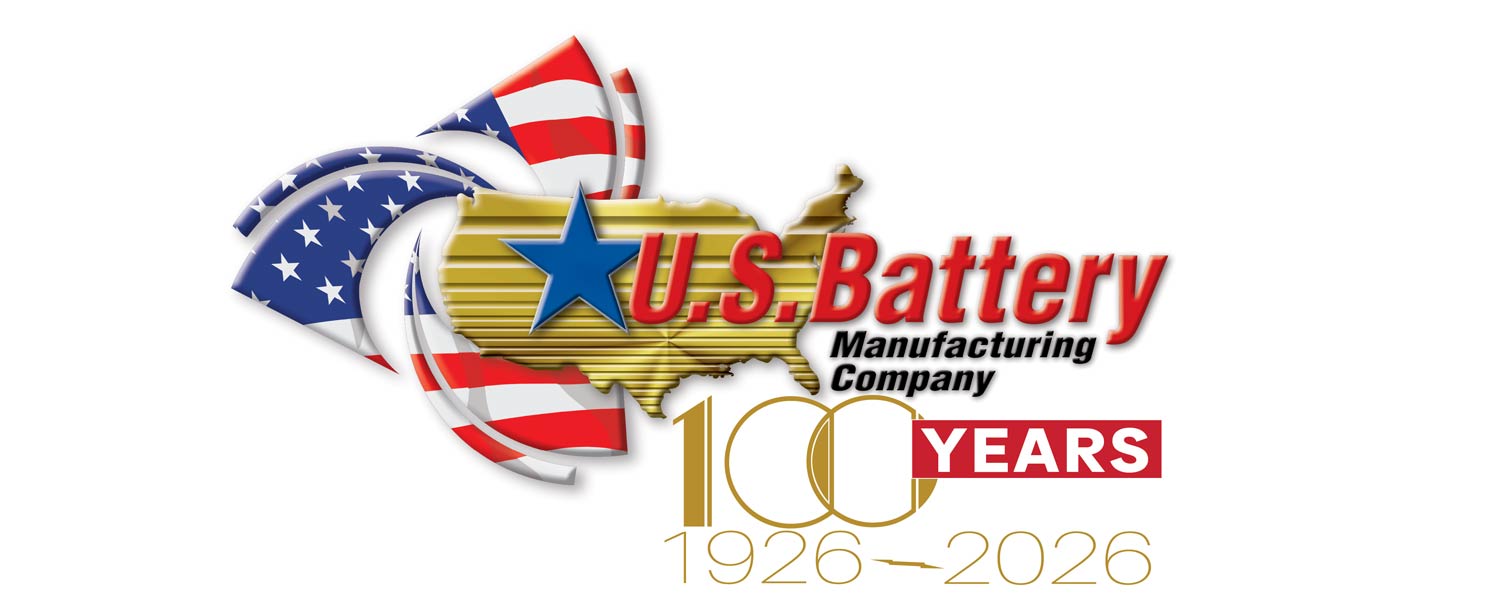
In 2026, the company will mark its 100th anniversary, demonstrating its endurance, innovation, and adaptability. The company’s legacy demonstrates adaptability, technical skill, and a strong commitment to customers.
From battery assemblers to a quality-driven manufacturer
U.S. Battery was founded in 1926 in San Diego, California. At that time, it was common for small companies to assemble batteries from parts bought on the open market. This created a lively business scene but also led to quality issues. Customers could not always rely on consistent performance because manufacturers often selected parts based solely on price.
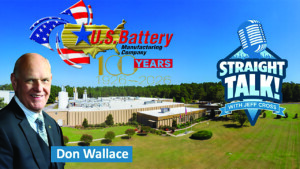
Don Wallace, the company’s chief operating officer, explained that the assembler model faded as industries grew and regulations became stricter. “From a customer perspective, you really never knew what you were getting,” he said. “As regulations have changed, those types of businesses have gone away.” This shift created opportunities for companies focused on quality and specialization, and U.S. Battery took advantage of them.
In 1972, John Anderson and his partner, Cliff Richards, acquired the company and merged it with their business, Battery Plates, in Signal Hill, California. Anderson specialized in deep-cycle batteries, which are designed to provide steady power over long periods, unlike regular car batteries that just start engines. Under his leadership, the company shifted from general battery production to deep-cycle technology, setting the stage for U.S. Battery’s future.
The late 20th century marked a significant expansion. By 1987, the company had built a factory in Evans, Georgia, strategically located near major manufacturers of golf carts and aerial work platforms. Two years later, in 1989, U.S. Battery consolidated its California operations in Corona and became the sole owner when Anderson bought out his partner. Corona remains the company’s headquarters to this day.
Expansion, integration, and manufacturing control
Growth continued into the 2000s. In 2000, the company built a second factory in Augusta, Georgia, just a few miles from Evans, to meet rising demand. Over the next decade, U.S. Battery added more buildings and land and installed oxide mills at both Georgia and Corona sites. These steps helped the company better control its production process, which is unusual in an industry where most companies outsource raw materials.
“We’re pretty self-contained at this point,” Wallace said about the company’s integration. Although some materials are still sourced externally, U.S. Battery’s ability to control quality throughout most of its manufacturing process gives it a strong advantage.
This centennial year is not just a marker of survival; it is a celebration of relevance and resilience. “This year, we’re celebrating our 100th year in business,” Wallace noted, “It’s been an awesome, awesome run. A great company to work for.” The company even unveiled a distinct logo to commemorate the milestone—a visual reminder of a century spent powering industries worldwide.
Balancing proven technologies with what’s next
Wallace pointed out that U.S. Battery’s story is still unfolding. The world of energy storage and power solutions is changing rapidly due to innovative technologies and market trends. Traditional flooded lead-acid batteries, which are U.S. Battery’s main product, are still used in many areas because they are affordable, reliable, and easy to recycle. In fact, lead-acid batteries are recycled at nearly 98%, which appeals to buyers who care about the environment. This differs from lithium batteries, which require special disposal.
New technologies are also appearing. Lithium batteries, for example, last longer and need less maintenance. U.S. Battery has responded by creating its own Essential Li® Lithium-ion Battery line, which are tested and certified under strict Underwriters Laboratories (UL) standards (UL 2271, UL 2580, UL 383, and IP67). Wallace said thorough testing is crucial, especially since the market is full of cheaper, uncertified products from overseas. He emphasized the importance of researching battery certifications and ensuring products are properly matched to their application.
The company’s approach reflects a broader philosophy: lead acid and lithium each have valid roles, and the future may lie in hybrid solutions that blend the strengths of both. Whether the next breakthrough is a derivative of existing technologies or something entirely new—such as wireless or induction charging—U.S. Battery is poised to adapt.
While technical evolution is a constant, Wallace’s perspective on growth encompasses more than chemistry and manufacturing. His personal journey into the battery industry began almost by happenstance. As a musician needing to pay bills, he took a job with a battery company “back east,” unaware that it would mark the start of a lifelong career. “Once you get into the battery industry,” he laughs, “it’s like this hole you can’t get out of.” With nearly five decades in the field and more than 30 years with U.S. Battery, Wallace’s experience reflects both a deep commitment to the sector and the interconnected nature of its professional community.
With Wallace leading operations, U.S. Battery has strengthened ties with original equipment manufacturers (OEMs), particularly in cleaning and facility solutions. The company first focused on golf carts, which have unique needs, but later identified opportunities in floor-cleaning equipment and aerial work platforms. In these markets, batteries are key to keeping equipment running and productivity high.
From manufacturer to trusted technical partner
Wallace said cleaning industry professionals tend to understand and take ownership of their equipment, making the sector a strong long-term fit for the company. This differs from other industries, where equipment is leased, and people may not pay as much attention to detail. Focusing on service, quality, and support has helped U.S. Battery to build long-term partnerships with several large OEMs.
Matching batteries to specific needs has also elevated U.S. Battery’s role from manufacturer to consultant. Modern sales often begin with engineering teams matching battery specs with chargers, controllers, and runtime expectations, a far cry from the straight price-and-quantity transactions of the past.
“We test at the factory before anything ships out,” Wallace explained. And the company doesn’t just sell products—it offers technical support, ensuring customers choose the right solutions, avoid premature replacements, and realize total lifecycle value.
When advising others in the industry, Wallace kept it simple: Just listen. Wallace said that listening to customers and understanding their real needs have been central to the company’s approach to sales and service. This approach has helped U.S. Battery to succeed for a century, keeping quality, integrity, and strong customer relationships at the center.
U.S. Battery Manufacturing Company began as a small assembler in San Diego in the 1920s and has grown into a fully integrated manufacturer with a global presence. As it enters its second century, the company continues to follow the same principles: striving for excellence, adapting to change, and respecting its customers and the industries it serves.
BONUS VIDEO CONTENT: