
ISSA Healthcare Insider Newsletter
Insights, resources, and opportunities shaping the future of healthcare environmental hygiene.
EVS Input Is Crucial in Preventing Healthcare-Associated Infections
August 21, 2026
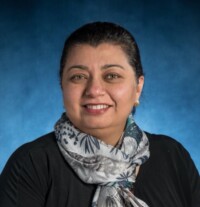 One out of every 31 patients admitted to a U.S. hospital experiences harm in the form of a healthcare-acquired infection (HAI), such as C. difficile or methicillin-resistant Staphylococcus aureus (MRSA), according to Centers for Disease Control and Prevention statistic shared by Dr. Omrana Pasha-Razzak, a hospitalist and medical professor at the City University of New York (CUNY) School of Medicine.
In a keynote talk opening the Healthcare Surfaces Summit this week at ISSA headquarters in Rosemont, Illinois, Pasha-Razzak advocated for the inclusion of environmental services (EVS) leaders in hospital conversations and decisions regarding the protection of patients from HAIs. She spoke of four barriers keeping EVS staff out of these conversations.
Status is a key barrier excluding EVS workers from daily huddles and other meetings that address patient information and safety. Pasha-Razzak explained that, historically, medical professionals have been very status conscious, with the input of white male physicians given the predominant voice.
Meanwhile, EVS workers, who spend the most time inside patient rooms, more than nurses and doctors, had not been given a voice, due to their perceived lower status as a workforce that is 70% female and 75% minority. “This is a workforce the literature has called forgotten and invisible,” Pasha-Razzak said.
Fortunately, she noted that EVS staff are getting a larger voice in daily huddles and other healthcare specialists beyond physicians are sharing their observations and suggestions.
Language is the second barrier working against EVS involvement in HAI solutions. Pasha-Razzak explained that English is the default language in clinical medical settings. However, 50% of EVS staff are foreign born, so English is not their predominant language.
Making accommodations for non-English speakers opens the discussions to hospital staff that don’t normally have a voice, Pasha-Razzak said.
The third barrier is gender. The 70% female makeup of hospital EVS workers not only limits their voice, it also threatens their health. A long-term study published in the American Journal of Respiratory and Critical Care Medicine found that women who worked as professional cleaners were at a higher risk of developing lung cancer from exposure to cleaning chemicals, Pasha-Razzak said, with risks similar to smoking 10 to 20 cigarettes daily. Exposure to these chemicals can also lead to breast cancer and miscarriages.
The system EVS staff members work within forms the fourth barrier. Pasha-Razzak explained that EVS works within the structures of the facilities system while other healthcare professionals in the HAI-prevention team work within the clinical system. This system silos staff who should be working together for the benefit of patient safety. It also complicates the working day for EVS staff, who must run between multiple huddles if they cover multiple hospital units.
“EVS belongs in the same room as clinical workers,” Pasha-Razzak said. “I am trying to pull EVS into the clinical system.”
Overcoming these four barriers and giving EVS a voice in patient safety decisions will not only benefit EVS staff, it will benefit the patients. Pasha-Razzak said she has noticed the difference when EVS leaders were included in patient care discussions.
“Better communication—not more staffing, not more money, not more people cleaning—drove a 25% drop in C. diff cases on two oncology units when the clinical team began sharing real-time feedback with environmental services workers,” she said.
About Dr. Omrana Pasha-Razzak, MD, MBBS, MSPH, DABIM
Omrana Pasha-Razzak, MD, MSPH, is a Medical Professor of Community Health and Social Medicine at the CUNY School of Medicine and an Adjunct Professor of Internal Medicine at Penn State College of Medicine. A physician–epidemiologist and former department chair, she has led global and U.S.-based research on maternal and women’s health, occupational and environmental health, and health equity, with a particular focus on women low resource settings, including women in the cleaning workforce.
Dr. Pasha‑Razzak is a co‑investigator on the EPA Safer Choice “Making Safer Choices” project with ISSA, Penn State, and CUNY, which aims to promote safer cleaning practices and reduce chemical exposure in disadvantaged communities and frontline facilities. She has been featured as a guest expert on ISSA’s Straight Talk and Jancast podcasts and profiled in ISSA publications, including ISSA Today, for her work linking indoor environments, cleaning practices, and health equity.
Over her career, Dr. Pasha‑Razzak has authored more than 130 peer‑reviewed publications and has helped lead multi‑country research collaborations to improve maternal and newborn outcomes in low‑ and middle‑income countries. She also serves as an Academic Editor for PLOS Global Public Health and on the editorial board of Reproductive Health.