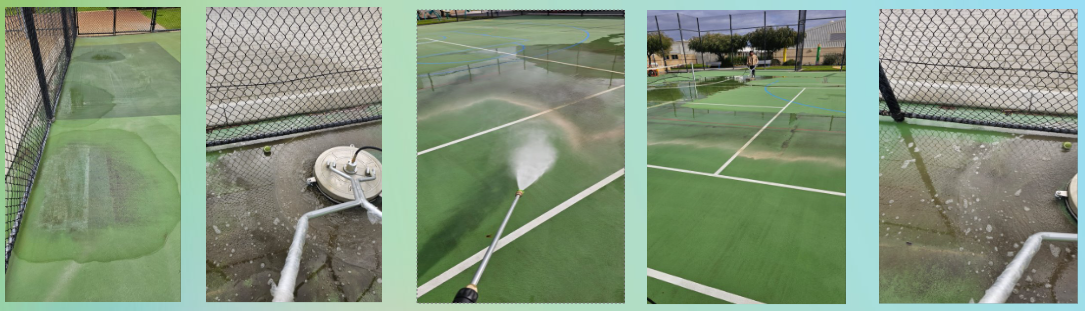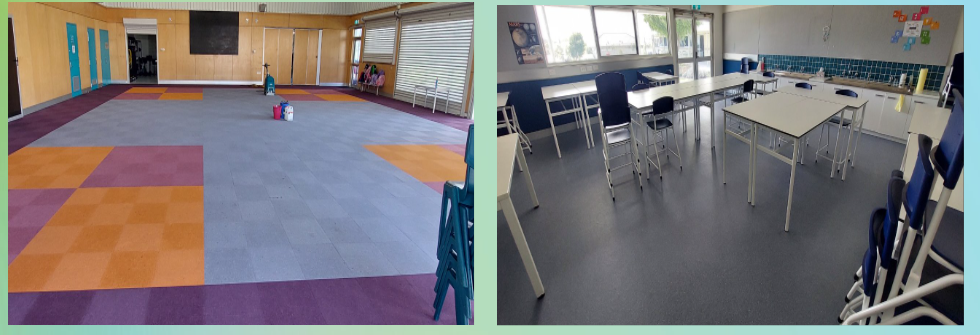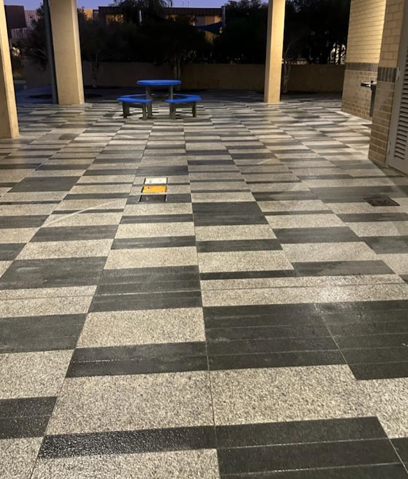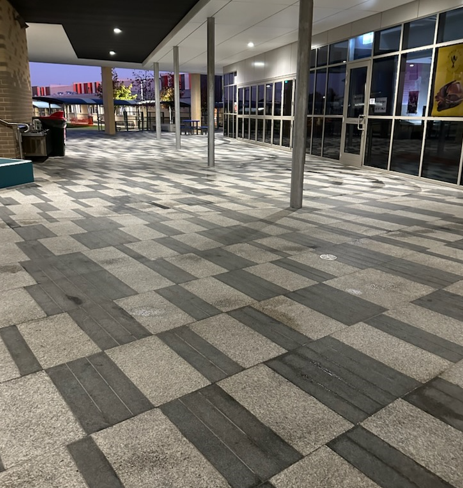
International Cleaning Week
Spotless Spaces Competition Finalist
PPP WA Schools
Downer Group (BSC)
Describe your Spotless Space
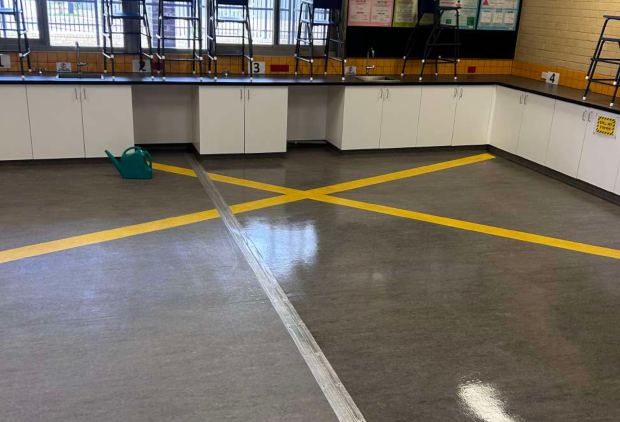
Our mission is to provide safe, healthy, and welcoming school environments by maintaining the highest standards of cleanliness, hygiene, and presentation. We are committed to delivering reliable, efficient, and consistent cleaning services that support learning, protect student wellbeing, and create pride in every school community.
Why This Mission Matters
- To Protect the Health and Safety of Students and Staff
A clean school reduces the spread of germs, illness, and allergens. This keeps students in class, teachers at work, and ensures the school operates smoothly. Good hygiene practices also prevent slips, contamination, and other safety risks. - To Support Learning and Student Outcomes
Students learn better in clean, well-maintained environments. A tidy classroom or toilet block reduces distractions, improves comfort, and makes students feel respected and cared for. - To Build Respect and Positive Behaviour
Clean spaces discourage vandalism and misuse. When facilities are maintained to a high standard, students are more likely to treat them respectfully, which helps create a positive school culture. - To Protect School Assets and Infrastructure
Regular and proper cleaning extends the life of buildings, flooring, furniture, and equipment. This reduces long-term repair costs and ensures school facilities stay functional and attractive. - To Reflect Professionalism and Community Pride
A clean school sends a strong message:
We care about our students, our staff, and our community.
It enhances the school’s reputation and helps create a sense of pride for everyone who uses the space.
What specific measures do you or your team implement to ensure this space meets the highest standards of cleanliness and embodies the value of clean?
- To ensure every school space—whether a toilet block, classroom, office, or shared area—meets the highest standards of cleanliness, my team and I implement a structured, proactive, and quality-driven approach. This includes daily operational controls, hygiene-focused cleaning methods, safety compliance, and ongoing performance monitoring.
- Cleaning Practices Designed to Minimise Environmental Impact
- Low-waste, high-efficiency cleaning systems
- Microfibre systems that reduce chemical usage and water consumption.
- Dosage-controlled chemical systems to prevent overuse and reduce chemical discharge.
- Refillable dispensers that reduce packaging waste across soap, sanitiser, and paper products.
- Use of hand dryers (where appropriate) to reduce reliance on paper towels while maintaining hygiene standards.
- Clear, Standardised Cleaning Protocols
- We follow detailed task lists and schedules aligned to WA Schools cleaning specifications. Each space has defined cleaning frequencies (e.g., daily, twice-daily, weekly tasks). We use colour-coded cloths and equipment prevent cross-contamination, especially between bathrooms and general areas.
- Use of High-Quality, Approved Chemicals and Equipment
- All chemicals are safe, effective, and environmentally responsible.
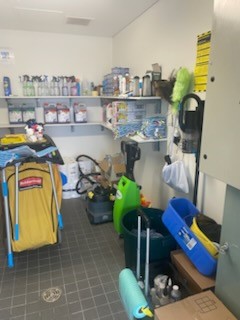
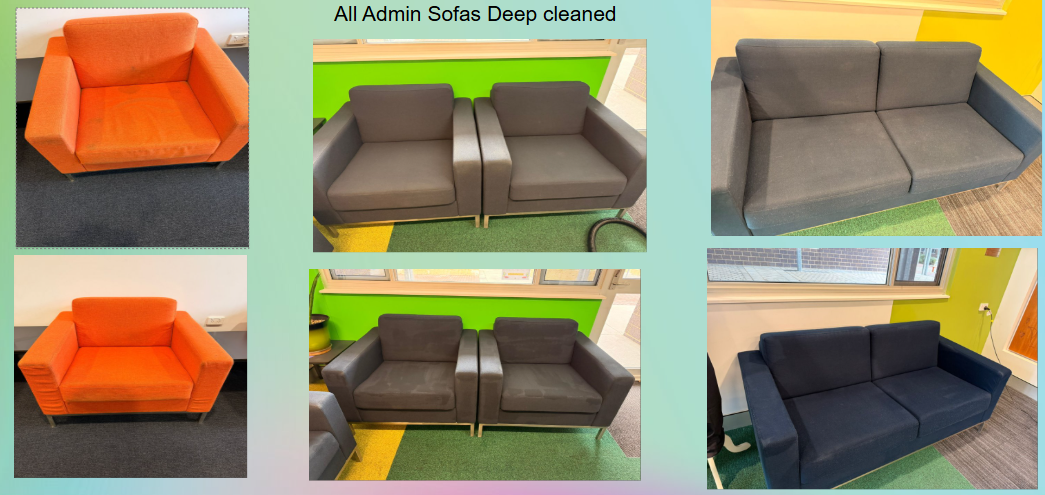
- Equipment is maintained regularly to ensure optimal cleaning performance (e.g., functional vacuums, scrubbing machines, microfibre systems).
- Vandal-resistant, easy-clean fixtures are recommended to schools to support long-term hygiene.
- Focus on Hygiene and Infection Control
- High-touch points (e.g., door handles, taps, flush buttons, railings) receive extra attention.
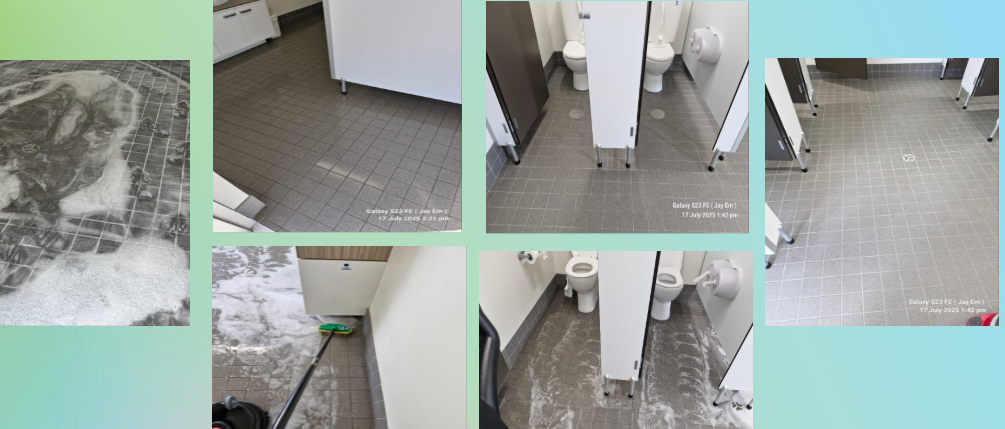
- Toilet and washroom areas follow strict disinfection procedures.
- During high-risk periods (flu season, outbreaks), cleaning frequencies and disinfecting practices are increased.
- Routine Quality Audits and Performance Checks
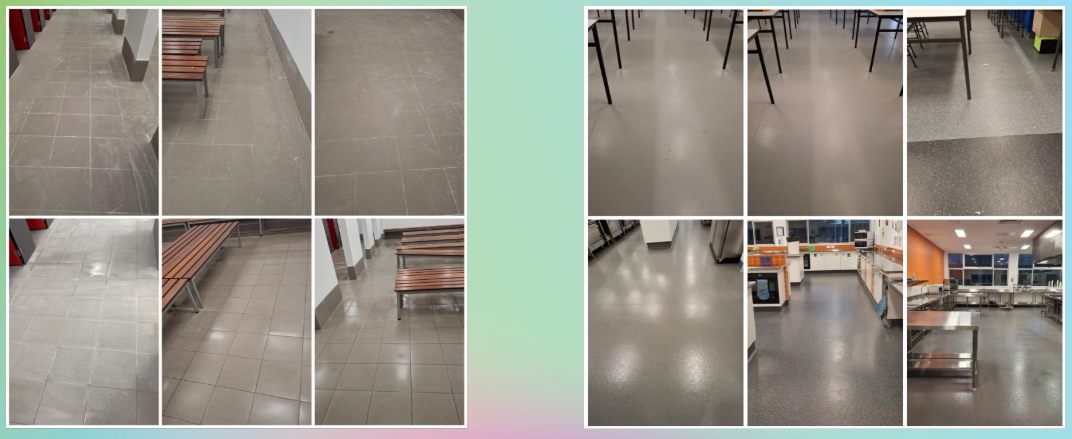
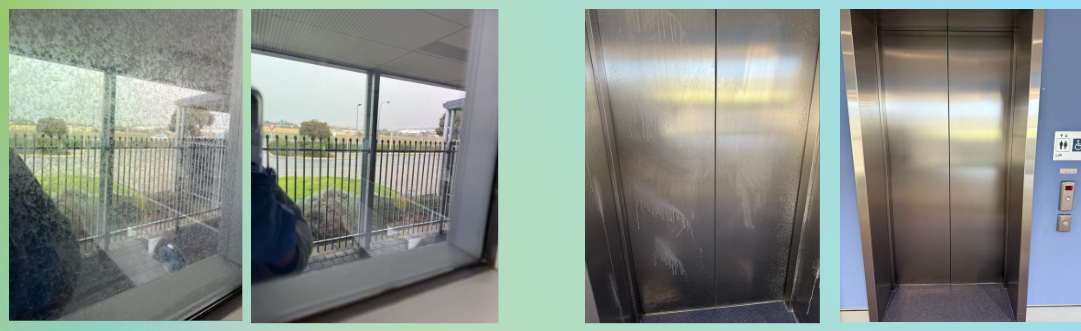
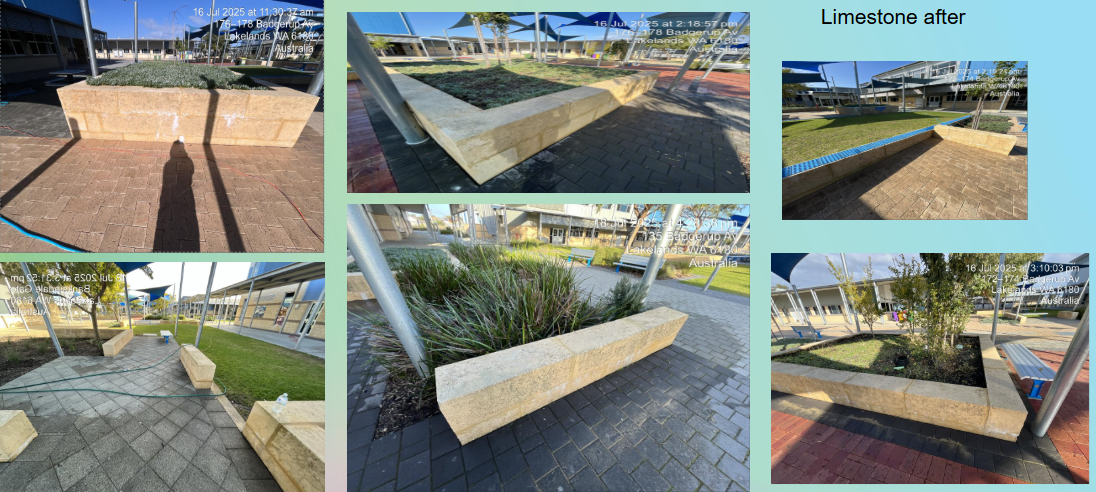
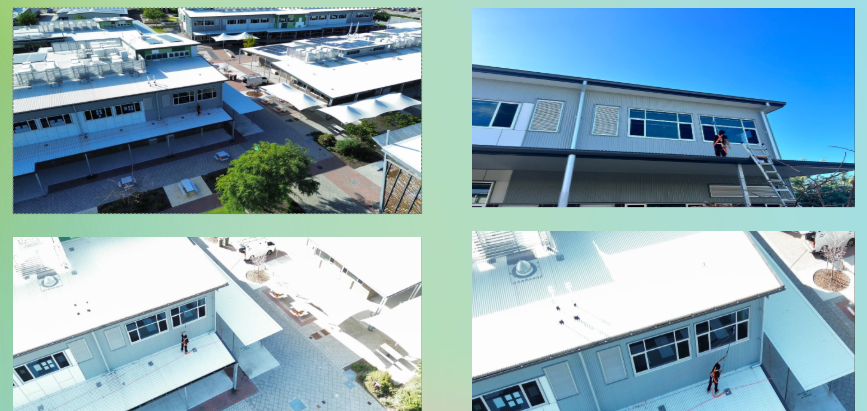
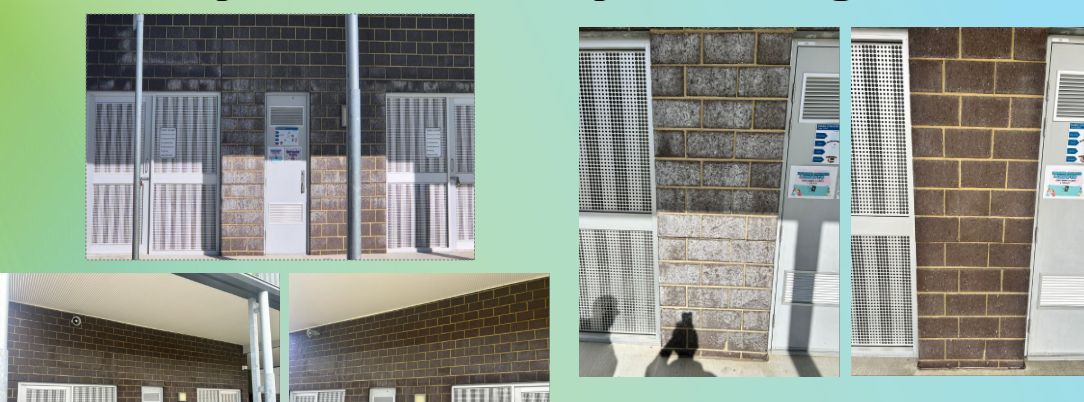
- Regular inspections are completed using consistent scoring and photographic evidence.
- Feedback loops ensure that any issues are escalated and resolved quickly.
- I work closely with site supervisors and school leadership to maintain transparency and continuous improvement.
Staff Training and Ongoing Professional Development - Cleaning teams receive training on hygiene standards, chemical handling, equipment use, and waste management.
- Toolbox talks reinforce expectations and refresh knowledge regularly.
- New cleaning techniques, safety updates, and compliance requirements are communicated promptly.
- Safety-First Approach
-
- All tasks are completed in line with safety procedures and PPE requirements.
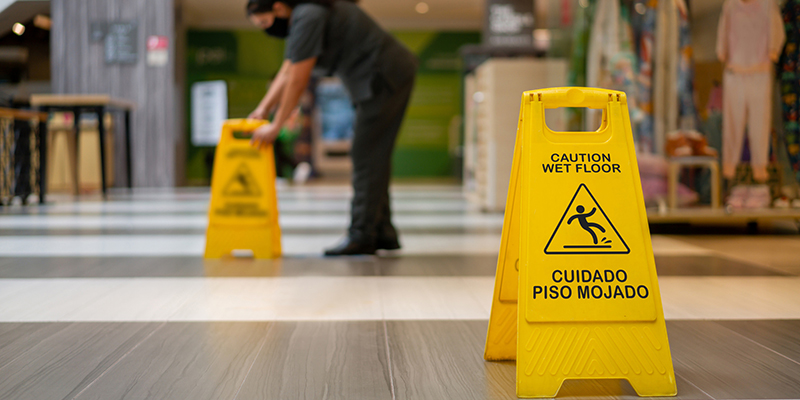
- Wet floor signage, equipment safety checks, and risk awareness help protect students and staff.
- Chemicals are stored securely and used according to SDS guidelines
- Creating a Culture That Values Clean
-
-
-
-
- We champion the meaning of “value of clean” by promoting ownership and pride within the cleaning teams.
- Cleanliness is framed as essential to learning, wellbeing, safety, and the school environment—not just a task.
- Collaborative relationships with schools help reinforce shared responsibility for maintaining high standards.
Rapid Response to Issues - Spills, accidents, vandalism, or hygiene concerns are addressed promptly.
- Cleaning teams remain flexible to support school events, emergencies, or unexpected needs.
In Summary
We deliver clean schools through a combination of clear standards, trained staff, quality tools, safety practices, transparent audits, and a strong culture of pride and accountability. Every decision and action is guided by one purpose:
to create safe, healthy, and welcoming learning environments for every student and staff member.
-
-
-
-
What does having a spotless space mean to you and your team and how does it contribute to the organization’s business outcomes?
To ensure every school space—whether a toilet block, classroom, office, or shared area—meets the highest standards of cleanliness, my team and I implement a structured, proactive, and quality-driven approach. This includes daily operational controls, hygiene-focused cleaning methods, safety compliance, and ongoing performance monitoring.
How does your facility promote sustainability and/or green cleaning?
- Cleaning Practices Designed to Minimise Environmental Impact
- Low-waste, high-efficiency cleaning systems
- Microfibre systems that reduce chemical usage and water consumption.
- Dosage-controlled chemical systems to prevent overuse and reduce chemical discharge.
- Refillable dispensers that reduce packaging waste across soap, sanitiser, and paper products.
- Use of hand dryers (where appropriate) to reduce reliance on paper towels while maintaining hygiene standards.
Give any examples of how you aim to create an inclusive and accessible experience in your facility for users and cleaners
Our facilities are designed and maintained to ensure every user—students, staff, visitors, and cleaners—can access the space safely, comfortably, and with dignity. We aim to provide solutions that meet diverse needs across age, gender, ability, and health requirements.
- Inclusive Solutions for Menstruators
- Stocked and accessible sanitary disposal units
- Hygienic, discreet disposal systems that are serviced regularly to prevent odour and overflow.
- Placement of bins within each cubicle ensuring privacy and ease of use.
- Support for schools implementing sanitary product programs, ensuring dispensers and storage areas remain clean and functional.
- Supporting Women and Gender-Inclusive Needs
- Well-lit, clean, and safe bathroom designs to promote comfort and confidence.
- High-capacity consumables (soap, toilet paper) to ensure products are always available.
- Secure and private cubicles to promote dignity and comfort
- Accessibility for People with Disabilities
- Fully compliant accessible bathrooms maintained to a high standard to support mobility and independence. We ensure:
- Grab rails are clean and securely fixed
- Emergency call buttons are unobstructed
- Doors, locks, and fixtures operate smoothly
- Adequate space is kept clear of obstacles
- Easy-to-use dispensers (soap, paper, hand dryers) placed at appropriate heights.
- Tactile and high-contrast signage kept clean and visible.
- Support for the Users with Mobility Needs
- Regularly maintained non-slip flooring to reduce fall risks.
- Sturdy, easy-grip fixtures (taps, handles, rails).
- Clear sightlines and uncluttered spaces to support safe navigation.
- Adequate seating and rest points kept clean and functional where applicable.
- Cleaners’ Inclusion, Safety, and Accessibility
- We also ensure facilities are designed to be inclusive and safe for the staff responsible for cleaning them, including:
- Ergonomic and Safe Work Conditions
- Accessible storage areas for chemicals and equipment.
- Light-weight, ergonomic tools to protect cleaners’ health.
- Clear pathways free of clutter to reduce manual handling risks.
- Accessible Design That Supports Cleaning Efficiency
- Surfaces and fixtures chosen for ease of cleaning, reducing workload and injury risk.
- Vandal-resistant, durable dispensers that minimise repeated maintenance.
- Clear Signage and Communication
- Facilities clearly labelled to avoid confusion about gender or accessibility.
- Spaces kept organised so cleaners can work confidently and efficiently.
- Culturally and Socially Inclusive Approaches
- Use of gender-neutral/unisex toilets where appropriate to support diverse student needs.
- Respectful cleaning practices (e.g., avoiding disruption during prayer times or sensitive school activities).
- Clean, private, and dignified spaces that respect all cultural backgrounds.