International Cleaning Week
Spotless Spaces Competition Finalist
Quito Metro Stations
Forto Facilities (BSC)
Describe your Spotless Space
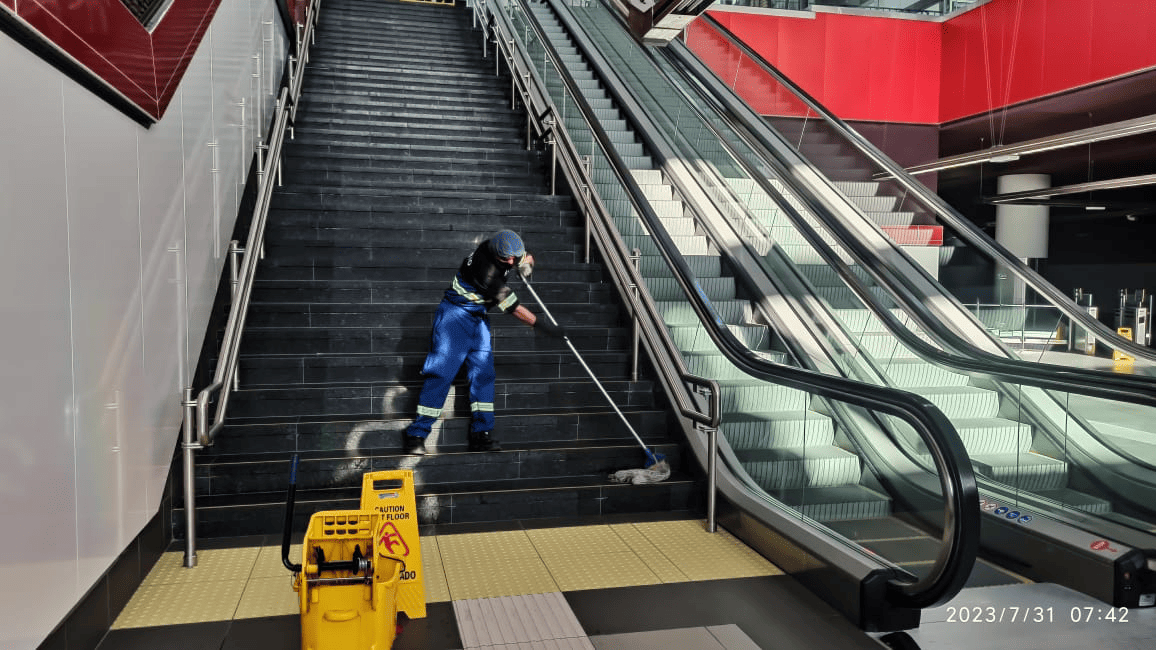
The 15 stations of the Quito Metro, the city’s first underground transport system and one of the most modern in South America, move more than 150,000 people every day. These stations include entrance areas, platforms, circulation zones, elevators, escalators, ticket offices, and administrative and technical areas.
For Forto Facilities, cleaning and keeping the stations spotless is more than a service; it means ensuring order, hygiene, and trust in the most modern transport system in Ecuador. The Metro maintains outstanding satisfaction ratings, and the high standard of cleaning and disinfection directly contributes to sustaining this perception of excellence and safety.
Forto’s purpose: to elevate the travel experience with immaculate, sanitized environments, protecting public health and dignifying professional cleaning work. All our work is framed within the standards of “Metro Culture,” in collaboration with our client and contracting partner, Empresa Operadora Metro de Medellín Transdev (EOMMT).
What specific measures do you or your team implement to ensure this space meets the highest standards of cleanliness and embodies the value of clean?
We apply a technical-operational approach based on risk management, international standards, advanced technology, and continuous quality control.
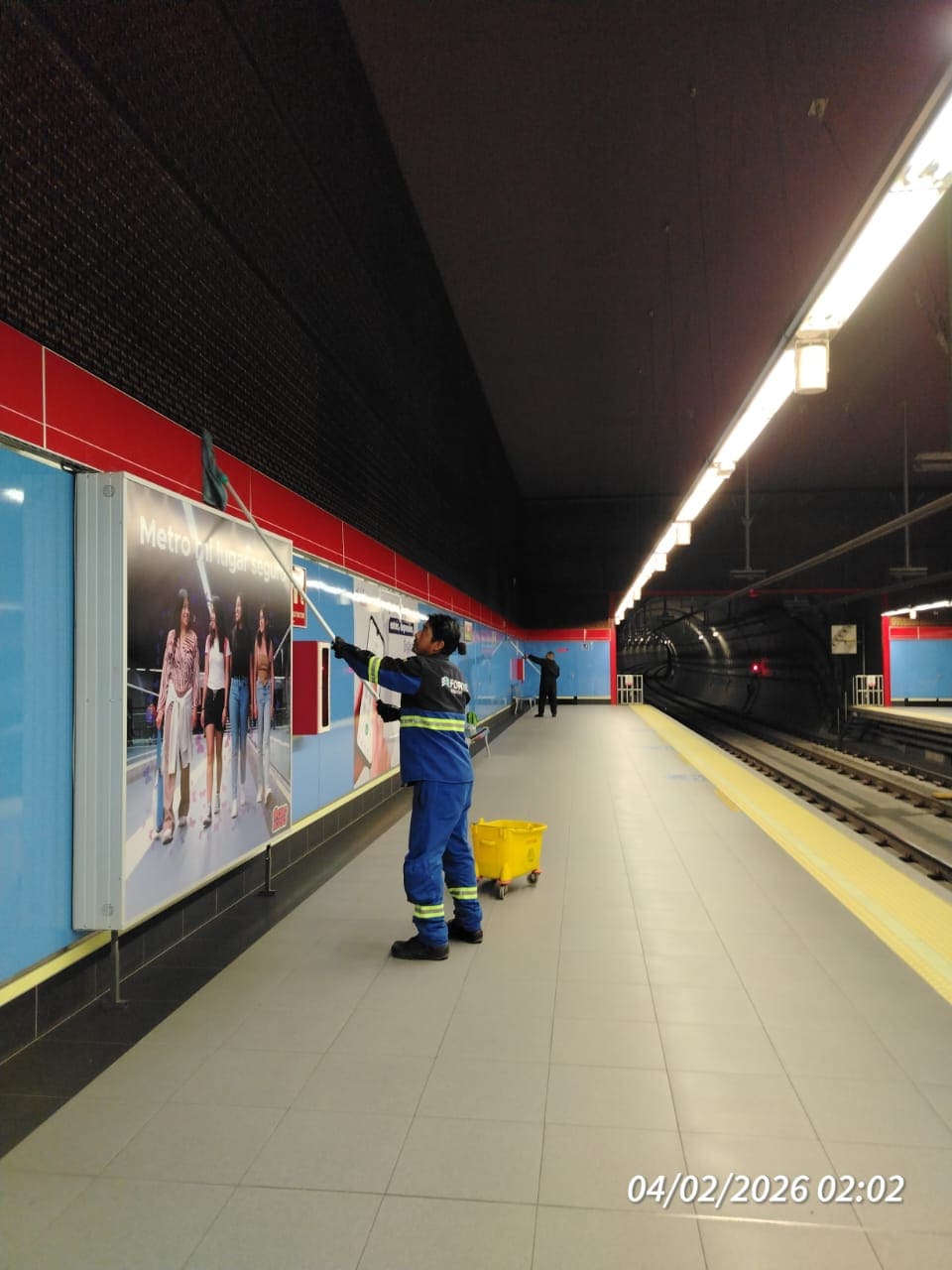
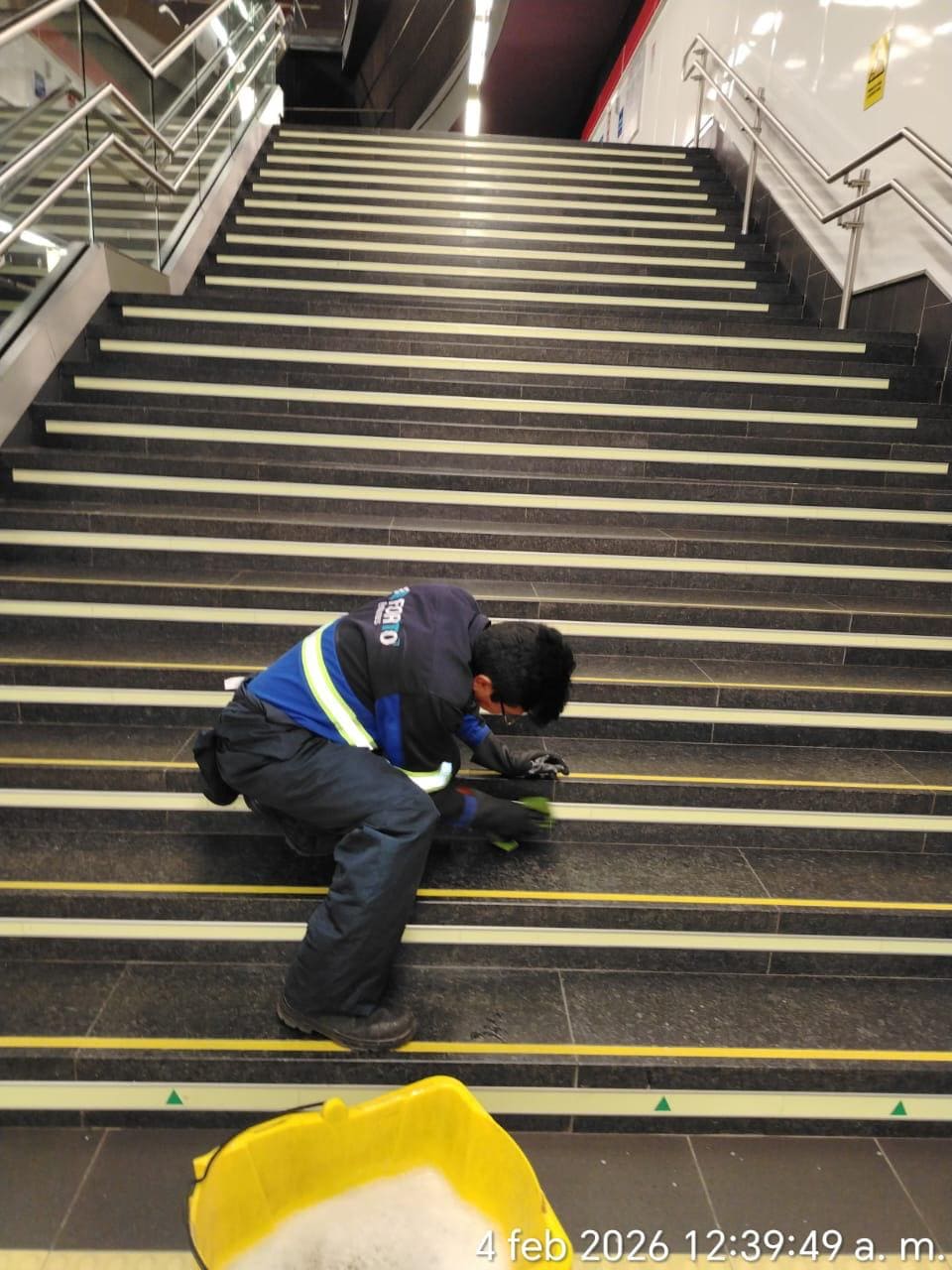
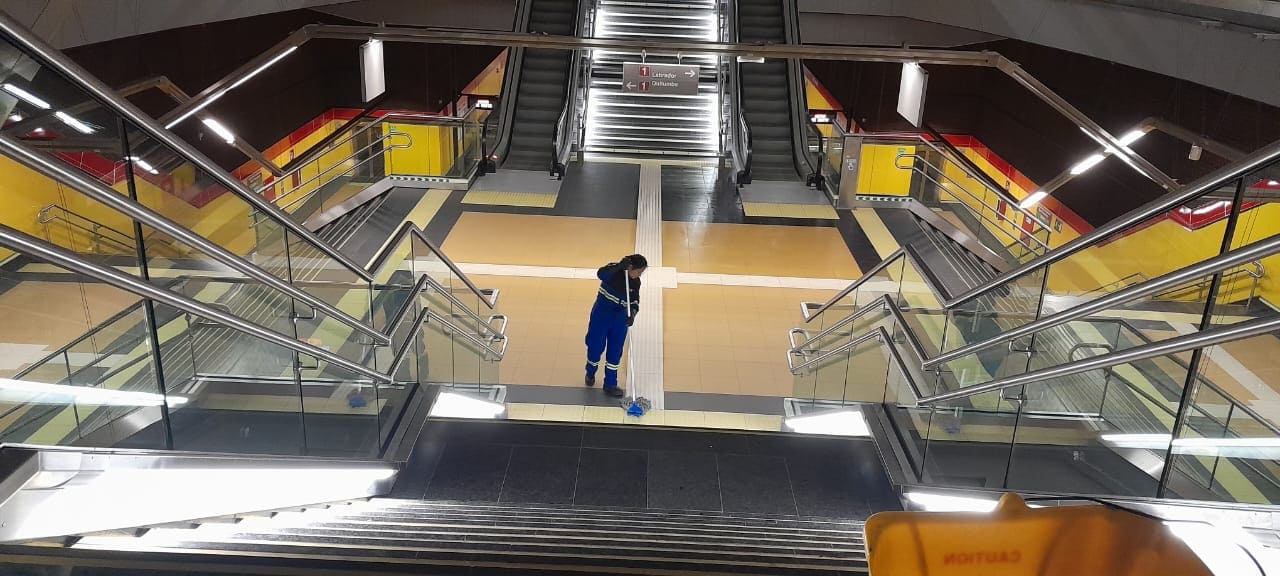
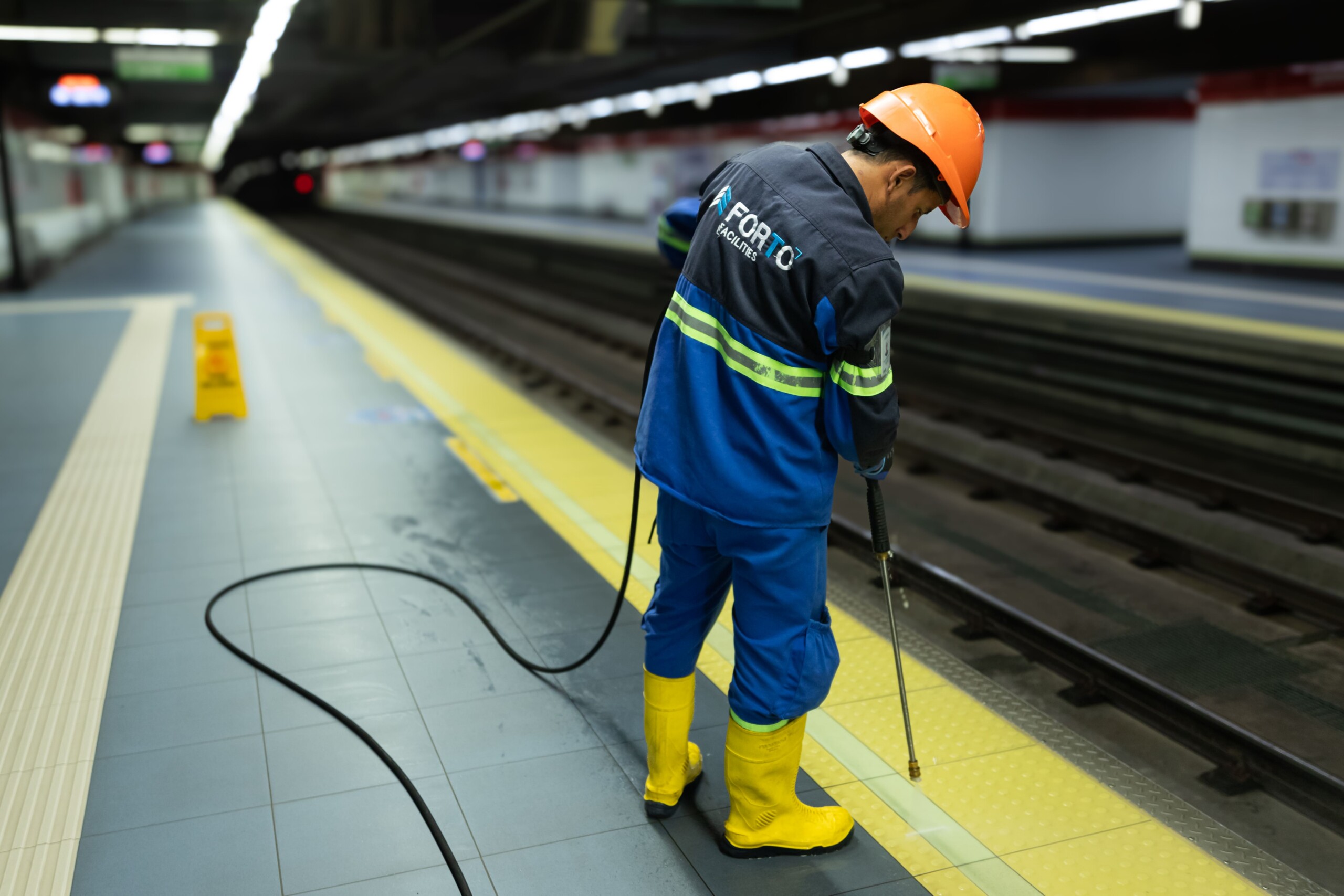
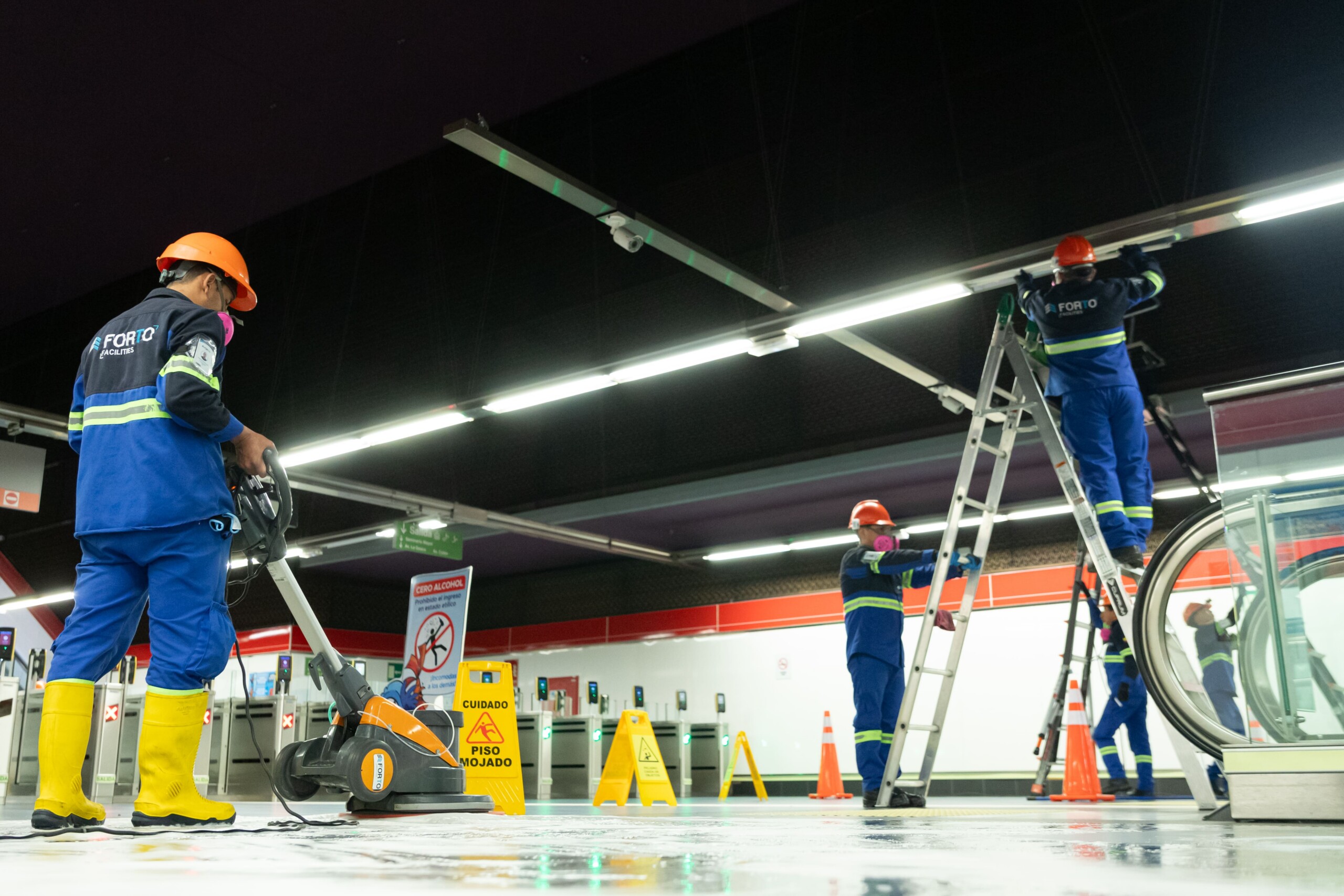
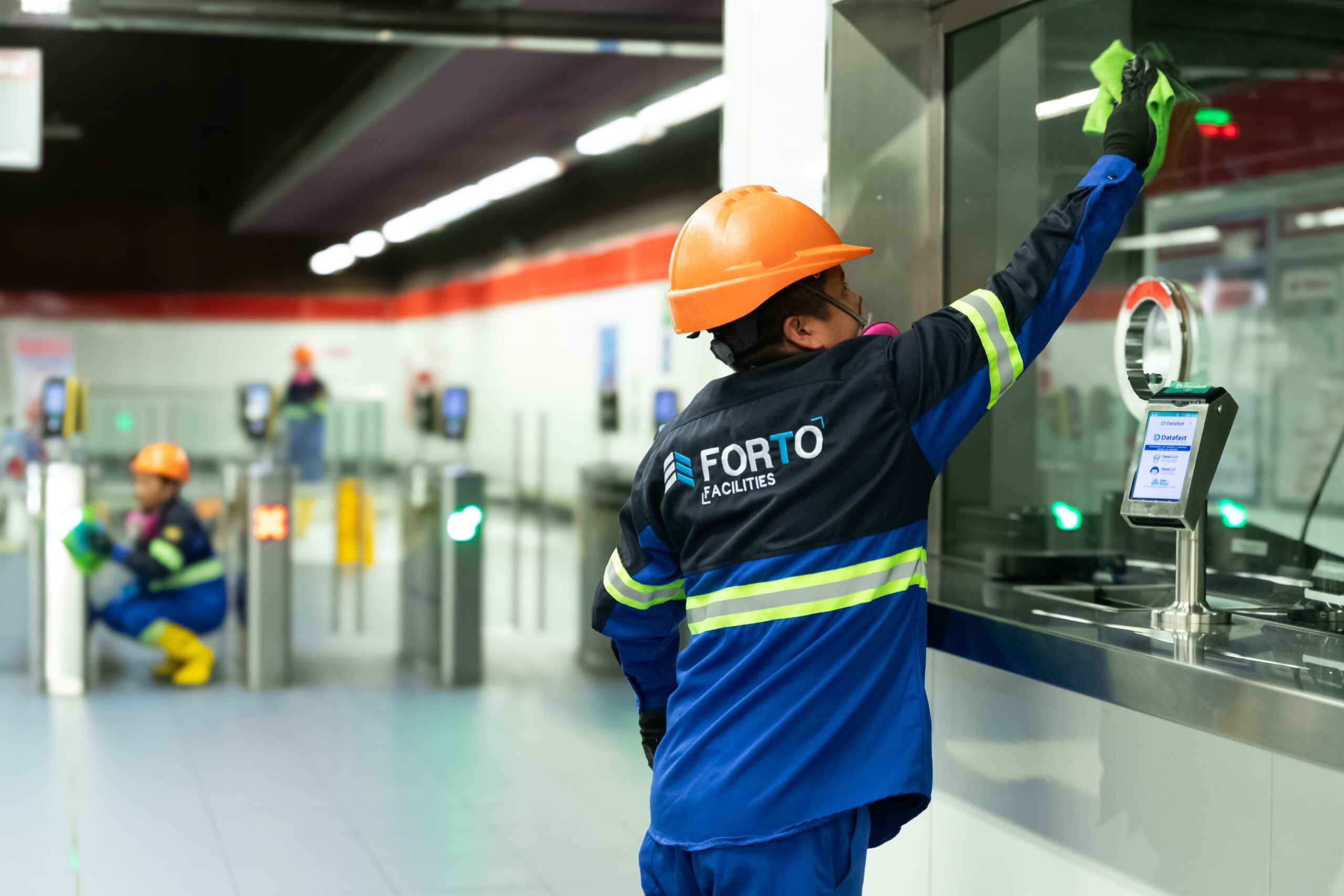
Risk- and flow-based management: We identify and prioritize critical points such as entrances, validators, turnstiles, handrails, control buttons, elevators, ticket booths, and waiting-area furniture. We set differentiated frequencies according to passenger flow and execute structured operational routes that include opening, operating, and closing cleaning, night work, scheduled deep cleaning, and emergency response.
International guidelines: We follow cleaning and disinfection protocols based on recommendations from WHO, PAHO, and the CDC. We first perform mechanical cleaning to remove dirt and organic load, followed by targeted disinfection on high-touch surfaces, respecting concentrations and contact times to ensure maximum effectiveness. We avoid inefficient practices such as indiscriminate spraying, prioritizing direct, controlled disinfection.
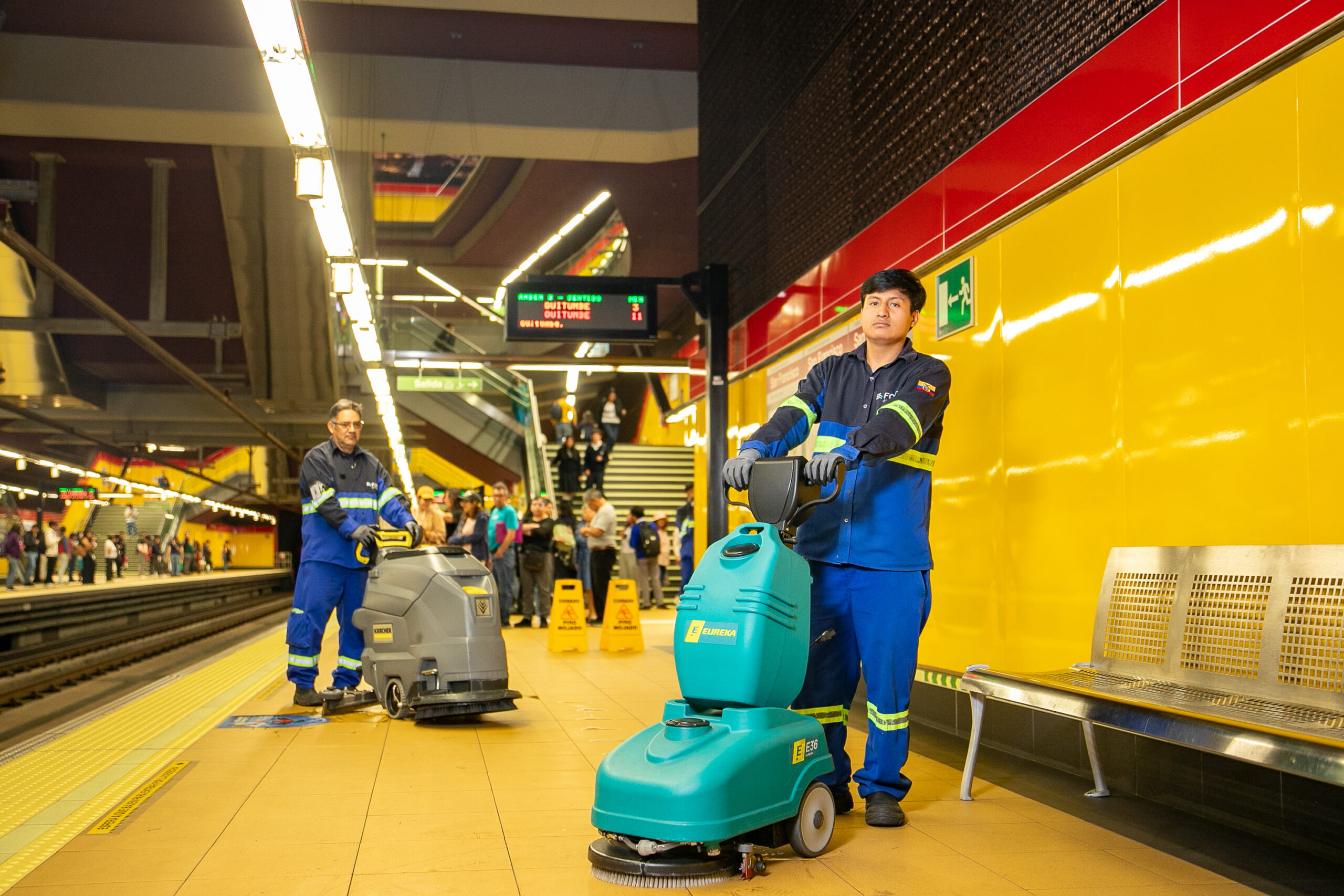
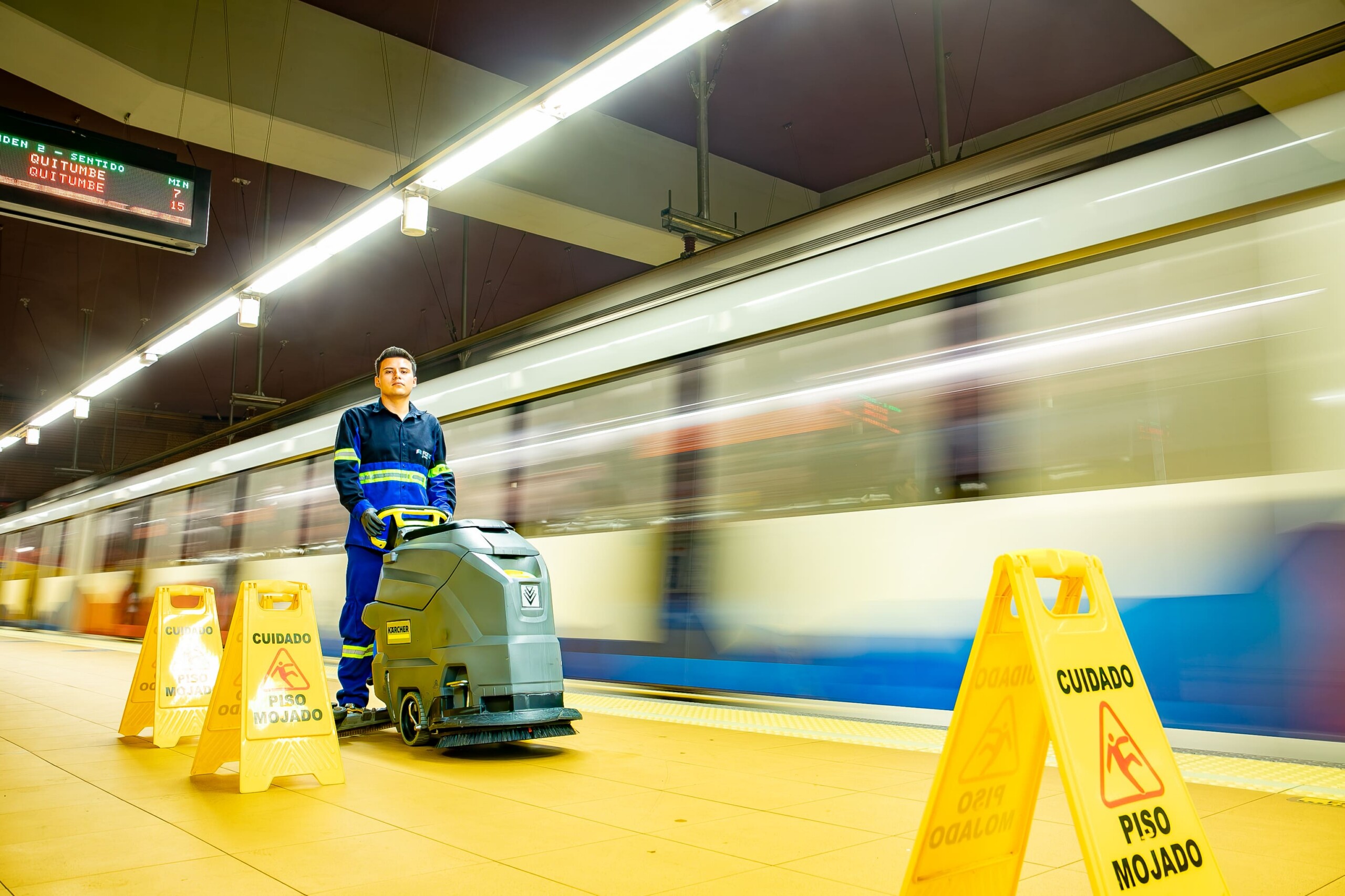
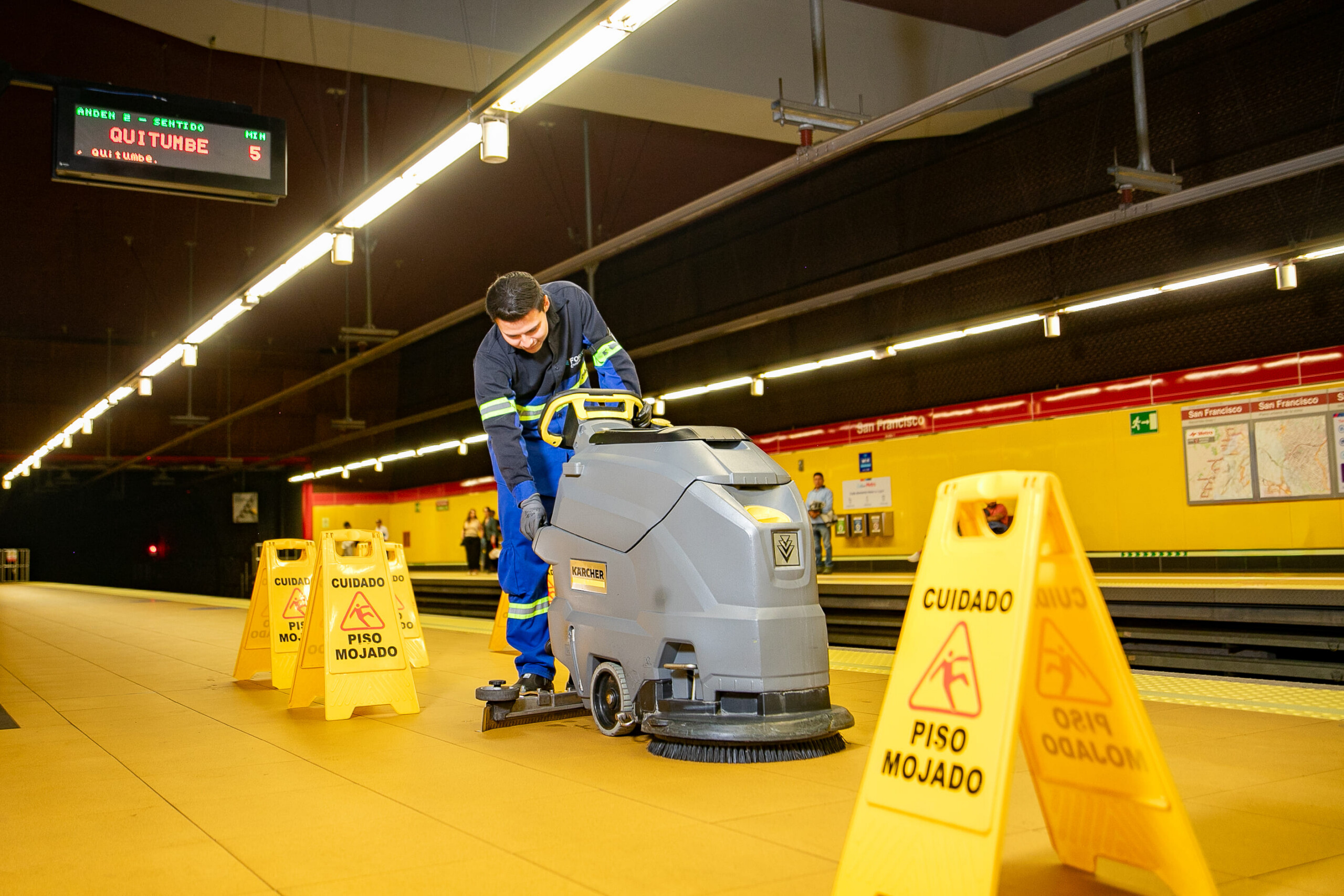
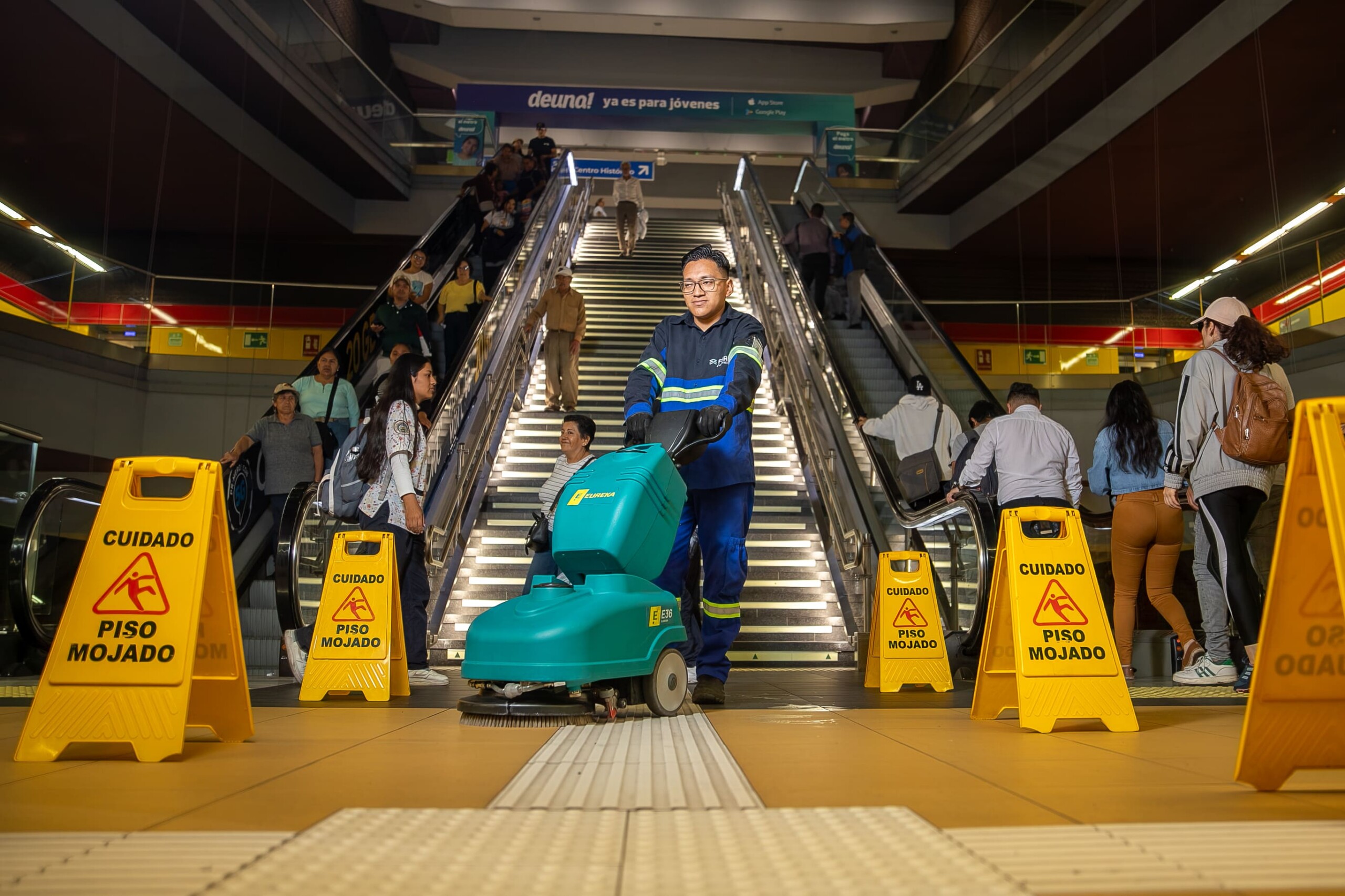
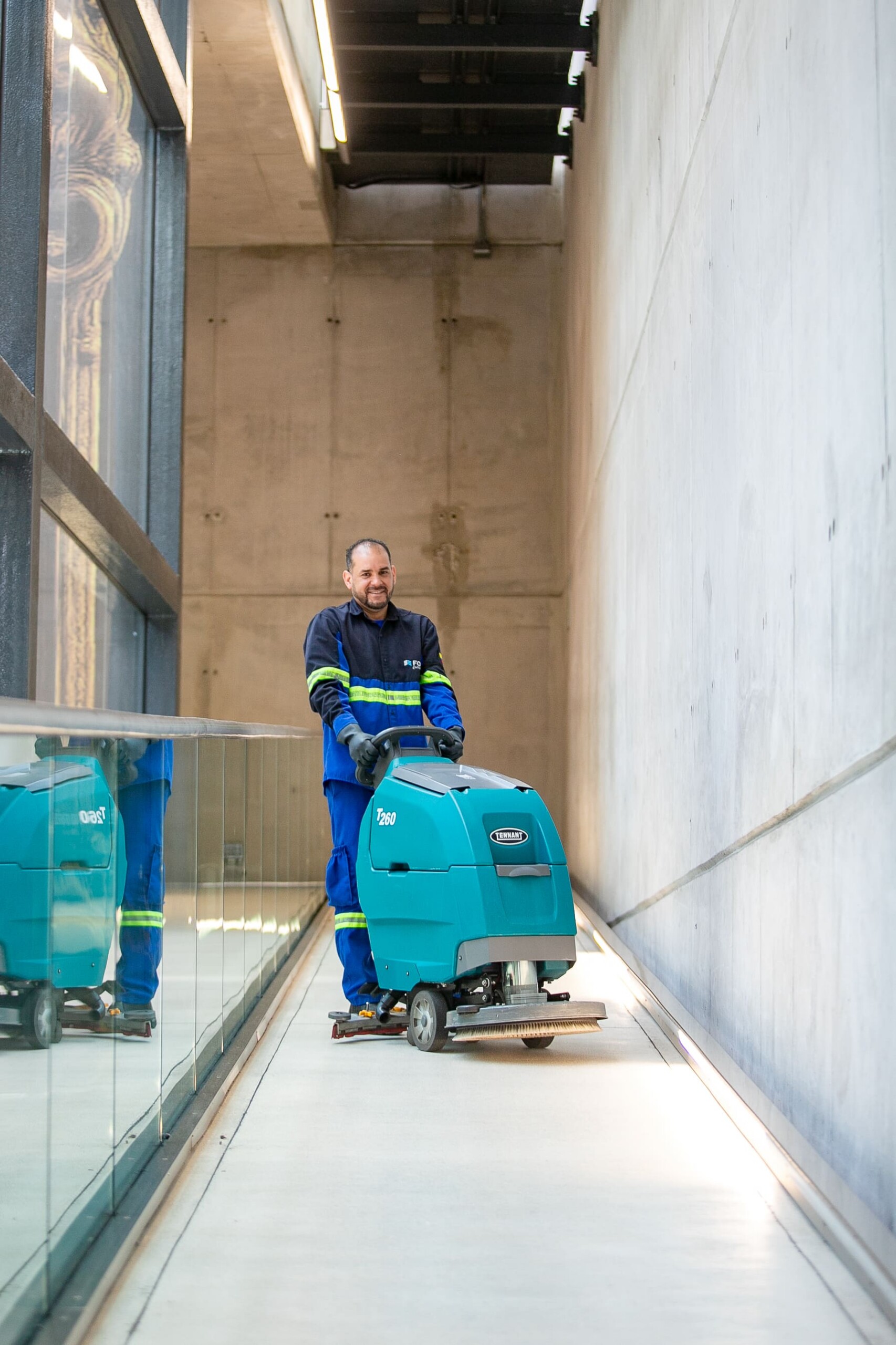
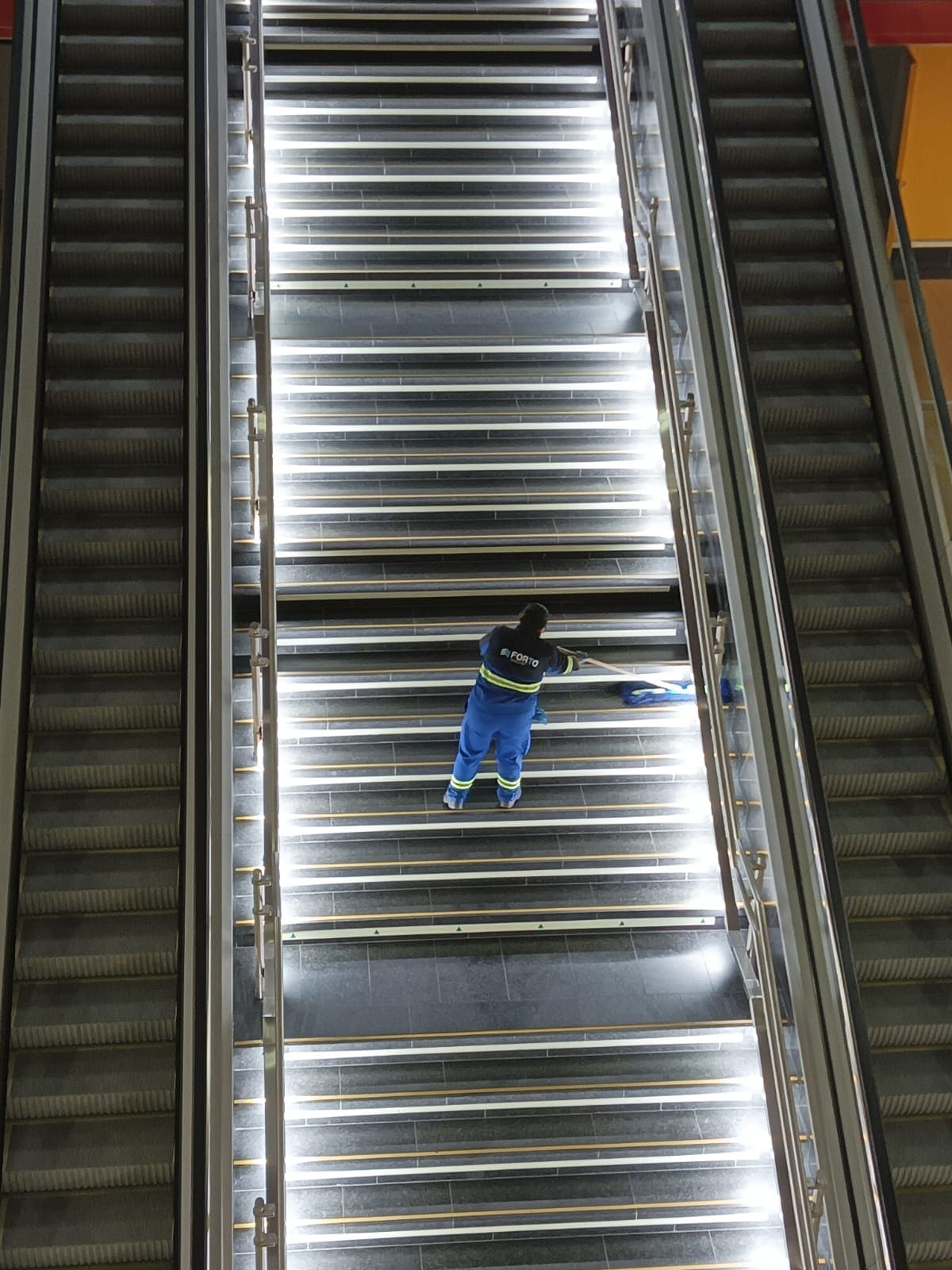
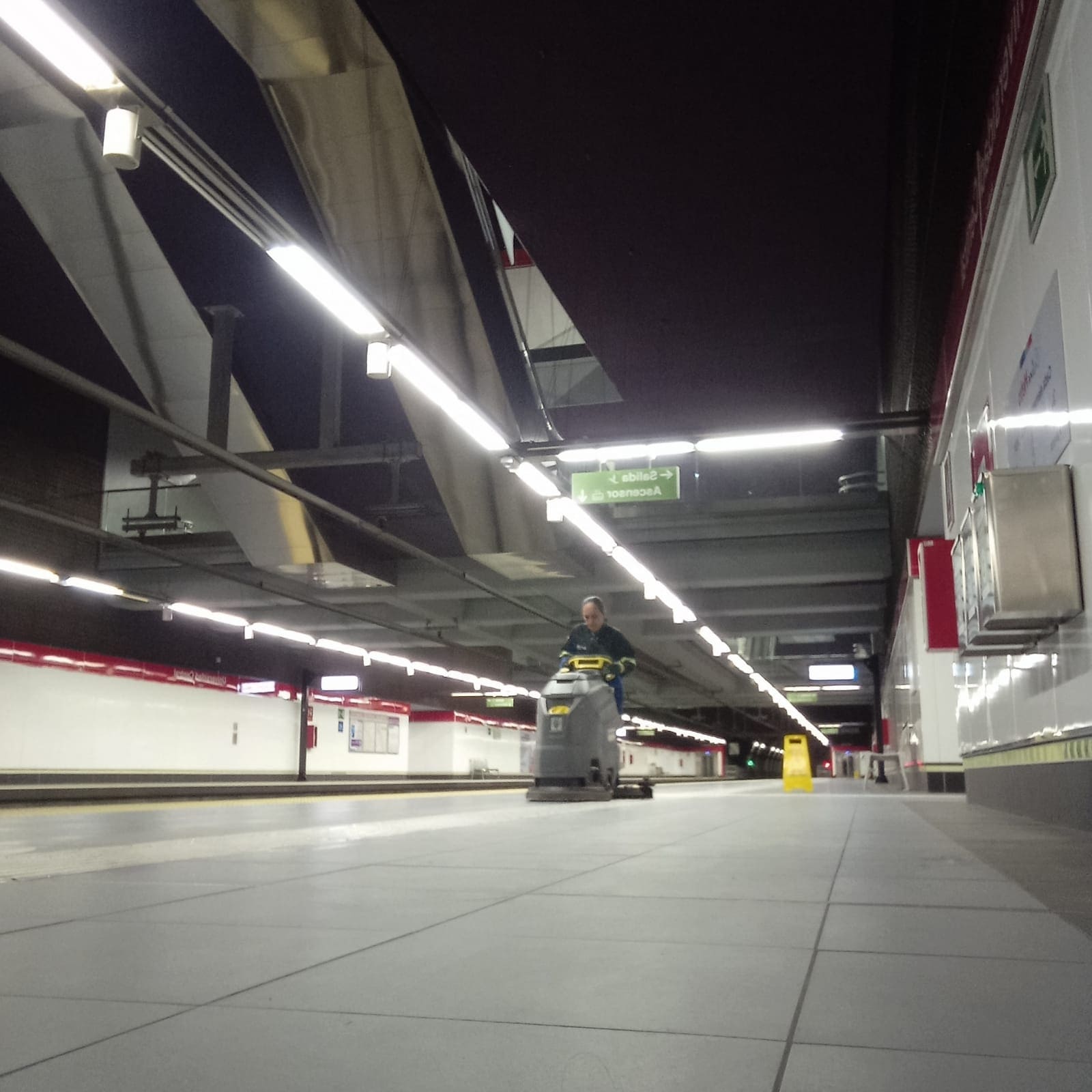
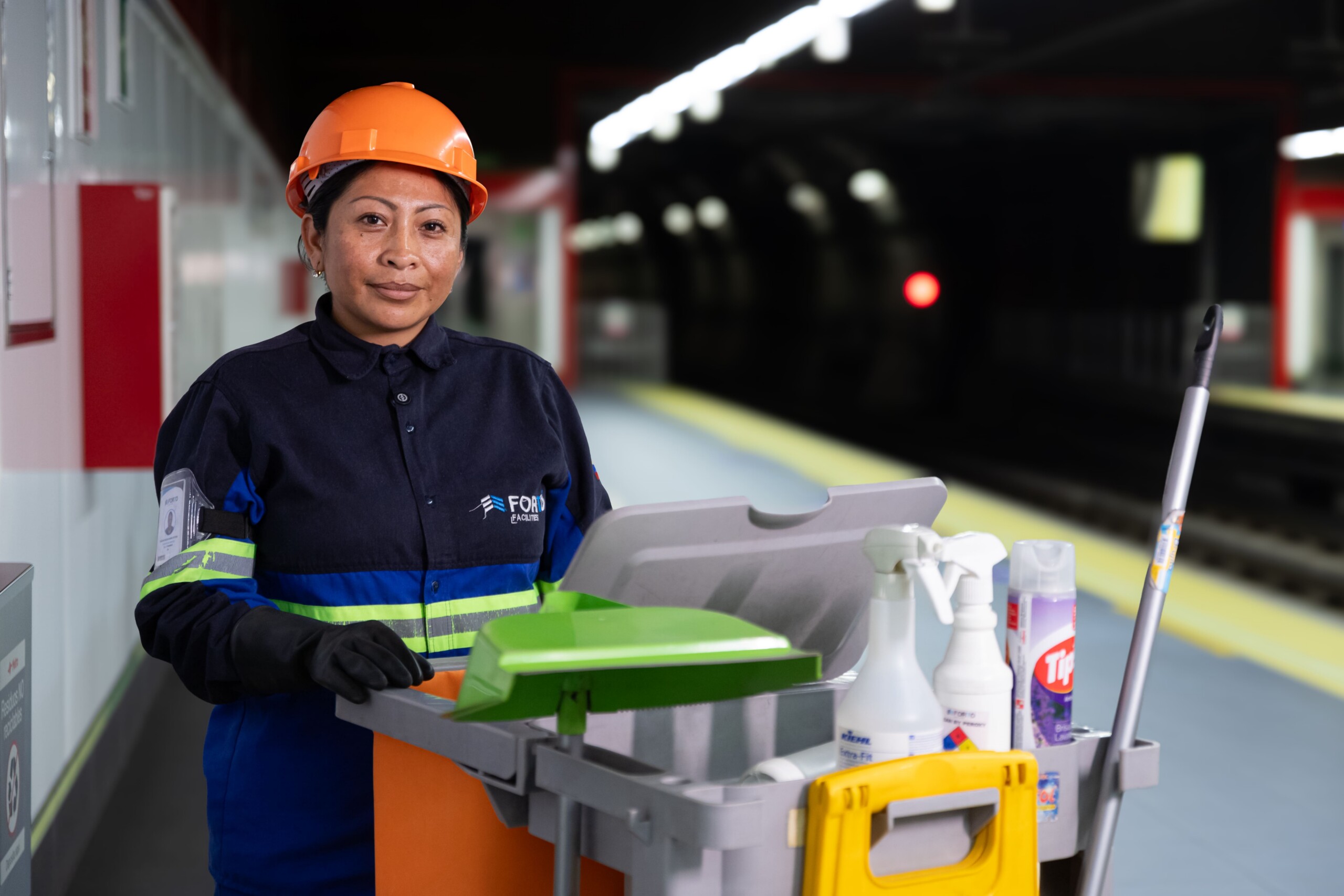
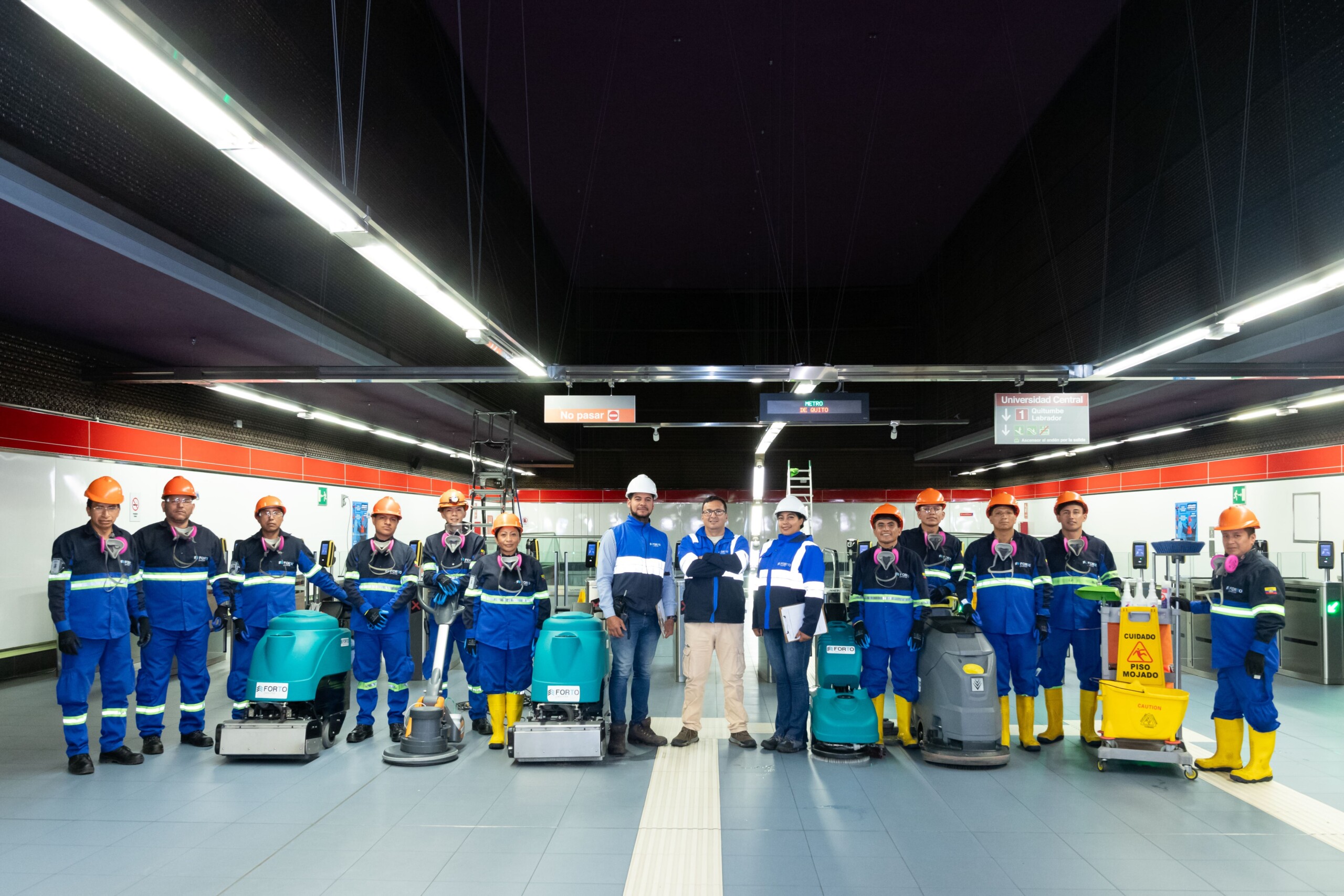
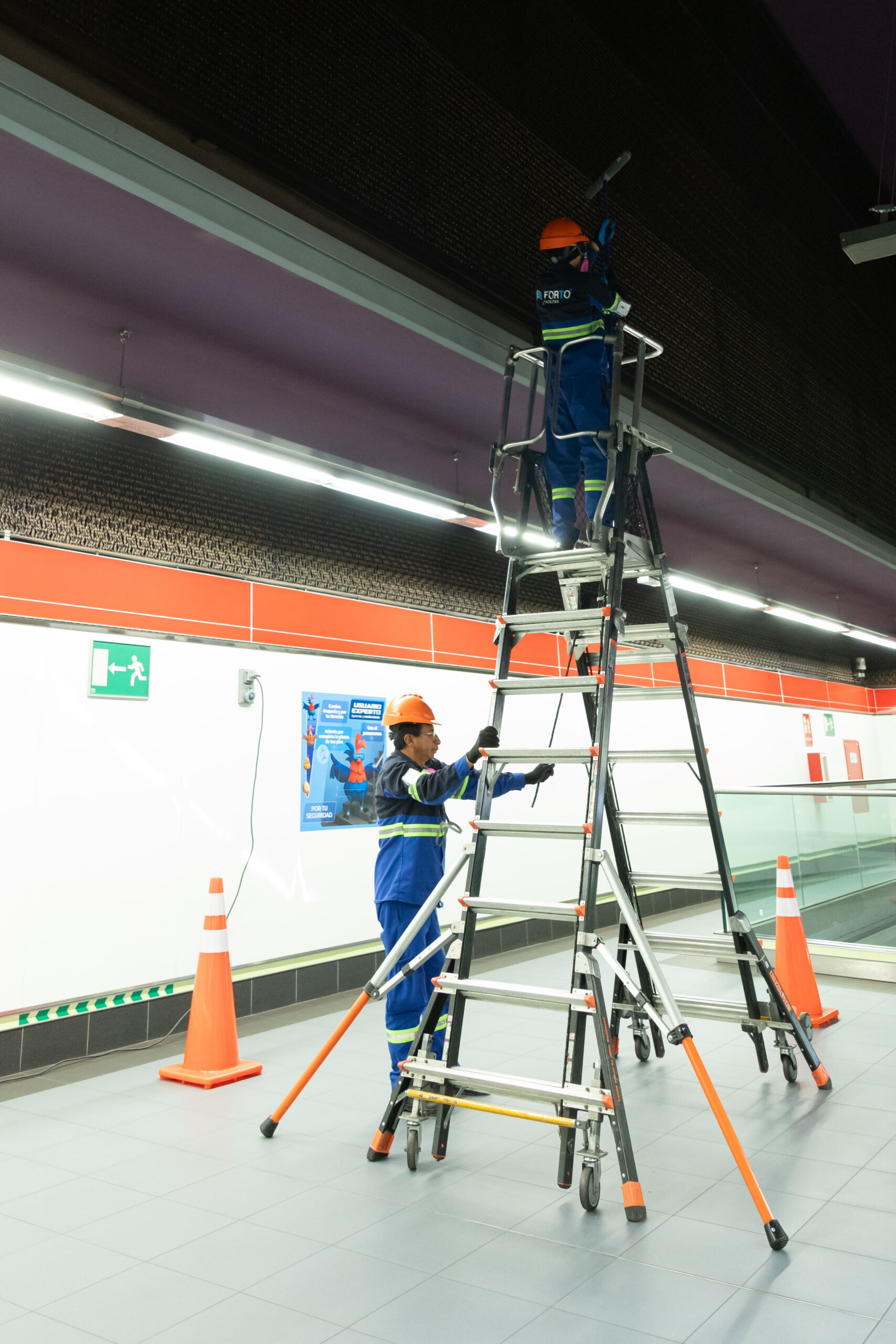
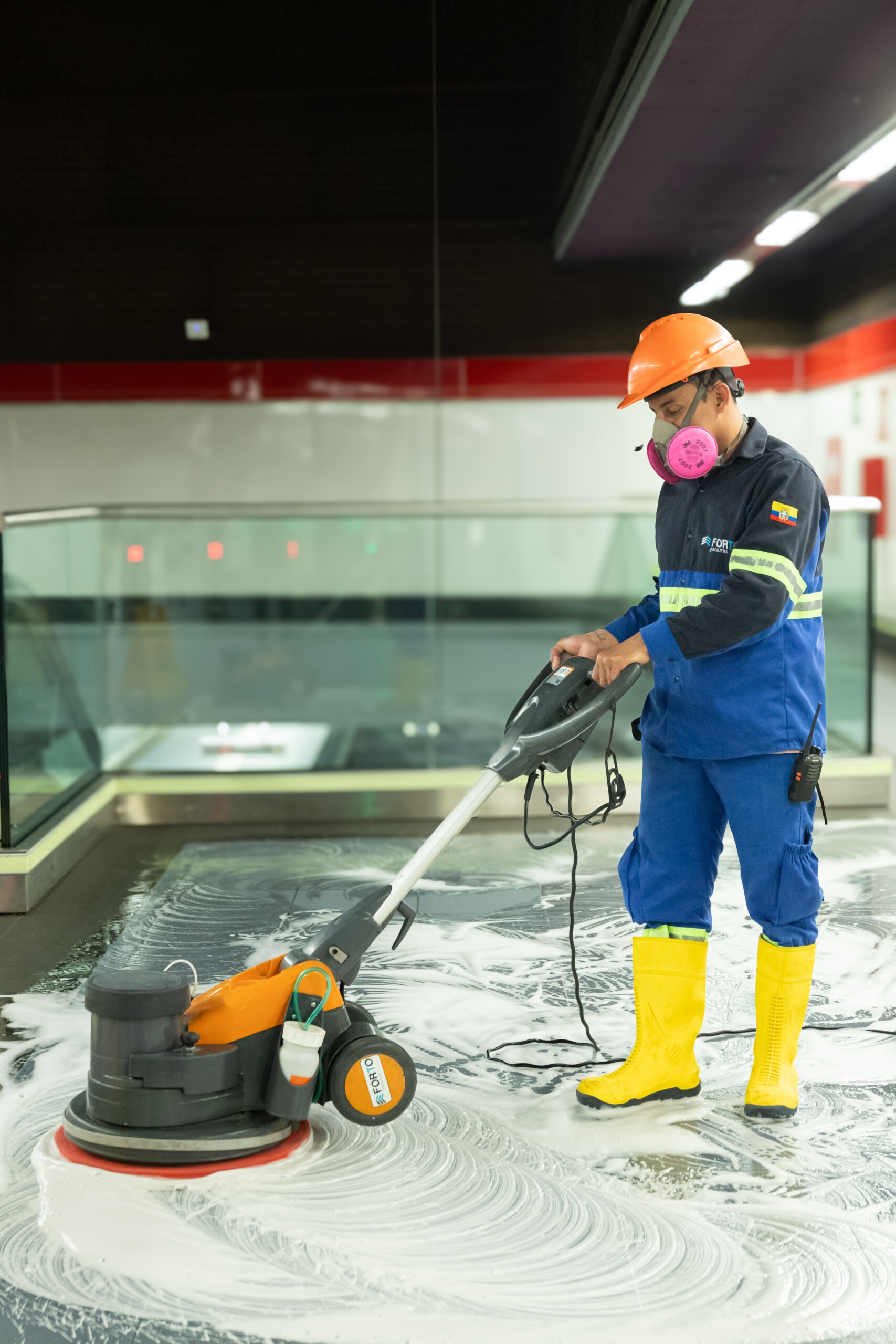
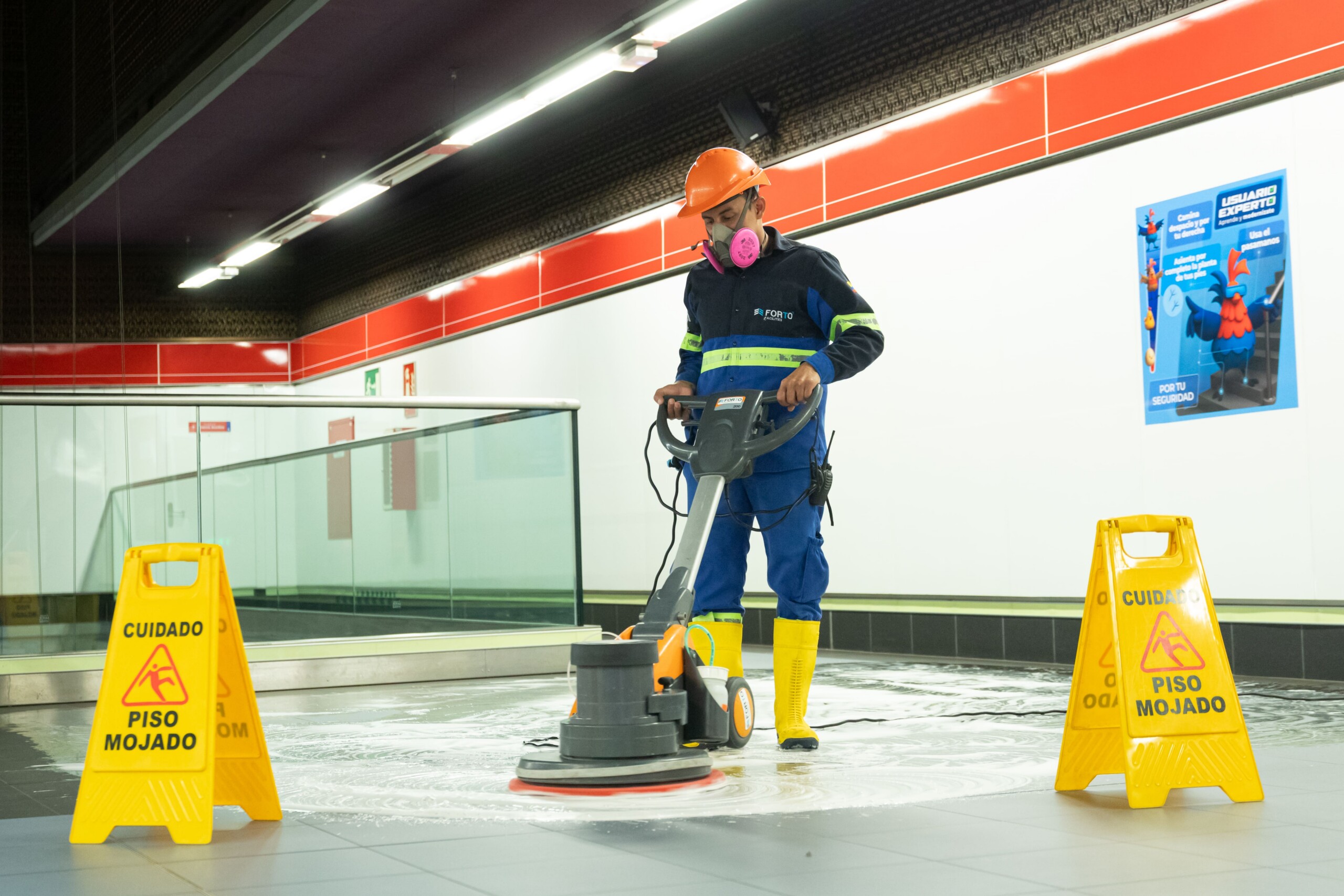
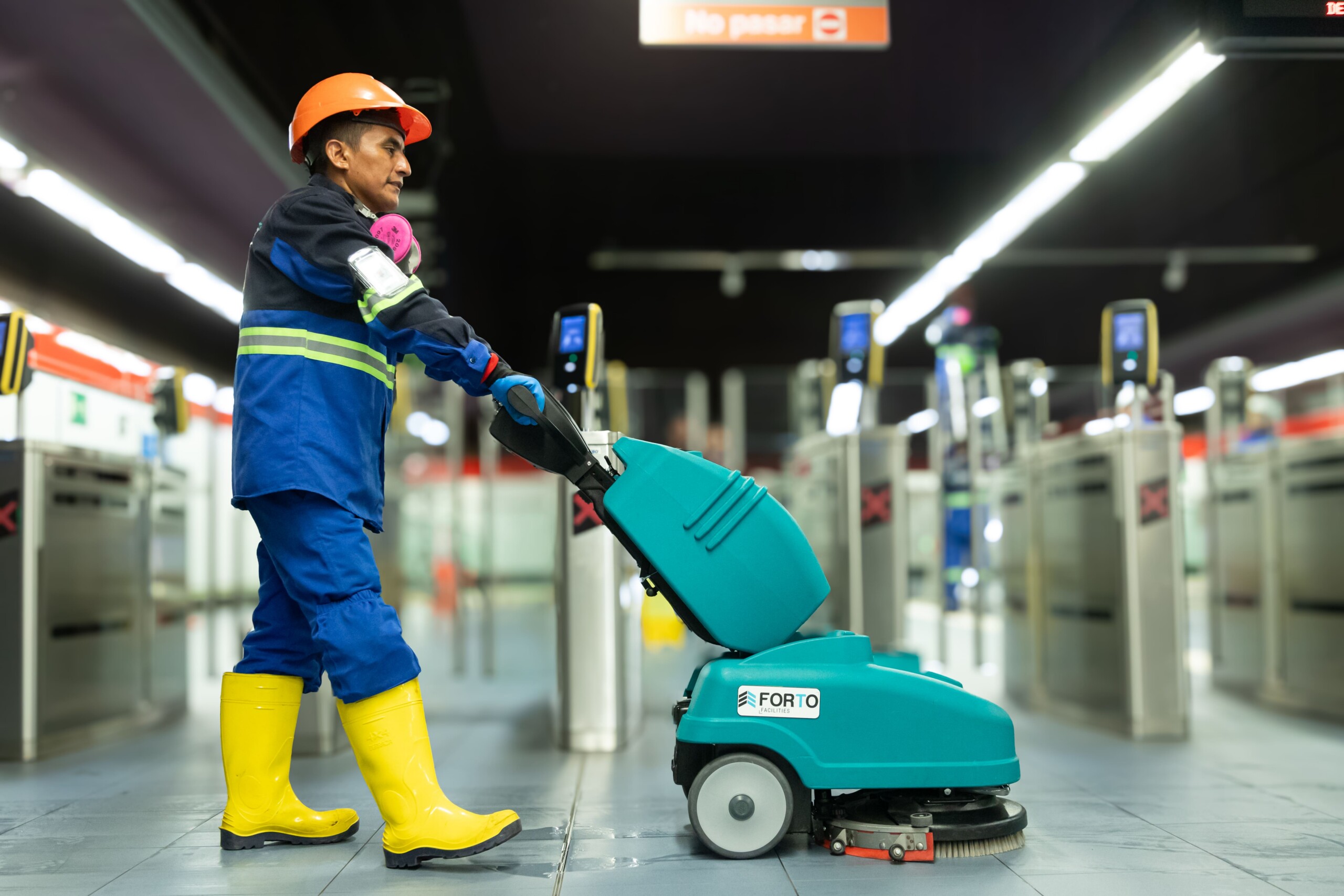
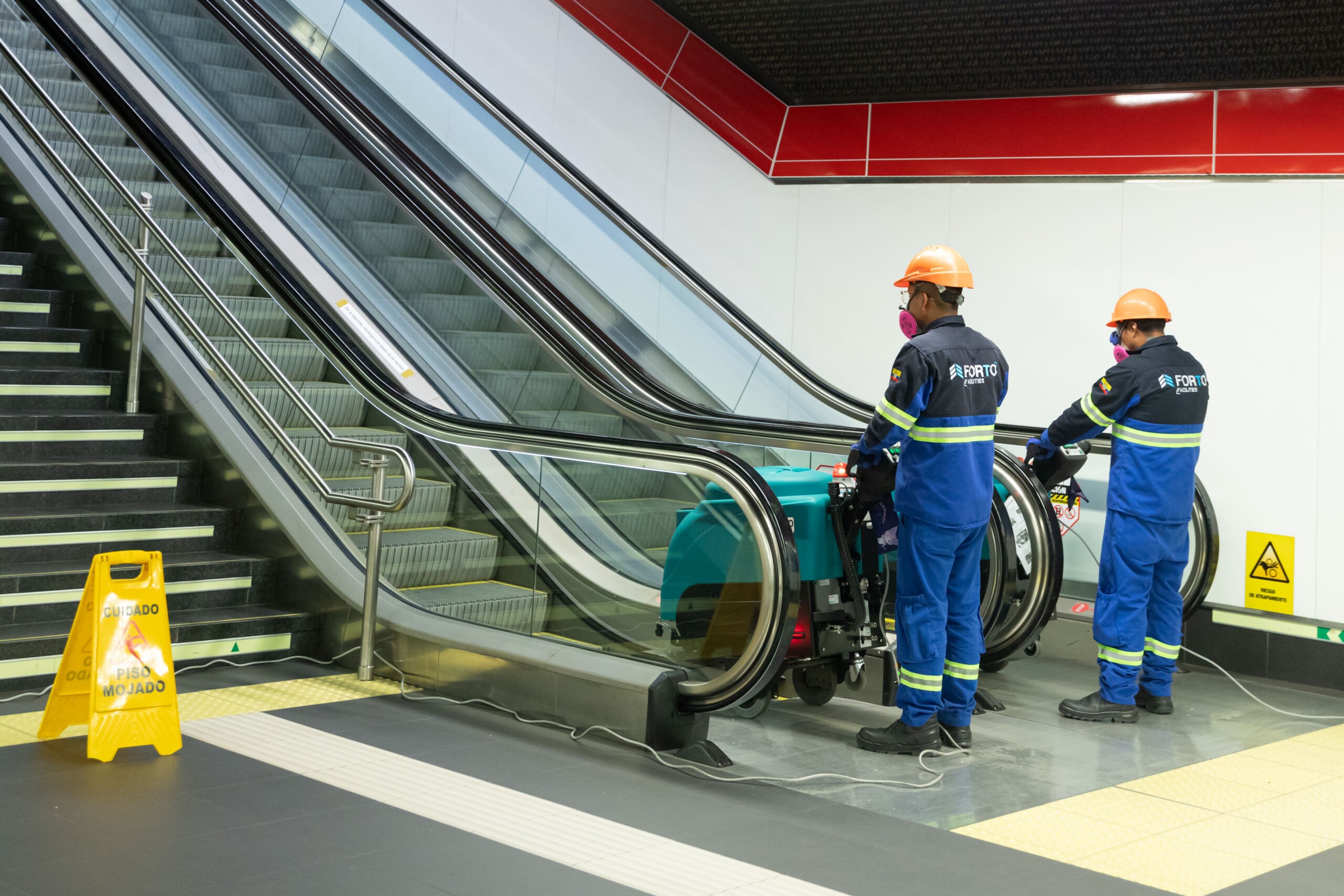
Technology and efficiency: We use state-of-the-art equipment, including floor scrubbers, specialized machines for escalators, wet/dry vacuums, and backpack vacuums for technical and confined areas. We use eco-friendly products supported by technical data sheets and safety data sheets, ensuring environmental protection, surface compatibility, and safety for both users and staff.
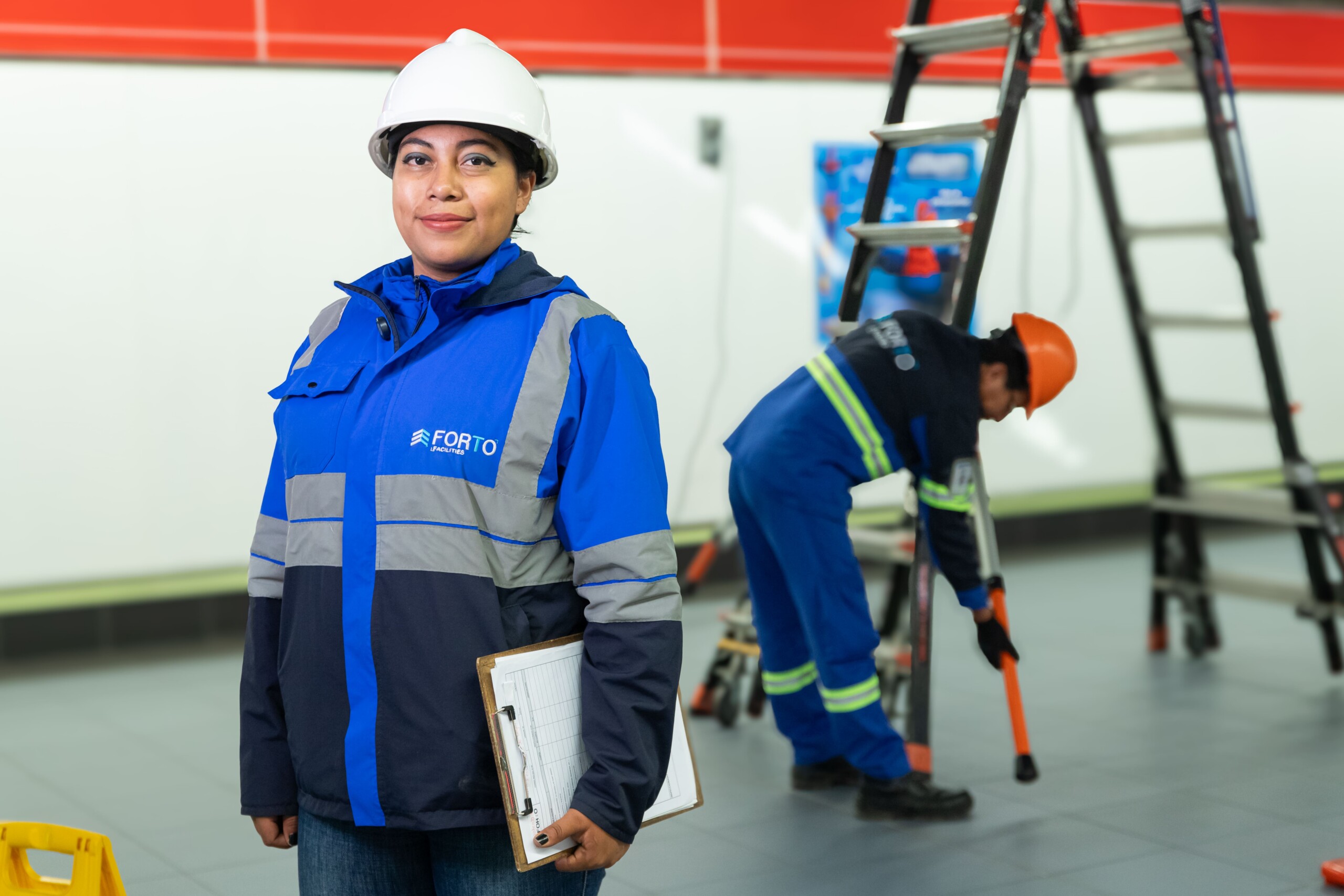
Control and training: We monitor compliance through key performance indicators, a Visual Cleanliness Index (VCI), periodic audits, and continuous supervision. Our team receives ongoing training in biosafety, chemical handling, waste management, technical procedures, and customer service.
What does having a spotless space mean to you and your team and how does it contribute to the organization’s business outcomes?
For us, a spotless space represents safety, dignity, and trust. Every clean surface communicates respect for the city and for the people who use the system every day. Our work allows thousands of riders to travel in a safe, orderly, and healthy environment.
This commitment is reflected in concrete organizational results, including high levels of user satisfaction, improved perception of safety, and a stronger reputation for the Metro system. Reducing the microbial load on high-touch surfaces lowers the risk of disease transmission and supports the operational continuity of the service.
Our team views cleaning as a social responsibility. We do more than clean: we sanitize, prevent, and protect. This commitment strengthens public trust and contributes to the success of the transportation system.
How does your facility promote sustainability and/or green cleaning?
Forto Facilities promotes sustainability through a comprehensive model of responsible purchasing, efficient operations, and proper waste management. We work exclusively with qualified suppliers who meet technical, environmental, and biosafety standards, verifying technical data sheets, safety data sheets, and environmental certifications.
We use eco-certified and biodegradable chemicals, controlled dosing systems to prevent waste, and high‑efficiency equipment that reduces the consumption of water, energy, and chemicals. We prioritize supplies with recyclable packaging and optimize the use of reusable materials such as microfiber cloths.
We implement waste-sorting systems in line with local regulations and provide ongoing training for our staff in sustainable practices and responsible resource management. These actions reduce environmental impact and contribute to a cleaner, more sustainable transportation system.
Give any examples of how you aim to create an inclusive and accessible experience in your facility for users and cleaners
We work under the principle that a spotless space must also be inclusive, safe, and accessible for everyone. We keep ramps, elevators, and handrails clean, functional, and free of obstacles, making access easier for older adults, people with disabilities, and riders with reduced mobility.
We ensure constant cleaning and disinfection of high-touch surfaces, improving safety and reducing health risks. We respond quickly to any incident that affects users’ accessibility or safety.
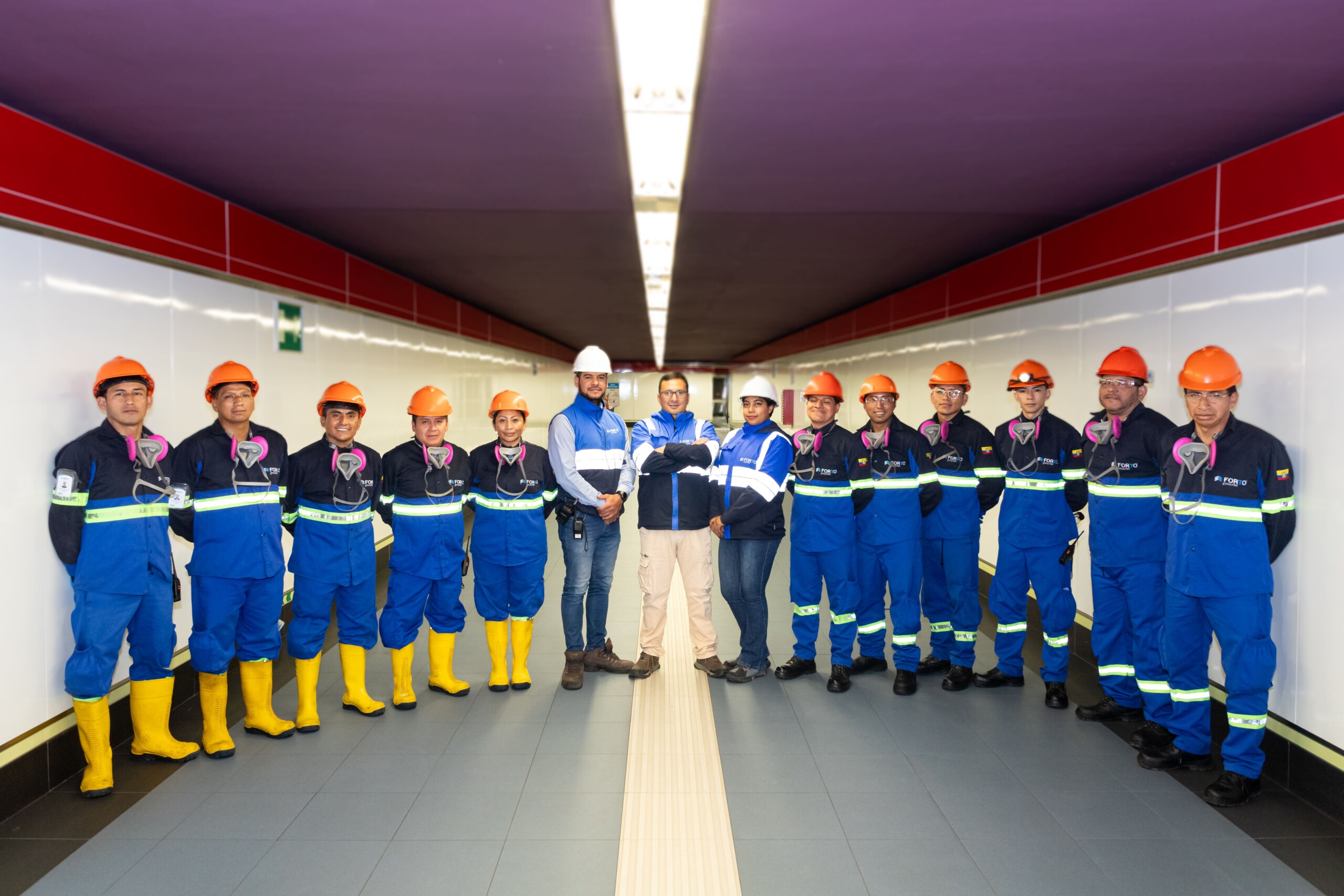
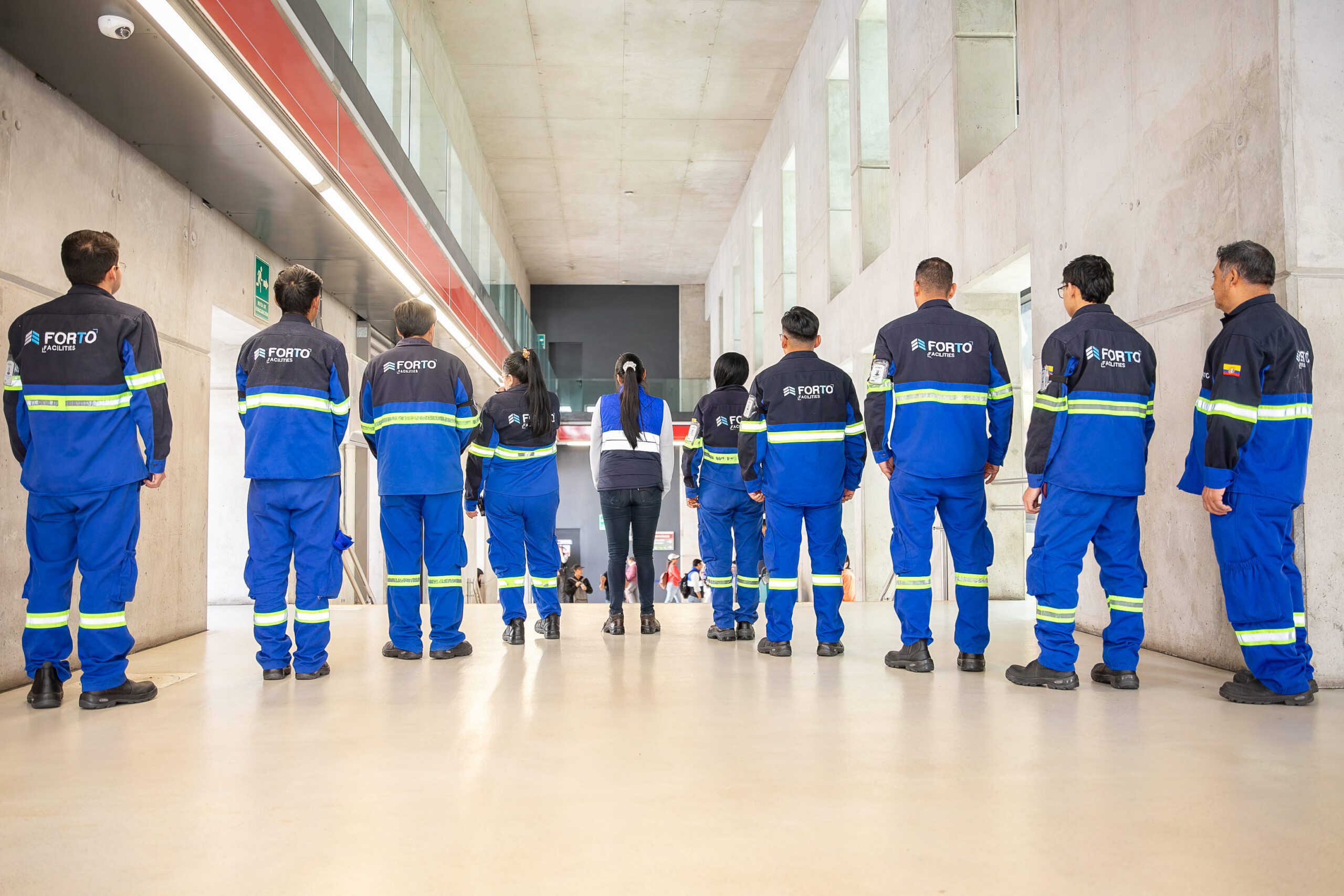
We also protect the well-being of our team members through high-quality personal protective equipment, ergonomic tools, active breaks, and ongoing training in safety, biosafety, and inclusion.
These actions ensure that Quito Metro stations are accessible, safe, and inclusive spaces where every person—rider or worker—can carry out their activities in dignified, clean, and safe conditions.