International Cleaning Week
Spotless Spaces Competition Finalist

University of British Columbia
Facility Manager
Describe your Spotless Space
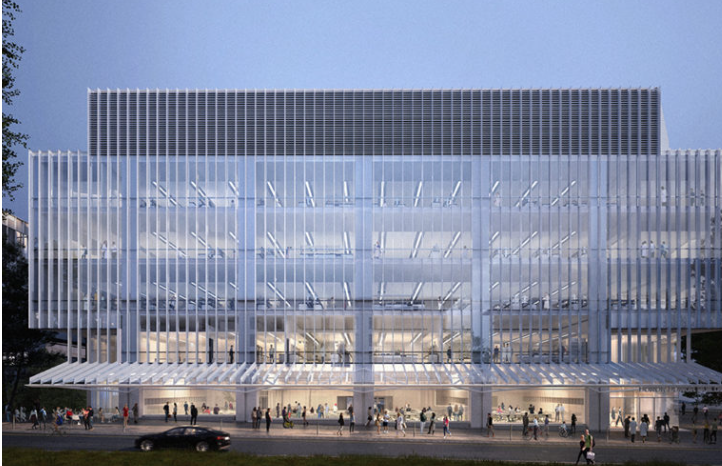
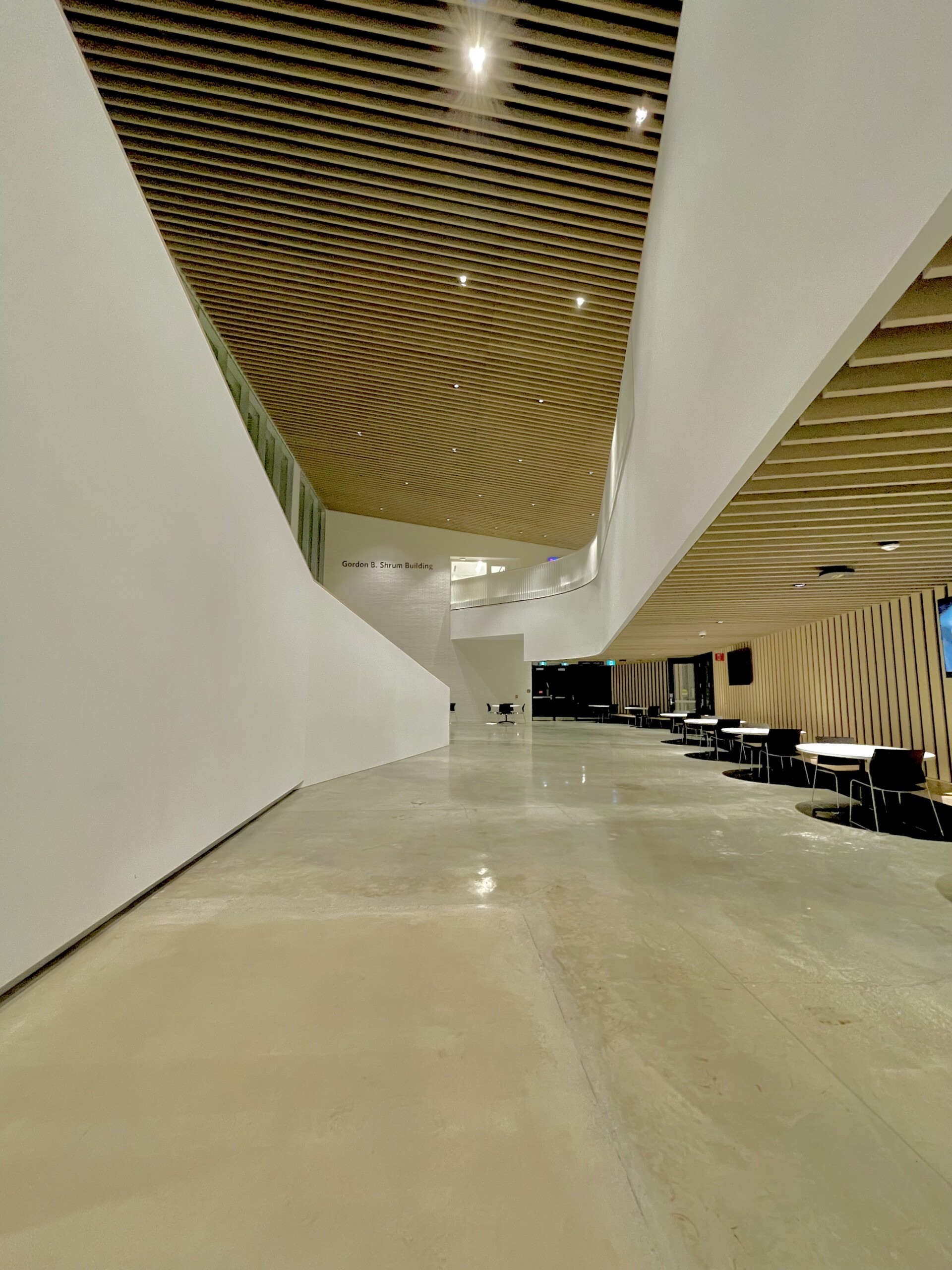
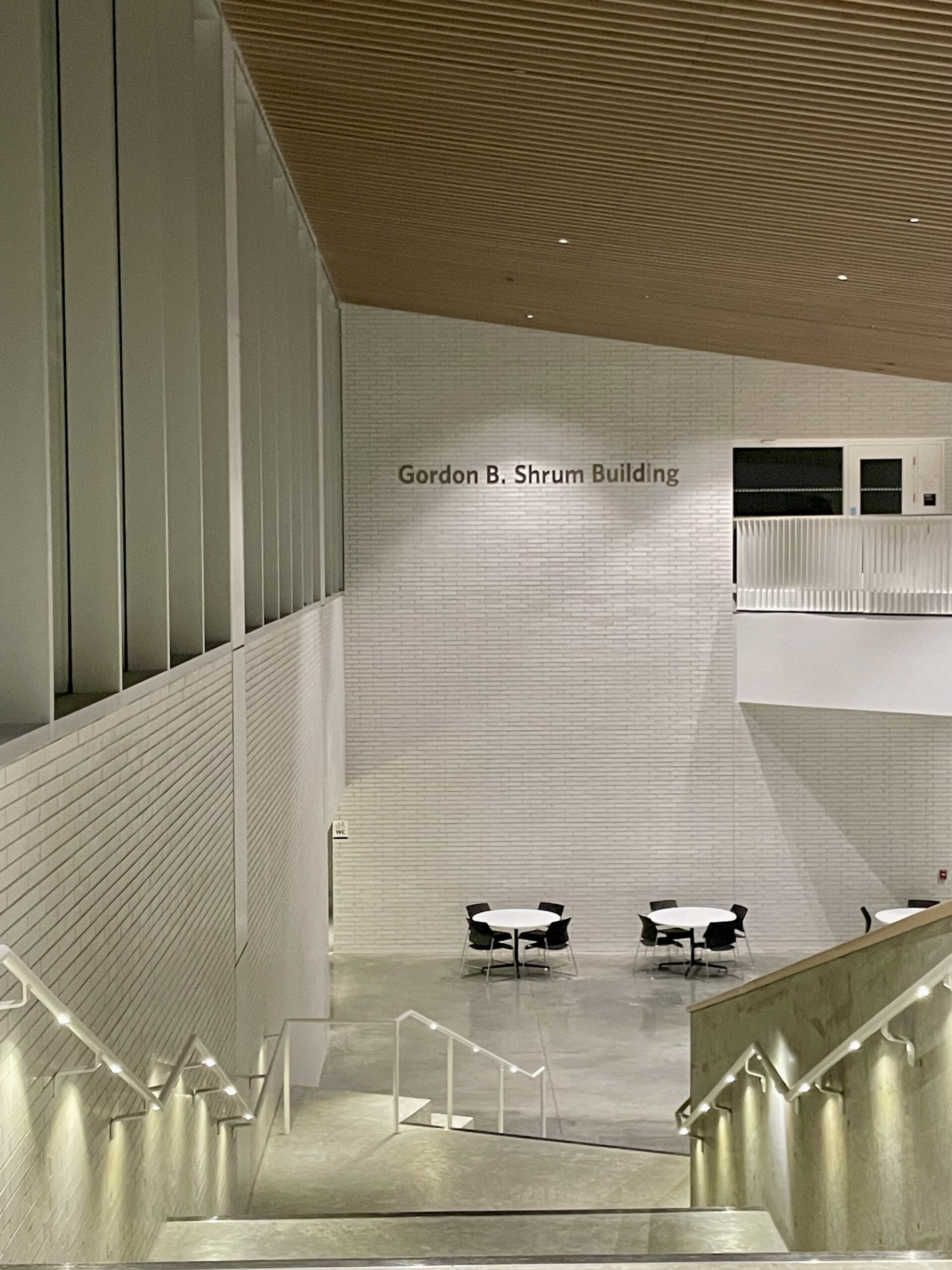
On April 7, 2025, the University of British Columbia officially opened the Gordon B. Shrum Building, the new home of the School of Biomedical Engineering. As Canada’s first purpose-built facility for biomedical engineering, the building brings together researchers, students, and industry partners under one roof to
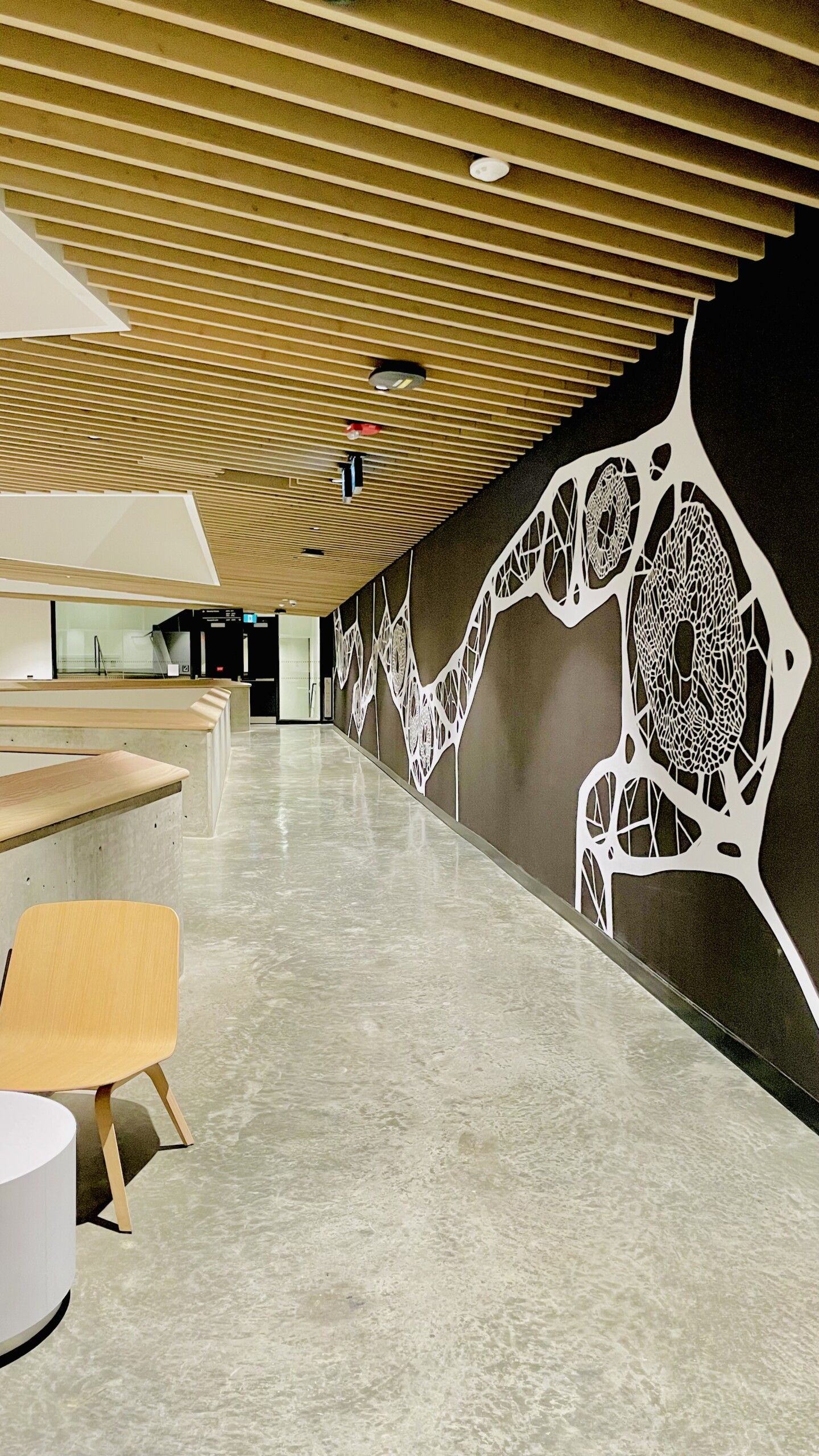
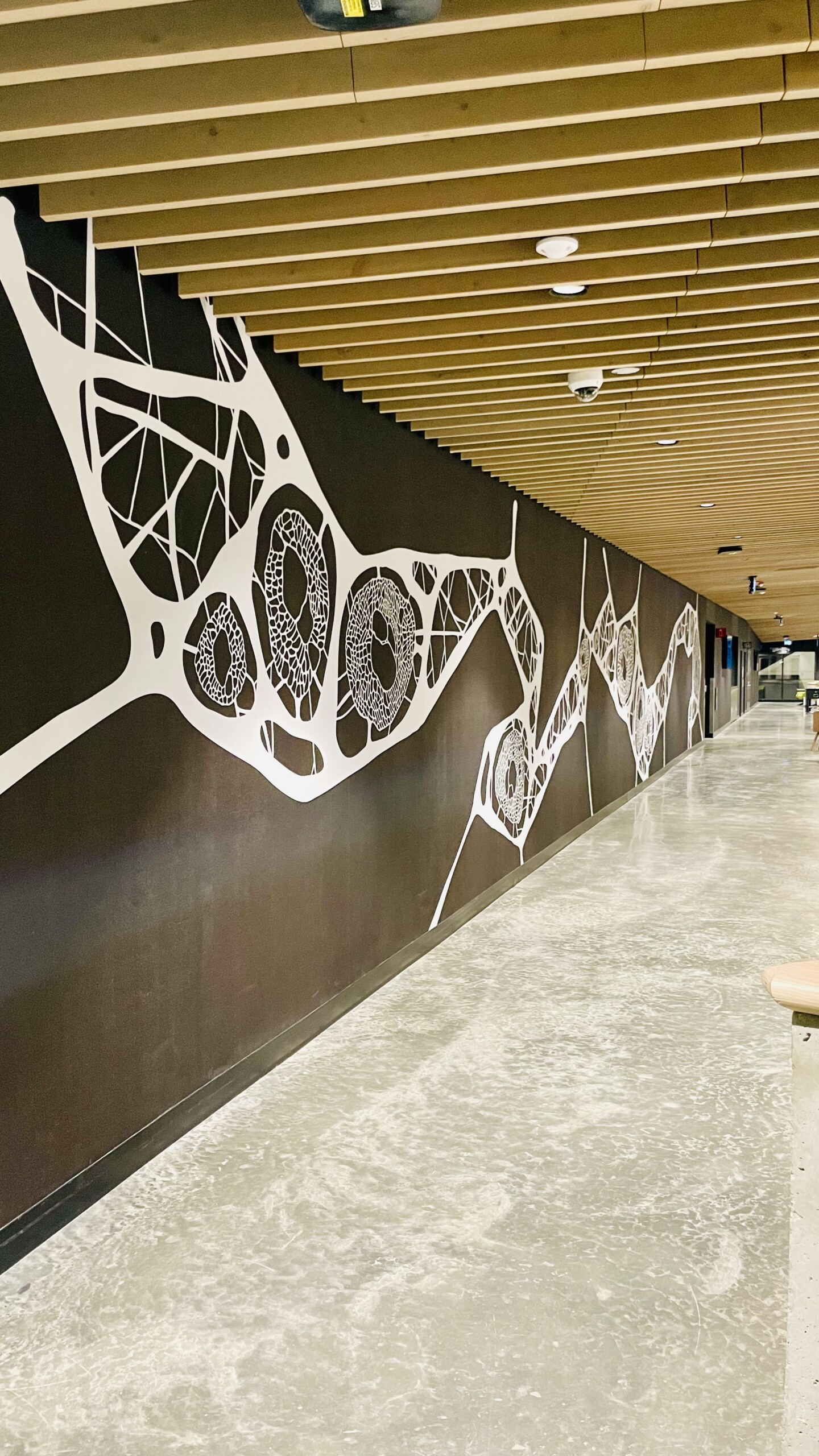
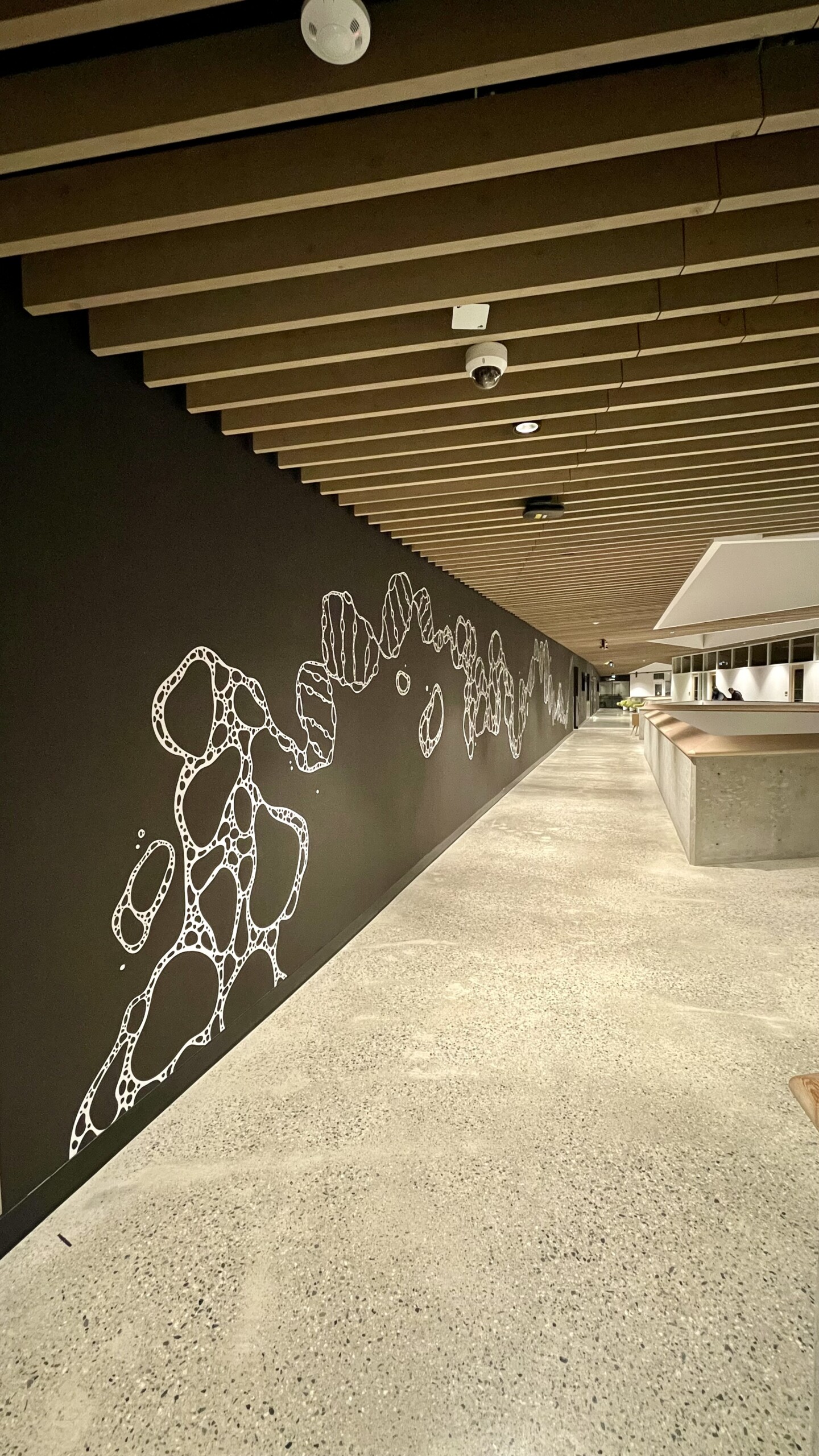
advance biomedical research, education, and innovation. The five-storey, 158,000-square-foot facility features specialized laboratories, collaborative research spaces, and modern teaching environments designed to support innovation in biomedical engineering and the life sciences. A prominent visual centerpiece of the building is a four-storey mural that represents the multiscale nature of research, illustrating how biology, medicine, and engineering intersect to advance
human health.
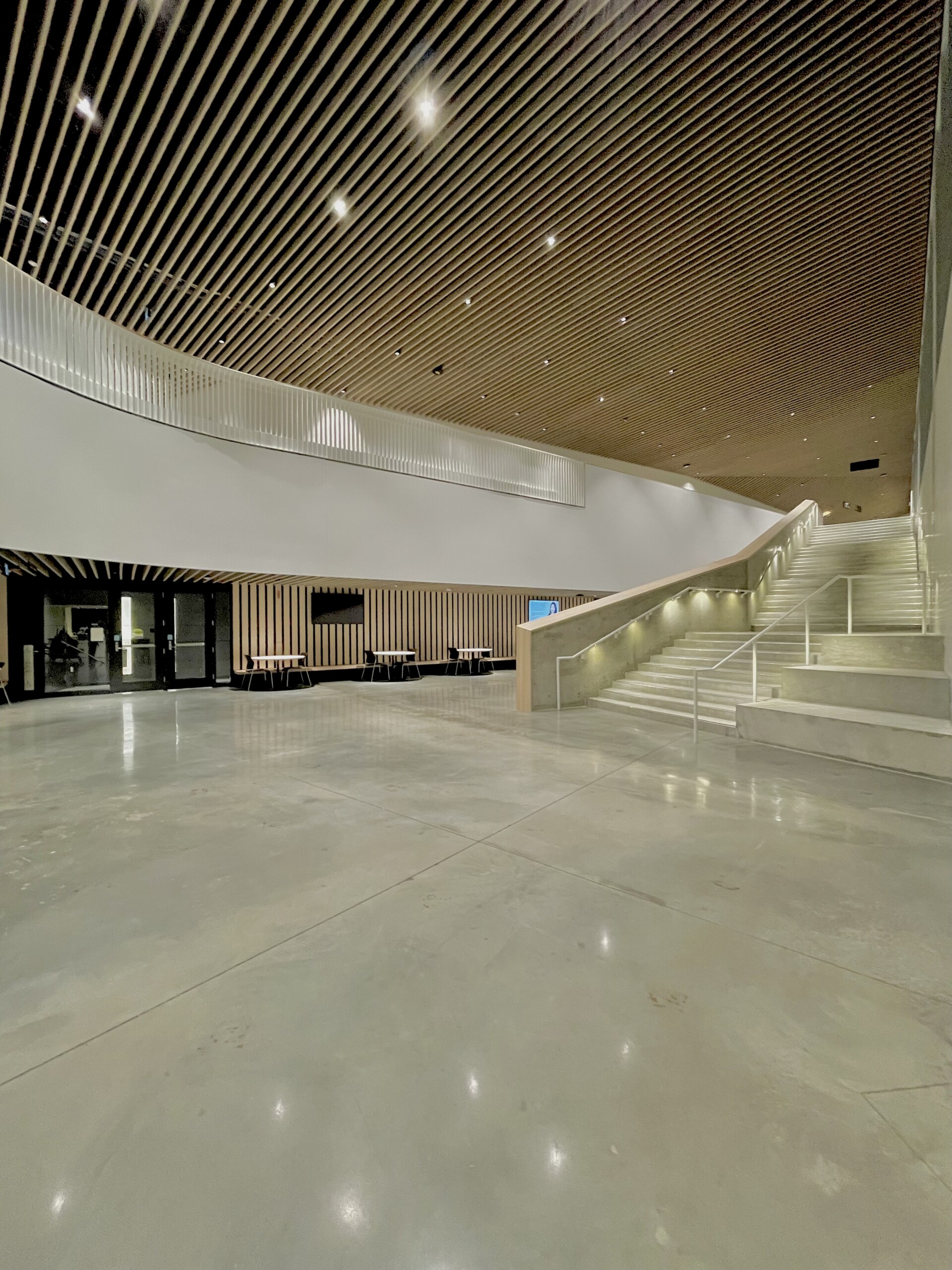
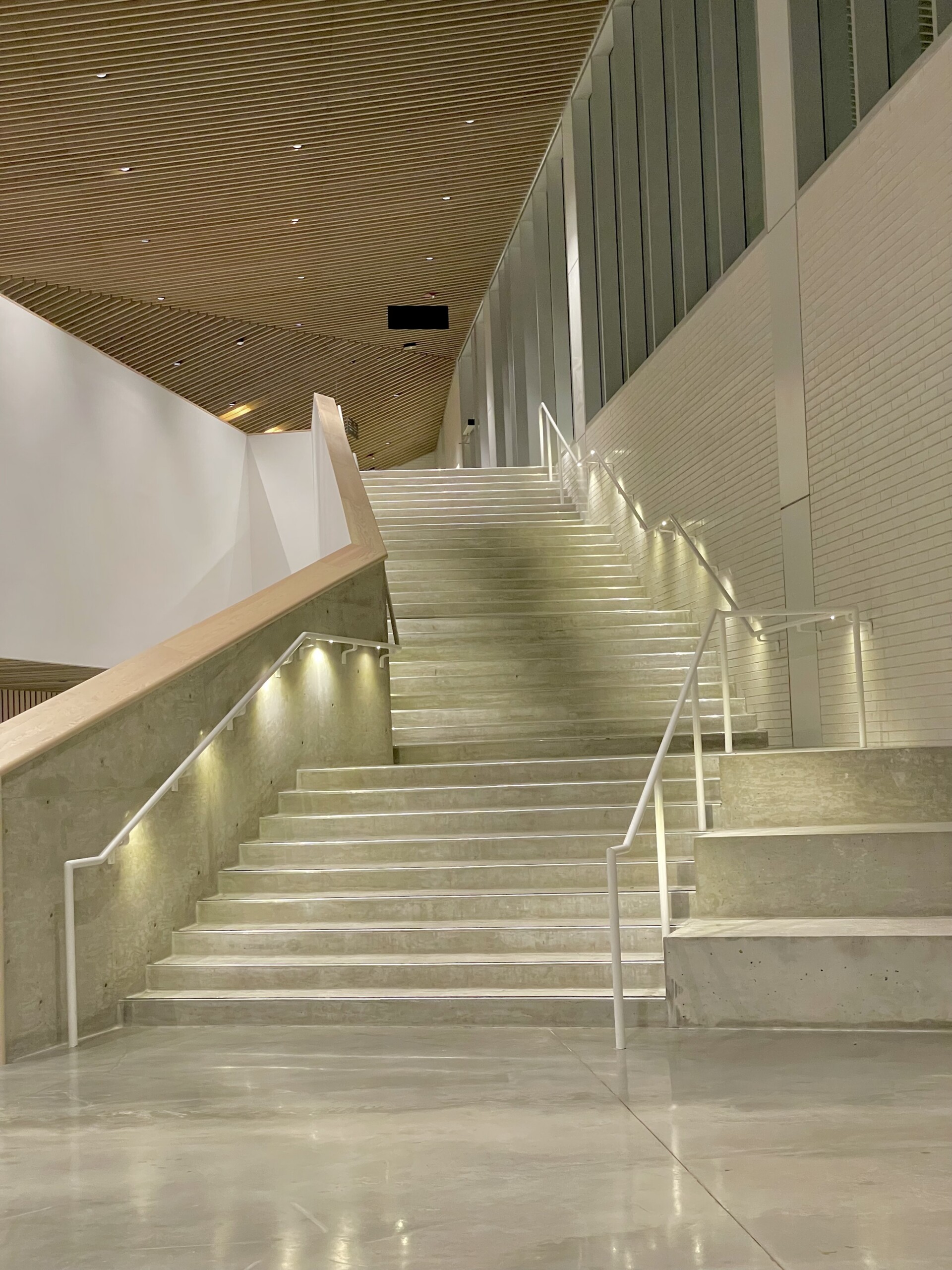
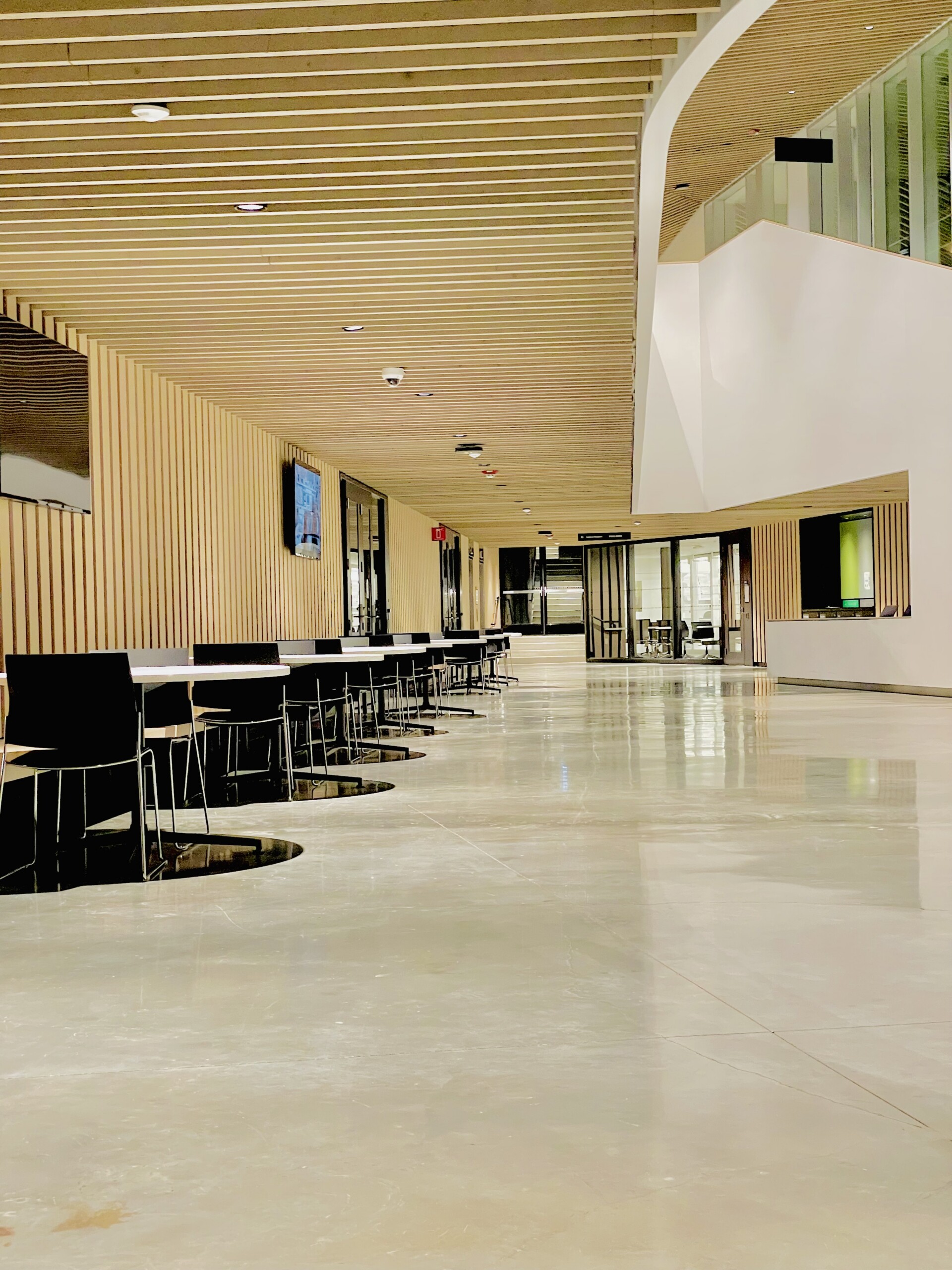
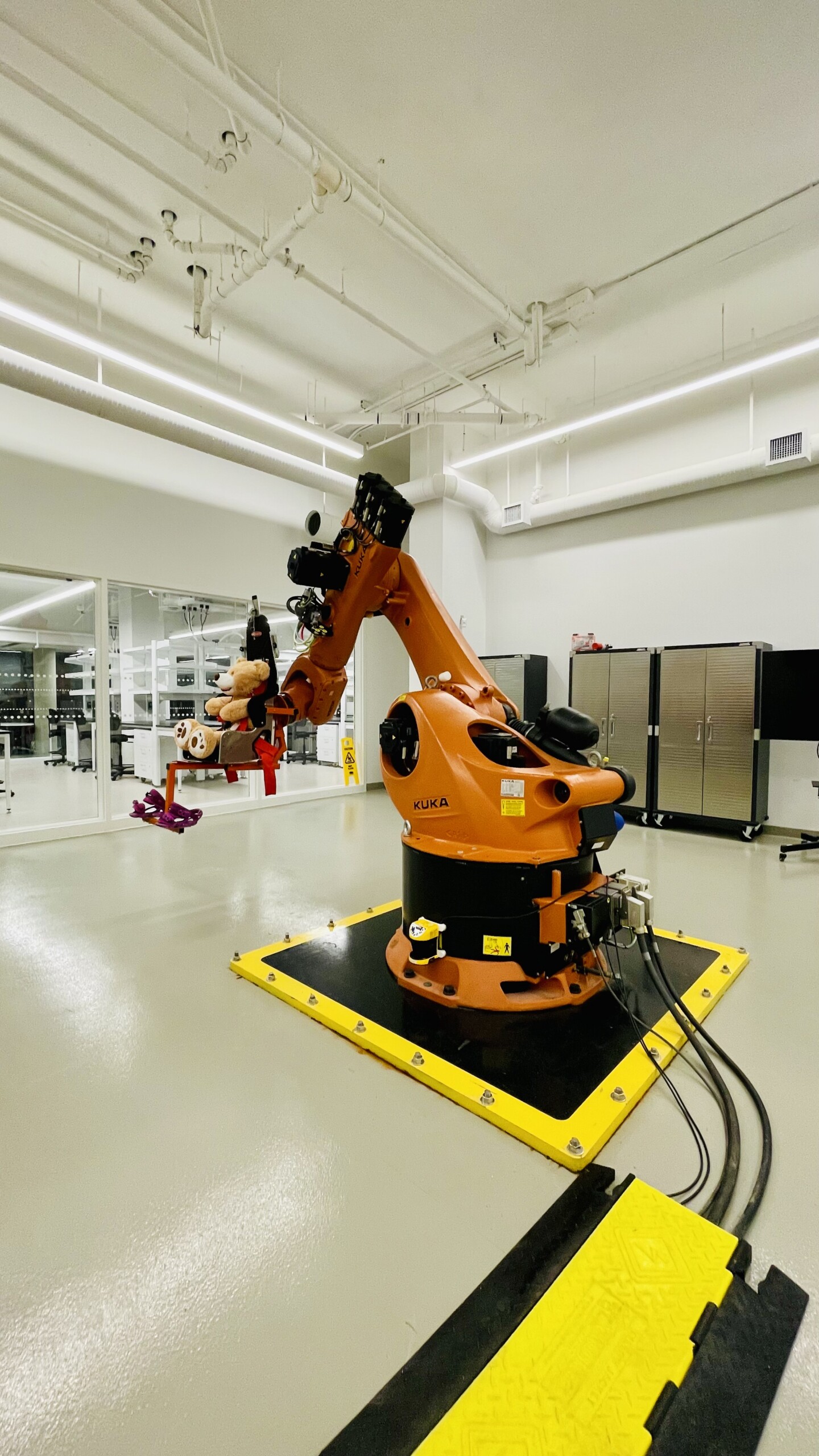
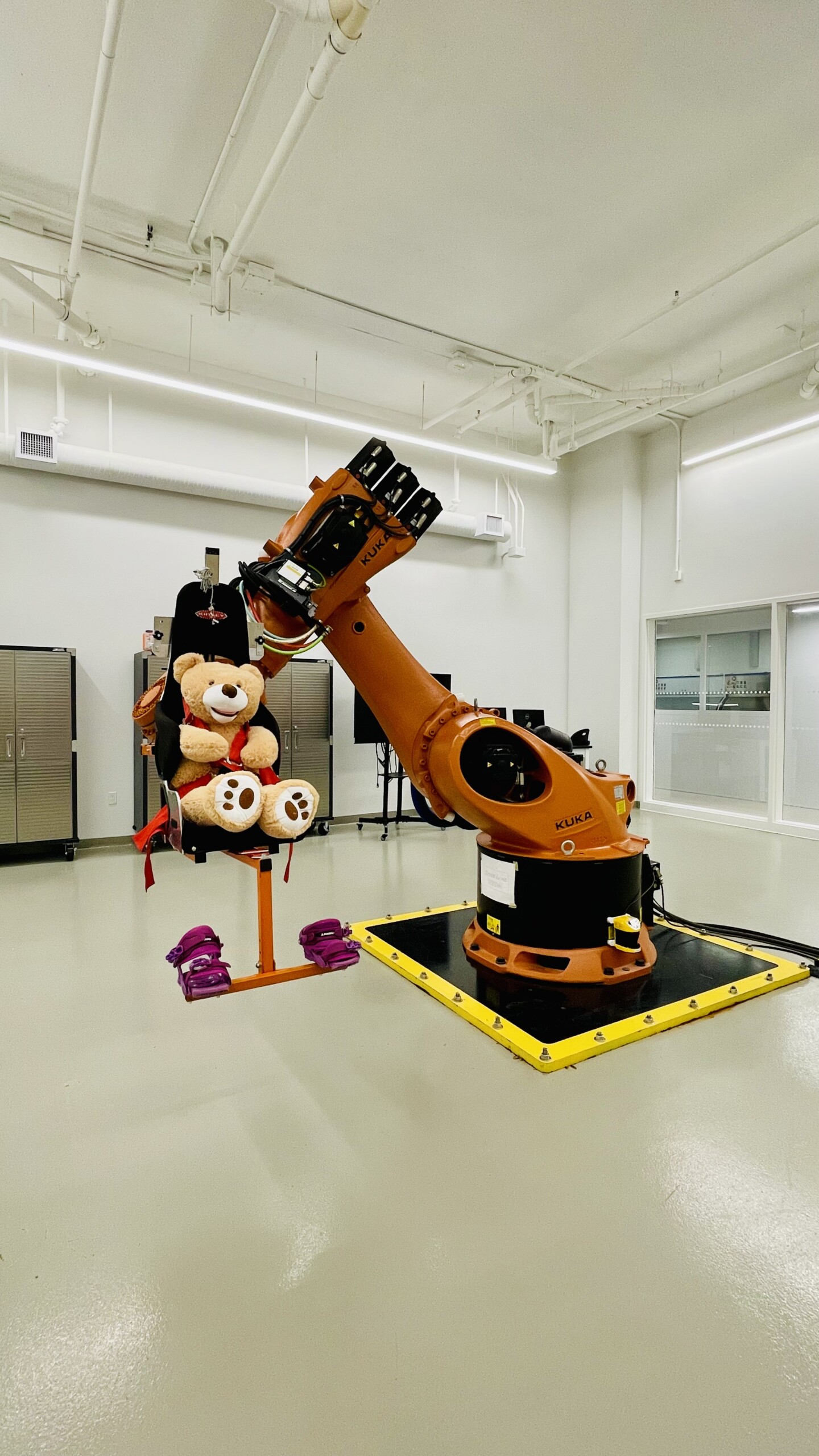
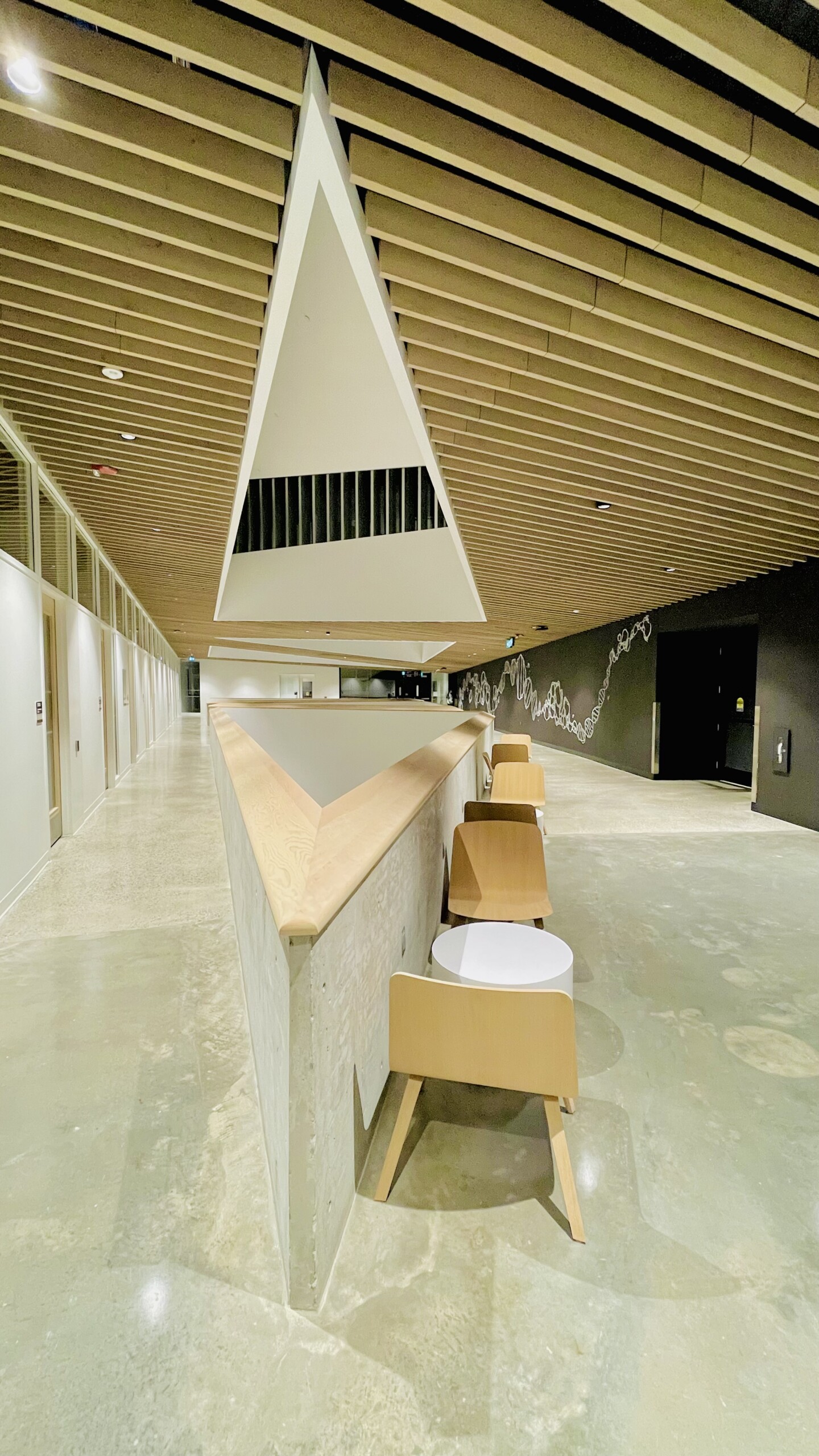
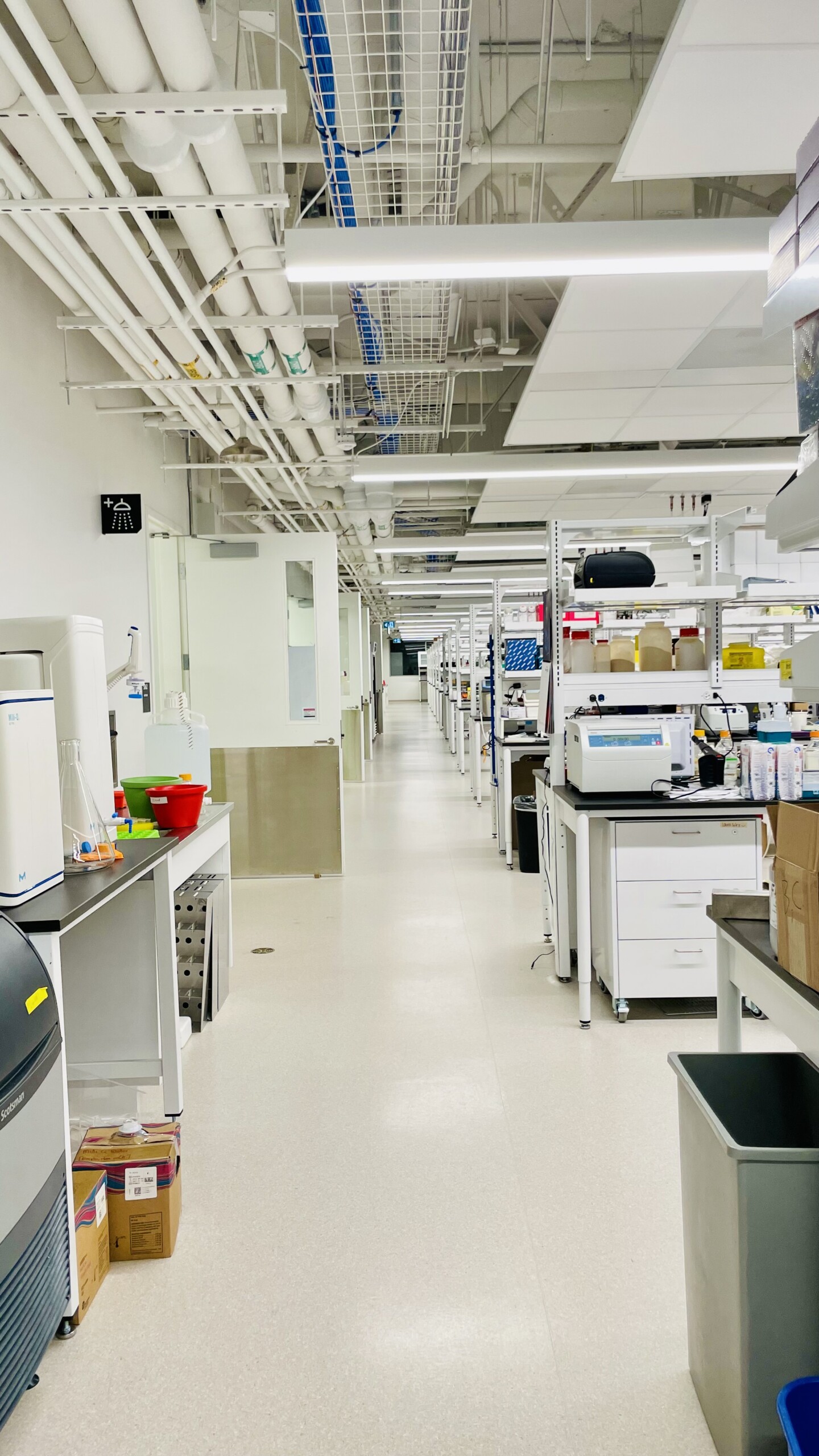
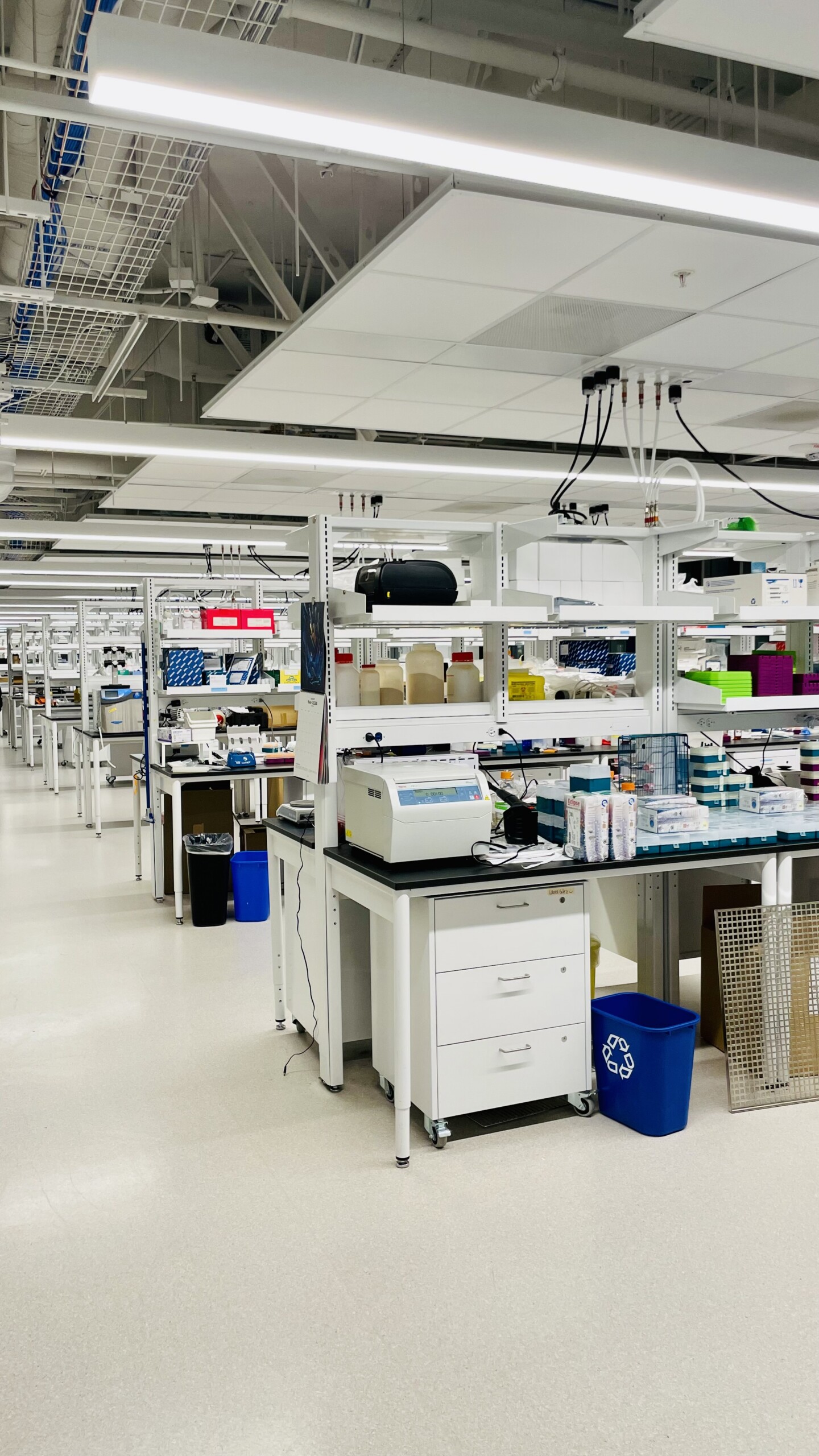
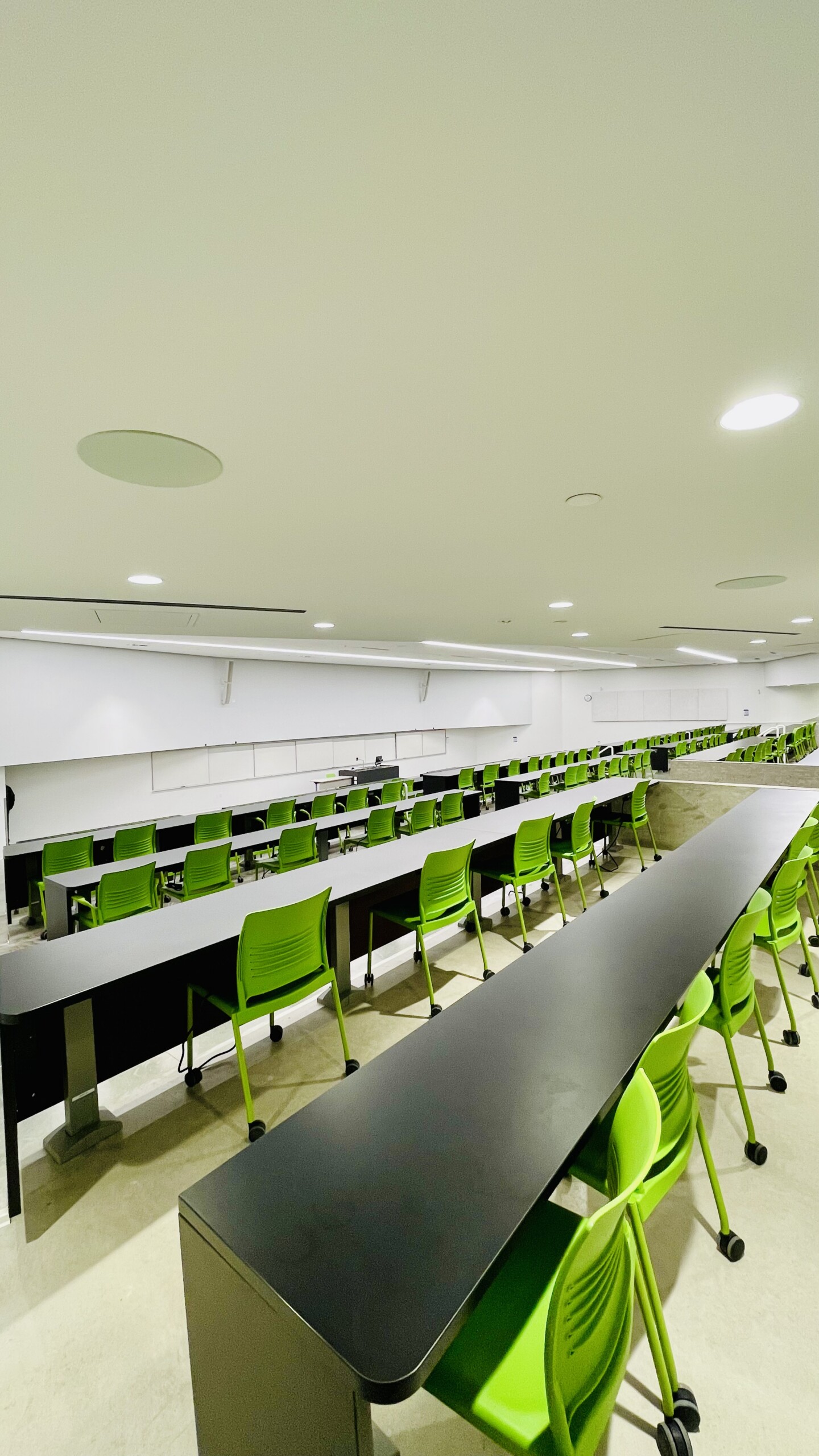
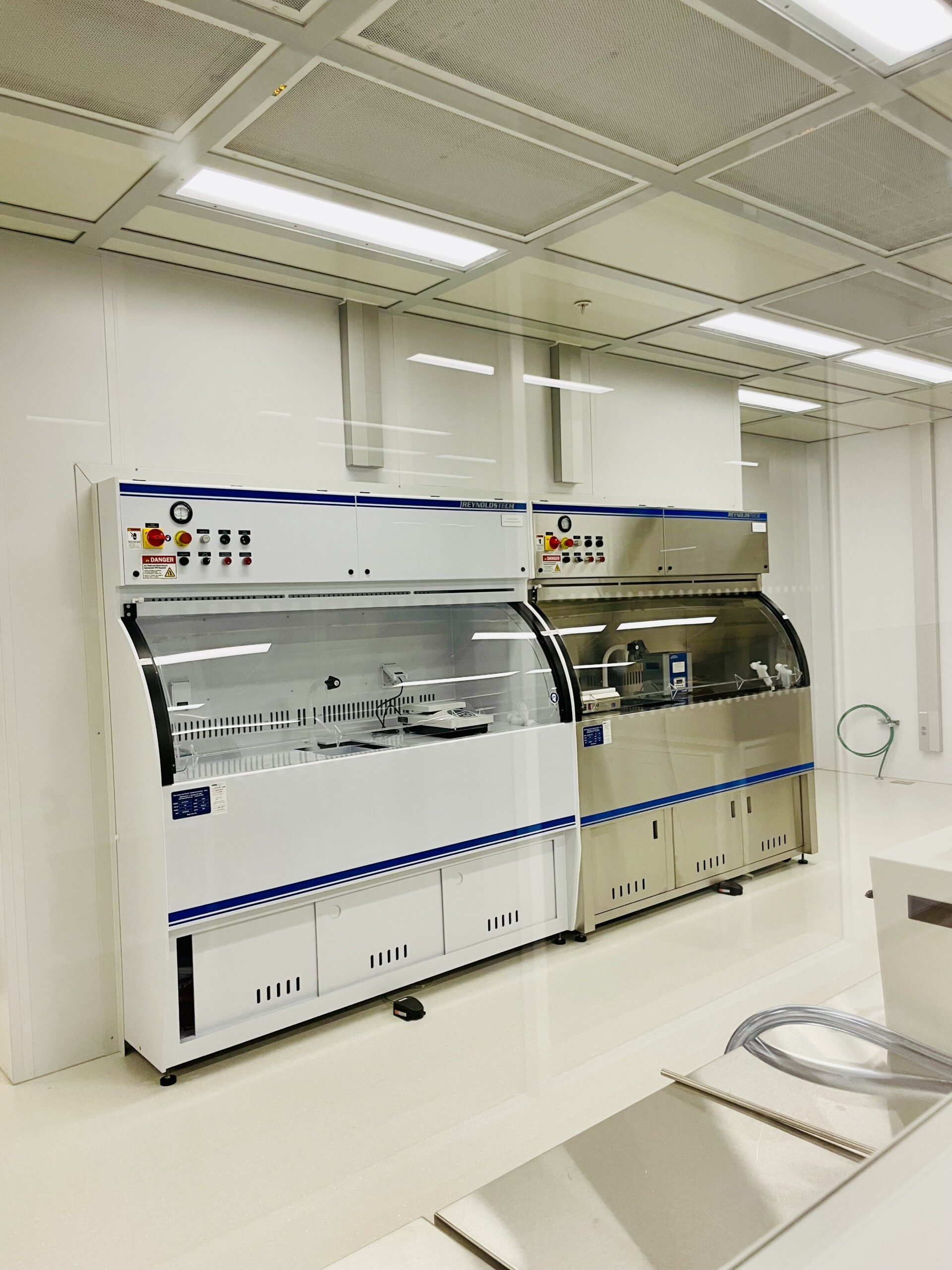
Additional design elements include an open atrium, extensive natural lighting, polished concrete flooring that supports efficient custodial maintenance, oak wood finishes throughout, ergonomic seating in common areas, and inclusive, accessible washrooms. The Custodial Services team consists of eight staff members who maintain the building throughout both day and night operations. The team is responsible for cleaning and maintaining a wide range of spaces, including research laboratories, lecture theatres, meeting rooms, administrative offices, wet labs, and biomechanics labs.
Guided by our vision to be global leaders in exemplary services and outstanding customer service, we are committed to providing a clean, safe, and welcoming learning environment for students, faculty, and researchers.
What specific measures do you or your team implement to ensure this space meets the highest standards of cleanliness and embodies the value of clean?
Guided by our CIMS Green Building Certification, Custodial Services employs a structured, evidence-based approach that combines advanced technology, sustainable cleaning practices, and a strong commitment to occupant health and wellbeing.
Structured Cleaning and Disinfection Protocols ensure consistency and accountability across all spaces. Advanced work-loading software is used to align cleaning frequencies and tasks with defined APPA standards, providing standardized service delivery campus-wide. Cleaning effectiveness is verified through regular audits using the INSTA 800 cleanliness standard, a results-based inspection system that objectively measures surface cleanliness. INSTA quality levels are directly mapped to APPA standards ensuring measurable outcomes and continuous quality improvement.
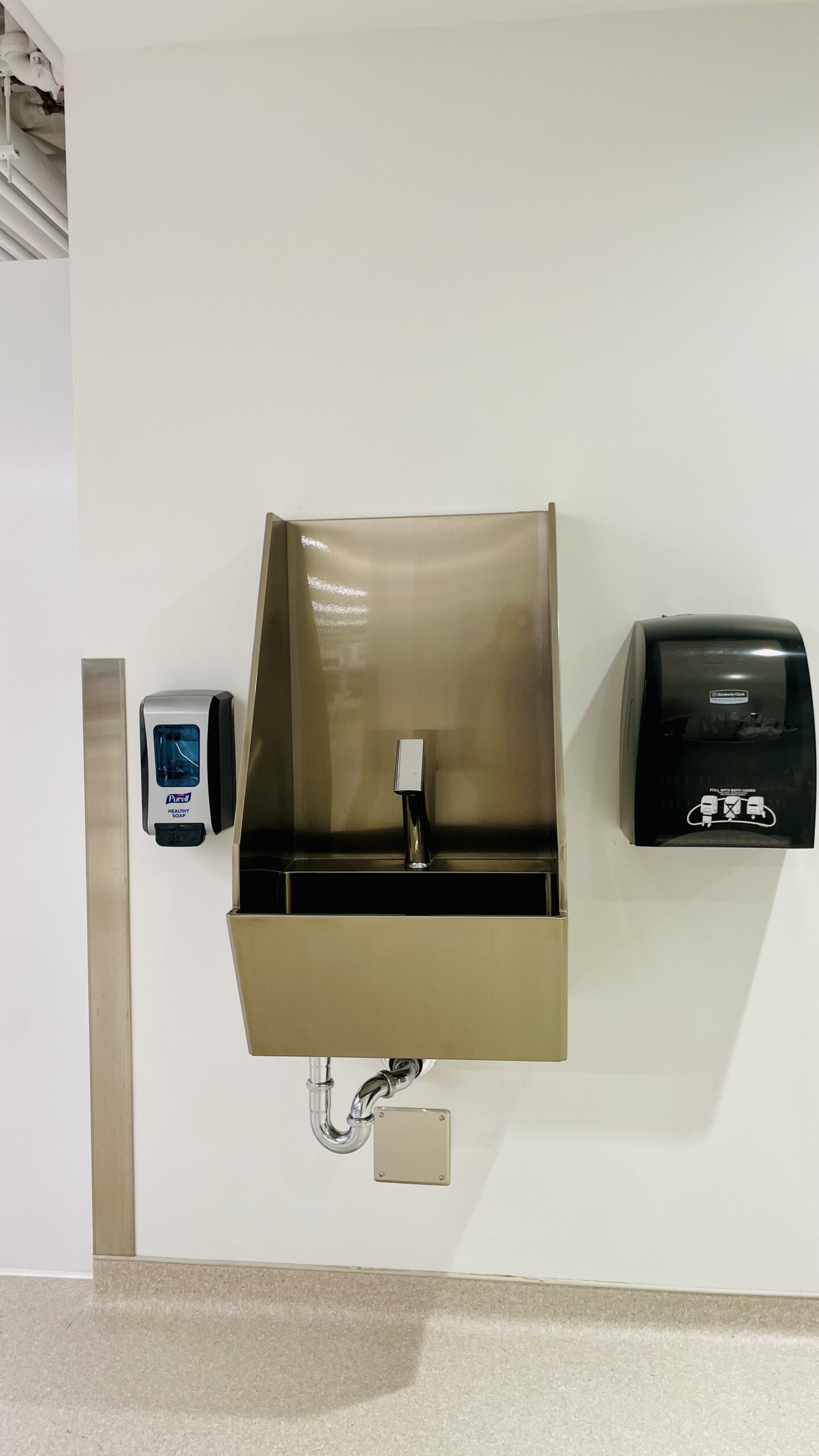
Targeted cleaning practices further support health and safety. High-touch surfaces such as door handles, elevator buttons, and sink fixtures are sanitized daily. In addition, structured seasonal and monthly deep-cleaning schedules address vents, carpets, hard surface floors, and other hard-to-reach areas. Specialized tasks—including high dusting, window cleaning, and lamp replacement—are completed by a dedicated Utility Worker team, ensuring all spaces are maintained to the highest standard.
Custodial Services reinforces excellence through verified quality assurance and transparency. Equipment maintenance is tracked year-round, and cleaning outcomes are validated using 3M Clean-Trace surface testing, which provides real-time data on contamination levels. This ensures cleaning is effective rather than cosmetic. Every assignment is formally audited at least once per quarter, with additional audits conducted in response to user feedback or identified risk areas. Audit results and key performance indicators—such as response times and backlog management—are reviewed regularly to drive continuous improvement.
The team also leverages advanced tools and environmentally responsible products to support superior outcomes. Professional-grade, Green Registered disinfectants are carefully selected to match surface materials, ensuring maximum efficacy while protecting building finishes. Indoor air quality is prioritized through the use of HEPA-filtered, CRI-approved vacuum equipment that meets strict noise standards. Disposable dust cloths are used during floor care to reduce airborne particulate and enhance indoor environmental quality.
Equally important is how Custodial Services embodies the value of clean through its people and practices. Cleaning is treated as a skilled profession, with all staff completing mandatory, ongoing training in safety, equipment use, and advanced cleaning techniques, formally tracked through UBC systems. The team supports community wellbeing by ensuring consistent access to high-quality hygiene supplies and by integrating sustainability into daily operations. Custodial Services also plays an active role in waste-stream planning and compliance, working closely with Campus & Community Planning and UBC Sustainability. Together, these measures demonstrate a commitment not only to maintaining exceptionally clean spaces, but to delivering excellence, accountability, and care in every aspect of the built environment.
What does having a spotless space mean to you and your team and how does it contribute to the organization’s business outcomes?
To our team, a spotless space is not defined by appearance alone—it is the outcome of a disciplined, standardized, and verifiable service delivery system. A spotless environment means every space is cleaned to a defined quality level using documented work plans, standardized task procedures, and industry-accepted workloading methodologies. It reflects consistency, accountability, and respect for the people who learn, work, and conduct research in our facilities.
Through our CIMS-certified Service Delivery Plan, cleaning outcomes are supported by data-driven workloading, detailed task lists for over 100 space types, and written work plans that clearly define expectations for each area. This ensures high-touch surfaces, restrooms, floors, and critical spaces are maintained consistently across all building types and uses. Standardized procedures ensure performance is repeatable across shifts, teams, and locations.
This approach directly contributes to UBC’s business outcomes. Health and productivity are supported through hygienic environments that reduce contamination risks and support occupant wellbeing. Reputation and trust are strengthened as clean, orderly spaces demonstrate professionalism and institutional care to students, faculty, visitors, and auditors.
Standardized cleaning frequencies and preventive maintenance reduce soil buildup, extend the life of flooring and finishes, and lower long-term maintenance costs. Planned equipment maintenance, inventory controls, and standardized purchasing support reliable, cost-effective service delivery.
Finally, clean spaces reinforce employee pride and accountability. Clear expectations, structured workflows, and documented processes empower custodial staff to perform skilled work consistently and confidently.
How does your facility promote sustainability and/or green cleaning?
UBC Custodial Services promotes sustainability and green cleaning through a structured, data-informed approach guided by Custodial Green Cleaning Policy. These practices are embedded in our daily operations and aligned with UBC’s broader Environmental, Social, and Governance commitments.
Our Green Cleaning Policy reflects a commitment to reducing environmental impact while protecting the health of building occupants and custodial staff. The program is designed to minimize exposure to hazardous chemical, biological, and particulate contaminants that negatively affect indoor air quality, human health, building finishes, and the environment.
Cleaning products and tools must meet recognized third-party certifications such as Green Seal®, Safer Choice, or UL ECOLOGO, ensuring they are non-toxic, biodegradable, and responsibly manufactured. In addition, vendors are evaluated on life-cycle performance, with preference given to products made from recycled materials, reduced packaging, and concentrated formulas that lower transportation emissions and waste.
These principles are reinforced through operational integration. UBC Custodial Services uses advanced cleaning technologies such as microfiber systems, enzyme-based cleaners, and electrostatic tools, which significantly reduce water use and eliminate the need for harsh, VOC-heavy chemicals. Entryway matting systems are strategically installed and maintained to reduce soil and pollutants entering buildings, improving indoor air quality and lowering cleaning demand across interior spaces.
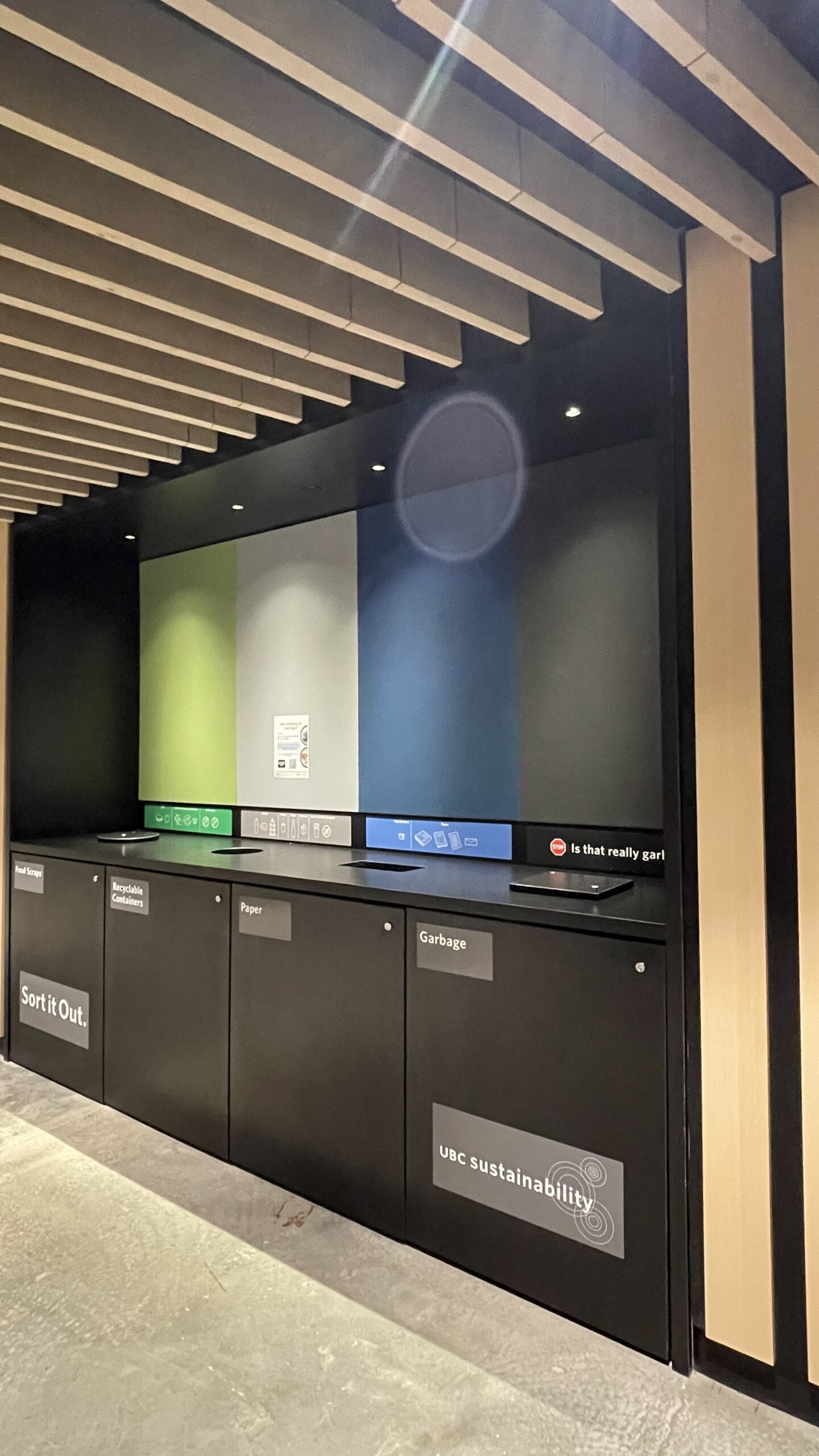
Waste reduction is another key focus. The My-Waste Desk Program encourages individual accountability and supports multi-stream waste diversion, including food scraps, paper, containers, and landfill waste. At the School of Biomedical Engineering, UBC’s Sort It Out waste stations help ensure materials are reused and diverted from landfill whenever possible.
Additional sustainability measures include the use of biodegradable garbage bags, 100% recycled paper products, and portion-controlled chemical dispensing systems to prevent overuse. Ergonomically designed equipment and color-coded microfiber systems further reduce environmental impact while protecting worker safety and preventing cross-contamination.
Together, these practices demonstrate how UBC Custodial Services integrates sustainability into procurement, cleaning methods, and daily decision-making—supporting healthier buildings, responsible resource use, and the university’s long-term sustainability goals.
Give any examples of how you aim to create an inclusive and accessible experience in your facility for users and cleaners
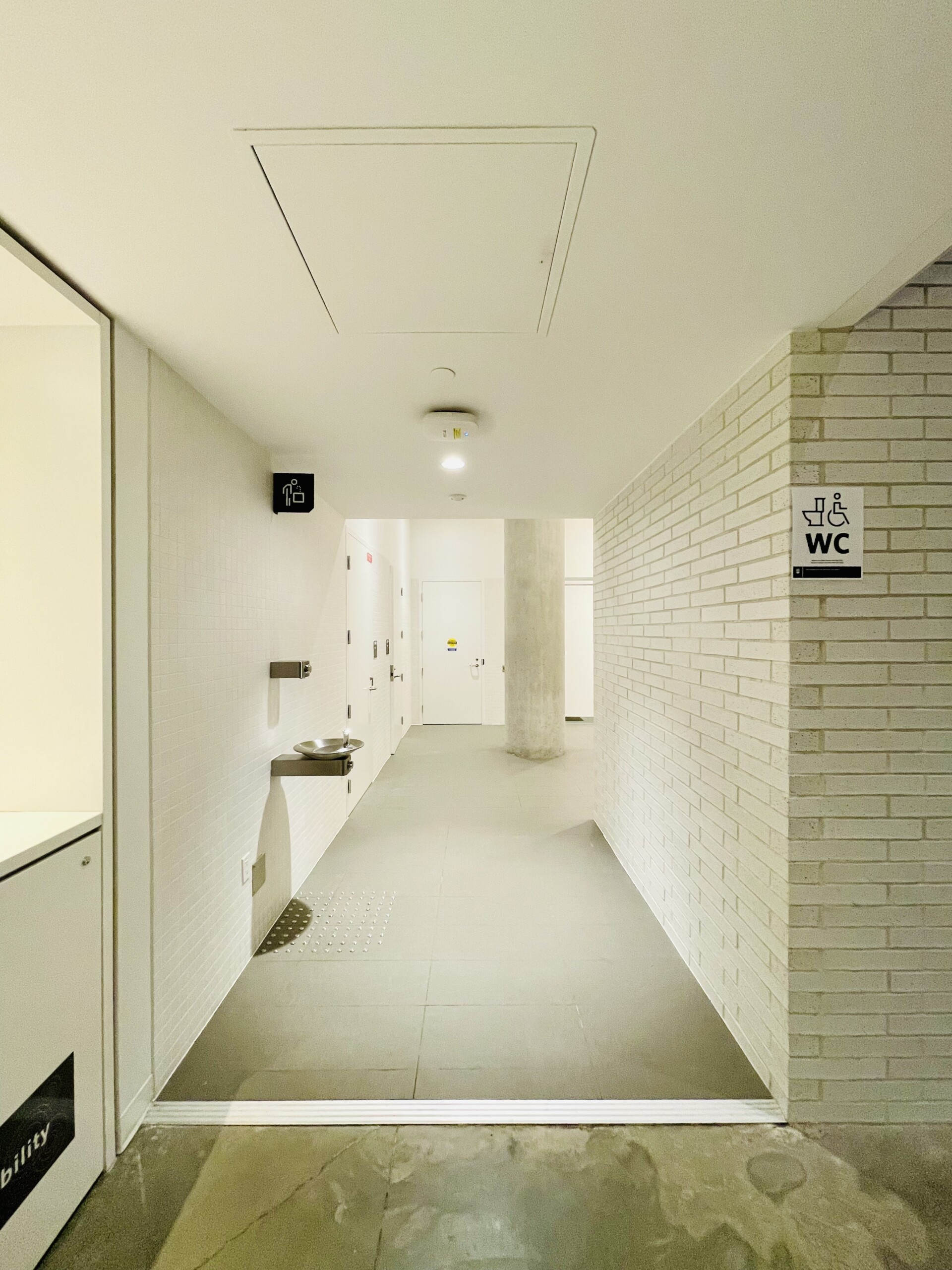
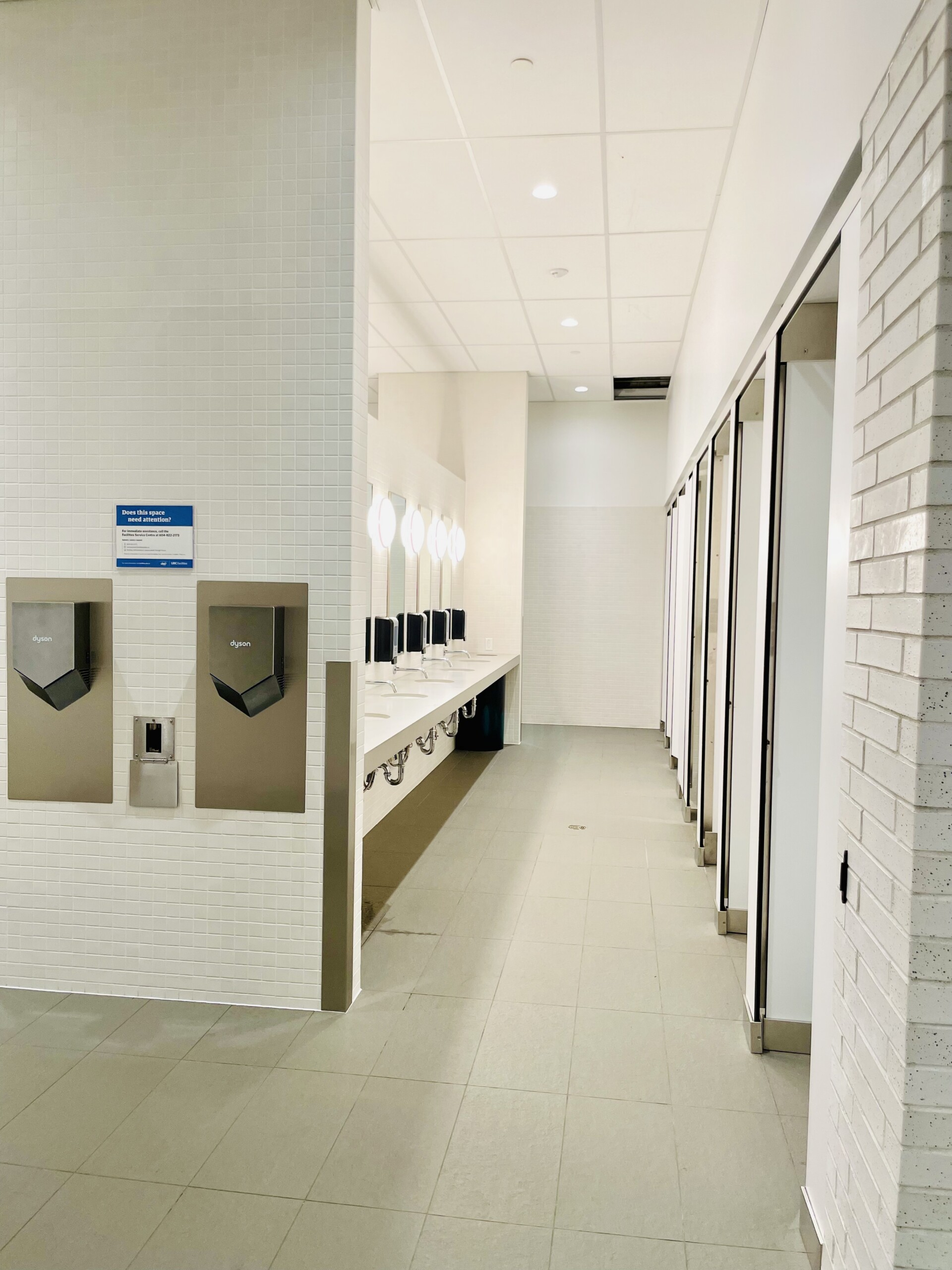
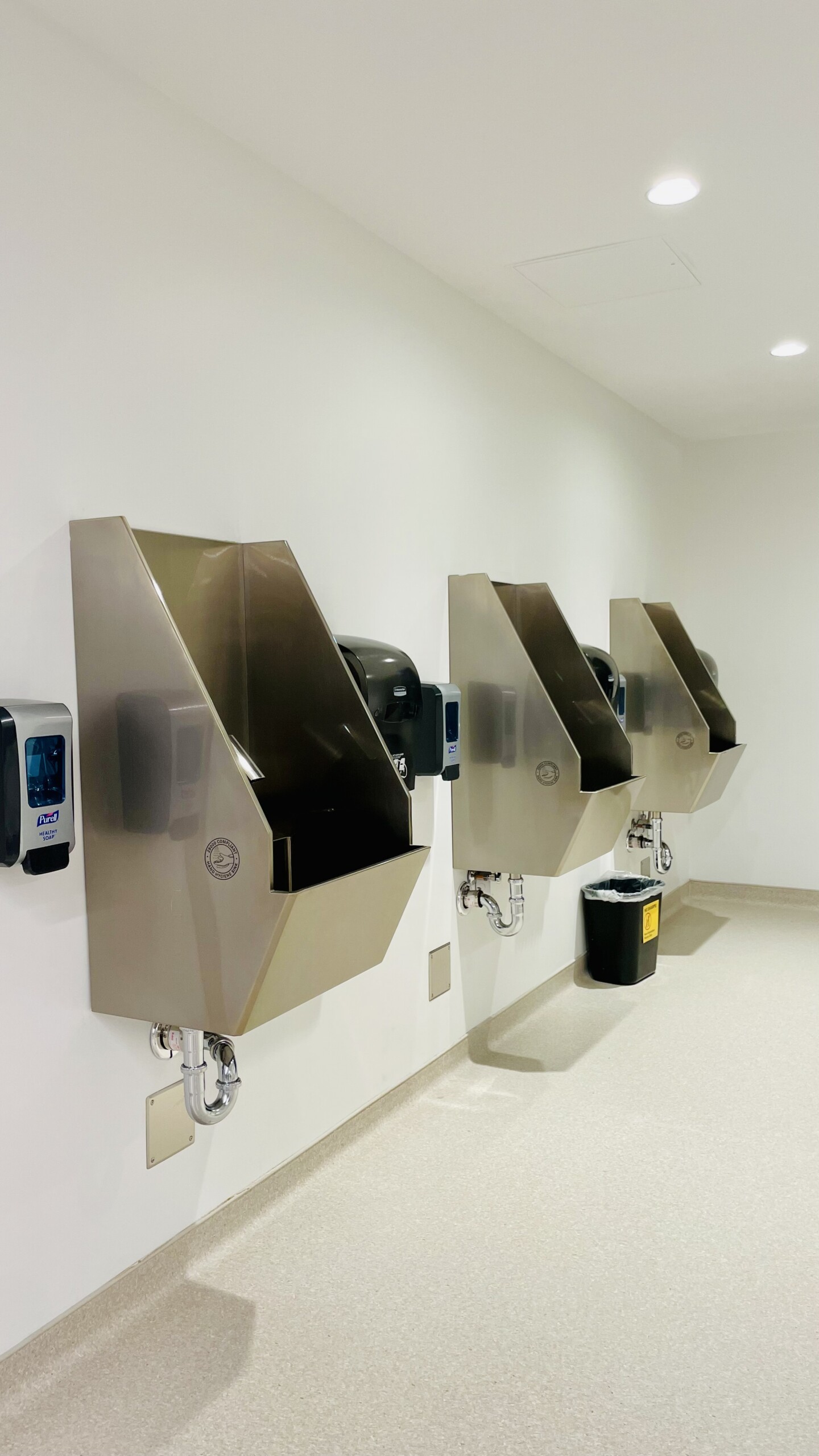
UBC Custodial Services views inclusivity as a dual commitment to the campus community and the frontline staff who maintain it. For menstruators, we provide free products and in-stall sinks for private hygiene, while caregivers benefit from universal changing tables and wide, stroller-friendly stalls. We foster a safe environment through well-lit, private restrooms. Our infrastructure removes physical barriers via electronic lifts in lecture theatres, curbless showers, and tactile braille signage, complemented by low-stimulation quiet zones for neurodivergent users and gender-neutral washrooms that offer a safe, private option for all identities.
A truly inclusive facility must be maintainable without compromising worker health. UBC Custodial Services reduces physical strain through hygienic design, utilizing wall-hung fixtures and grout-free surfaces that eliminate repetitive bending and heavy scrubbing. We empower our frontline by providing ergonomic equipment, such as extended-reach swabs, taller mop handles, and specialized access carts for safe waste transport. Central to our responsiveness is our 24-hour service center and emergency line, paired with anonymous digital feedback tools. This allows us to respond to real-time facility needs and user requests instantly, ensuring our maintenance standards are continuously informed by those with lived experiences. By integrating accessibility into our initial procurement, we ensure a “Spotless Space” is a welcoming, safe, and sustainable environment for every user and cleaner.