International Cleaning Week
Spotless Spaces Competition Finalist

Los Angeles County Metropolitan Transportation Authority
Facility Manager
Describe your Spotless Space.
Mission: Provide a safe, clean, and reliable transit system
Space: L.A. Rail Transit System (rail transit station)
What specific measures do you or your team implement to ensure this space meets the highest standards of cleanliness and embodies the value of clean?
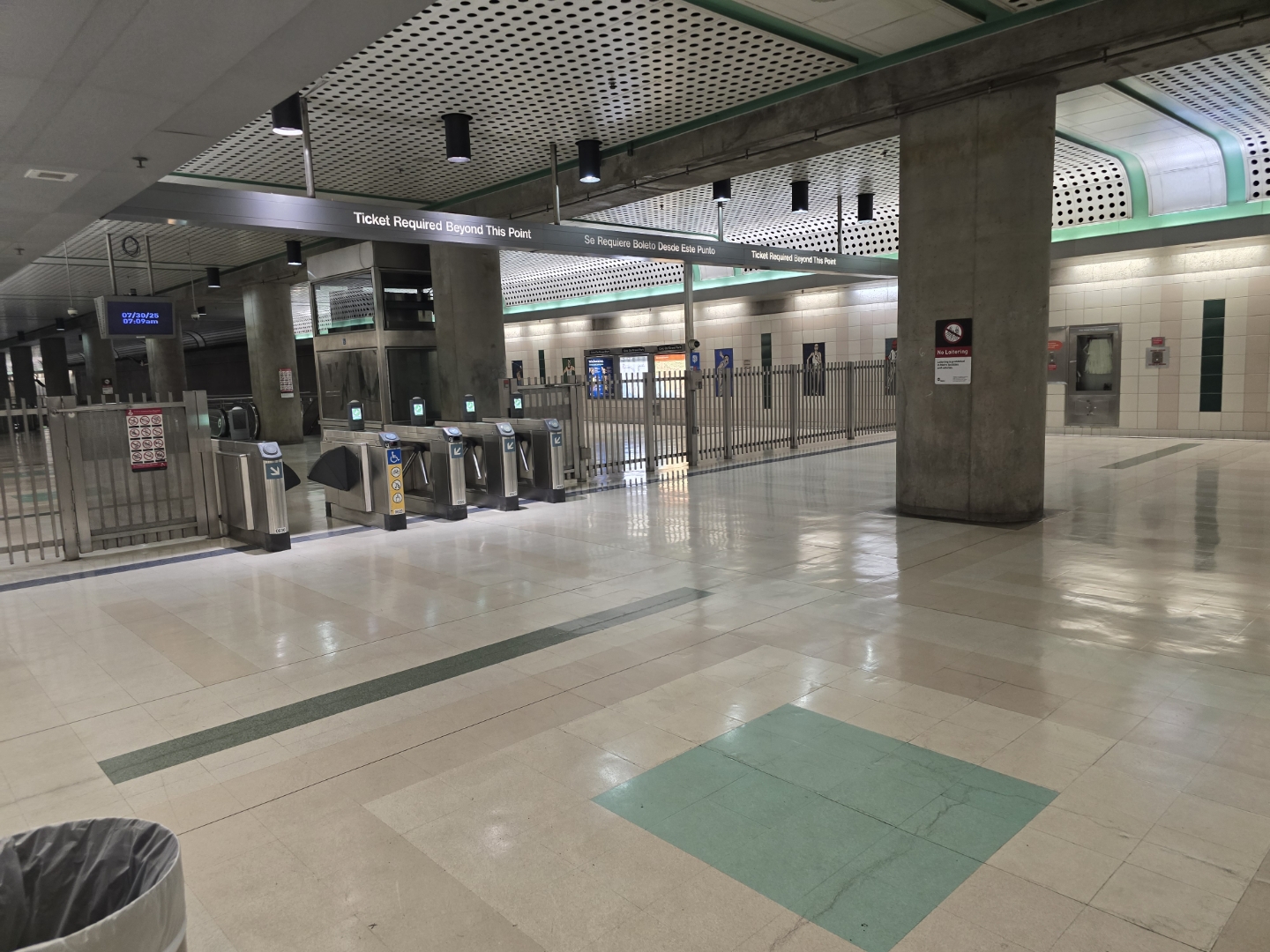
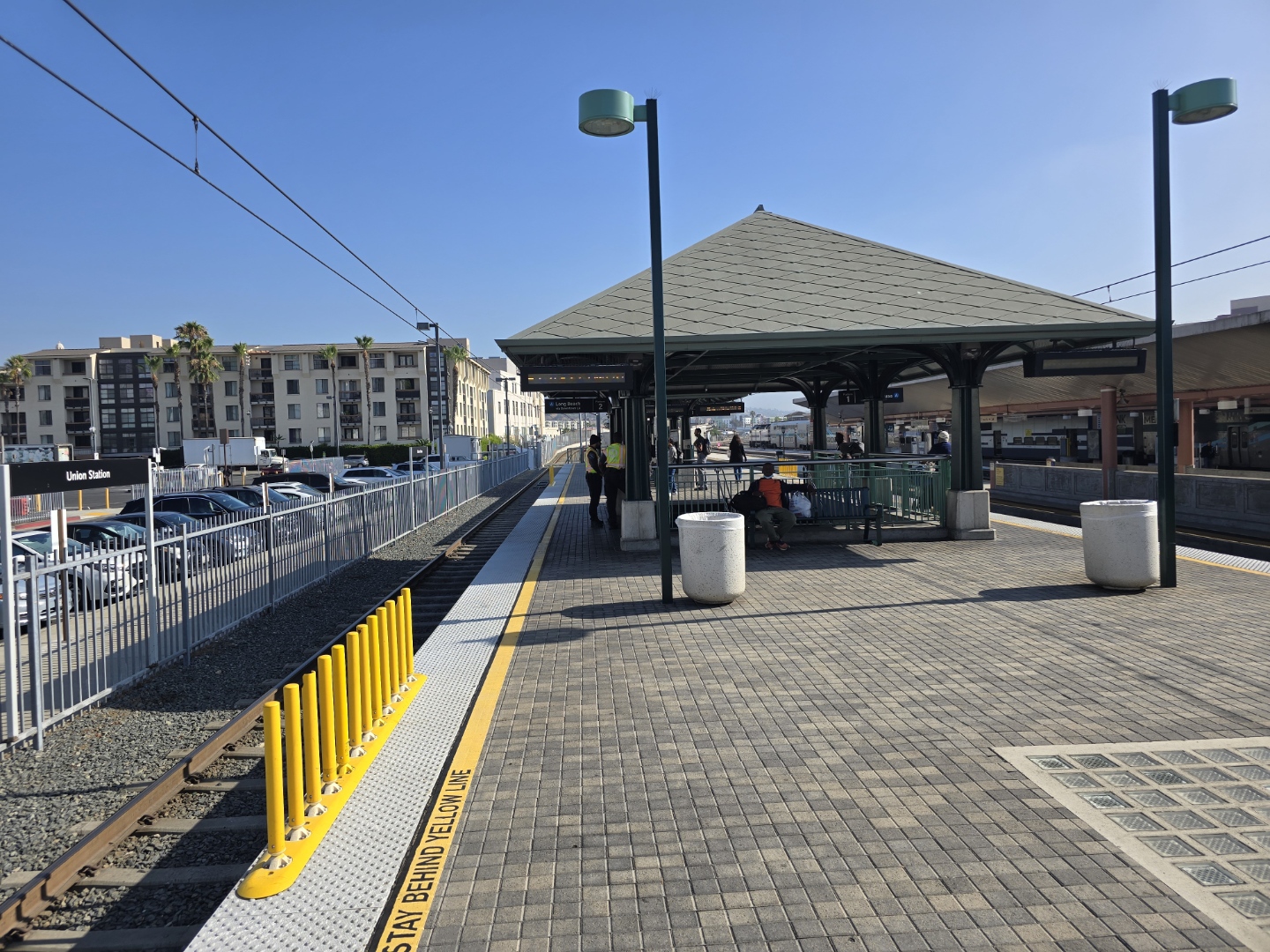
Our spotless space is focused on our Los Angeles Rail Transit System, the underground station (subway) Emergency Exit Corridors, and our Unhoused Persons challenges (LA is ground zero for the unhoused crisis).
The Los Angeles Metro Transit Custodians operate 24/7 and are responsible for maintaining a 27-story high-rise building, 11 bus operating divisions, 7 rail operating divisions, 2 emergency and operations control centers, 4 maintenance-of-way facilities, 4 customer service centers, and 150+ rail and bus stations, and transit centers.
Notably, we are preparing for the February 2026 NBA All Star Game, June to July 2026 FIFA World Cup, February 2027 NFL Super Bowl, and the 2028 Summer Olympic and Paralympic Games.
To ensure we are prepared and successful by moving tens of thousands of tourists attending the games and touring the greater L.A. area and everything L.A. has to offer, and while still transporting nearly 1 million daily riders, we took a few steps to measure our performance.
- We conducted a full system inspection and assessment of our operations.
- We hired a consultant to inspect our stations.
- We hired another consultant to review our incident and trouble ticket backlog.
- We toured Disneyland and LAWA (LAX Airport) to measure our results against high-traffic peer businesses.
- We partnered with our local reps from Veritiv and Waxie to test and implement new and improved products, and efficacy testing.
Based on our findings, we learned that our high-rise building and bus and rail operating division cleaning were in line with what is needed for success. However, we also learned that public facing facilities such as the 150+ bus and rail stations, and transit centers, and the underground station emergency exit corridors were in dire need of improvement.
Specifically, we identified an immediate need in the following areas:
- Our staffing levels needed an increase.
- Our cleaning frequencies needed an increase.
- Our cleaning products needed improvement.
- Our PPEs needed an update.
- Our SOPs needed an update.
- Our cleanliness plan needed an update.
We took immediate action and rolled out the following:
- We met with the unions, introduced our plan, and earned their partnership.
- We met homeless outreach teams, security and law enforcement, and partnered with them to address loitering and trespassing issues.
- We updated our cleanliness plan and highlighted all the frequencies needed to meet cleanliness demands.
- We partnered with our Safety department to ensure the cleaning products needed were SDS approved and compatible with our cleaning operations.
- We procured the cleaning products, equipment, and PPE needed and phased out the old.
- We updated our SOPs and retrained staff.
- Through our Chief Operations Officer and Deputy Chief Operations Officer we requested additional staffing and introduced the new and improved cleanliness plan to our Chief Executive Officer.
As a result, our CEO approved a staffing increase of 90 Custodians. In total, we had 433 Custodians with 316 Custodians assigned to the public facing sites such as our 150+ bus and rail stations, and transit centers. Thus, our numbers in the public facing sites increased to 406 Custodians and 523 overall.
We also increased our supervisors from 23 to 30, senior managers from 1 to 2, and added a new senior director position.
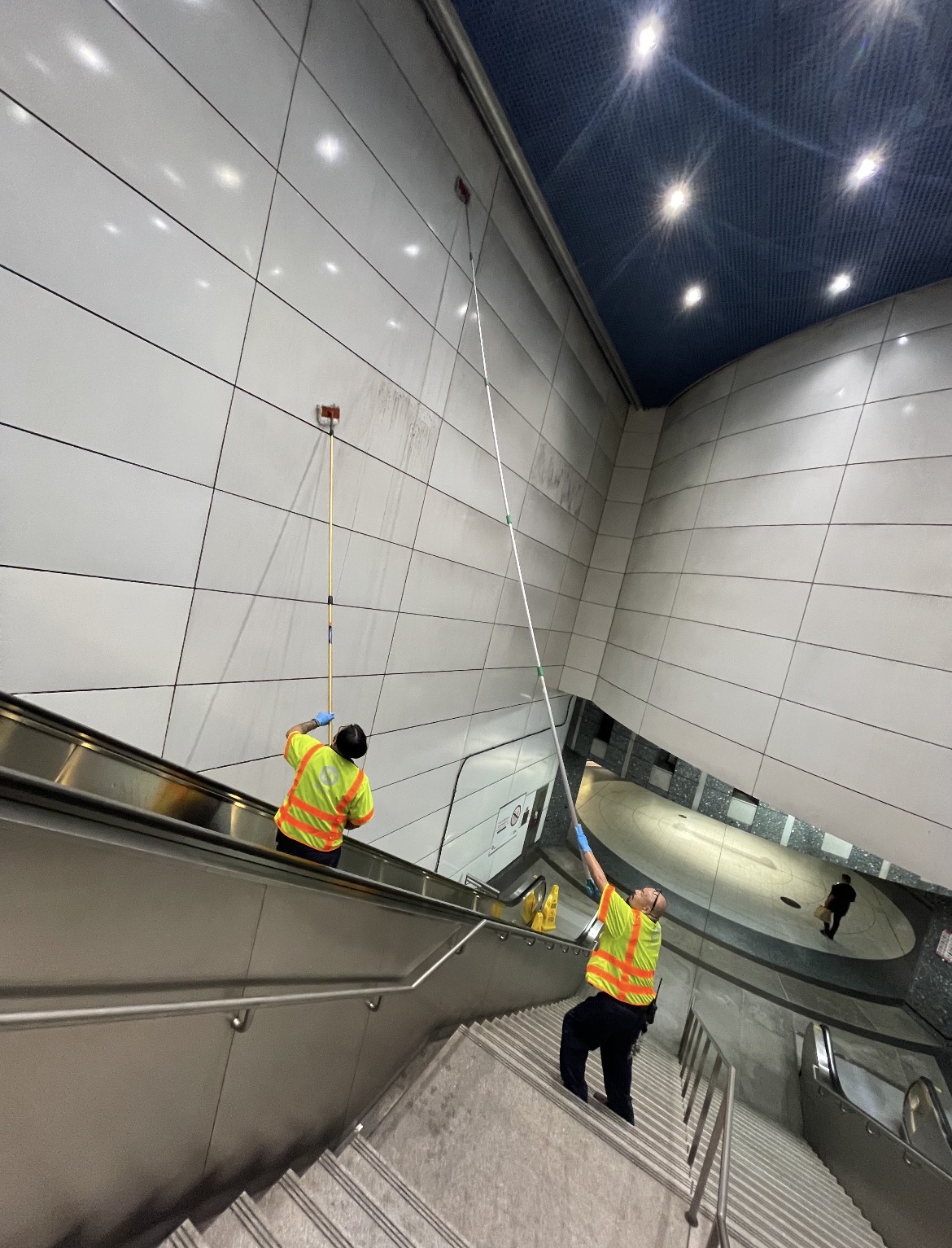
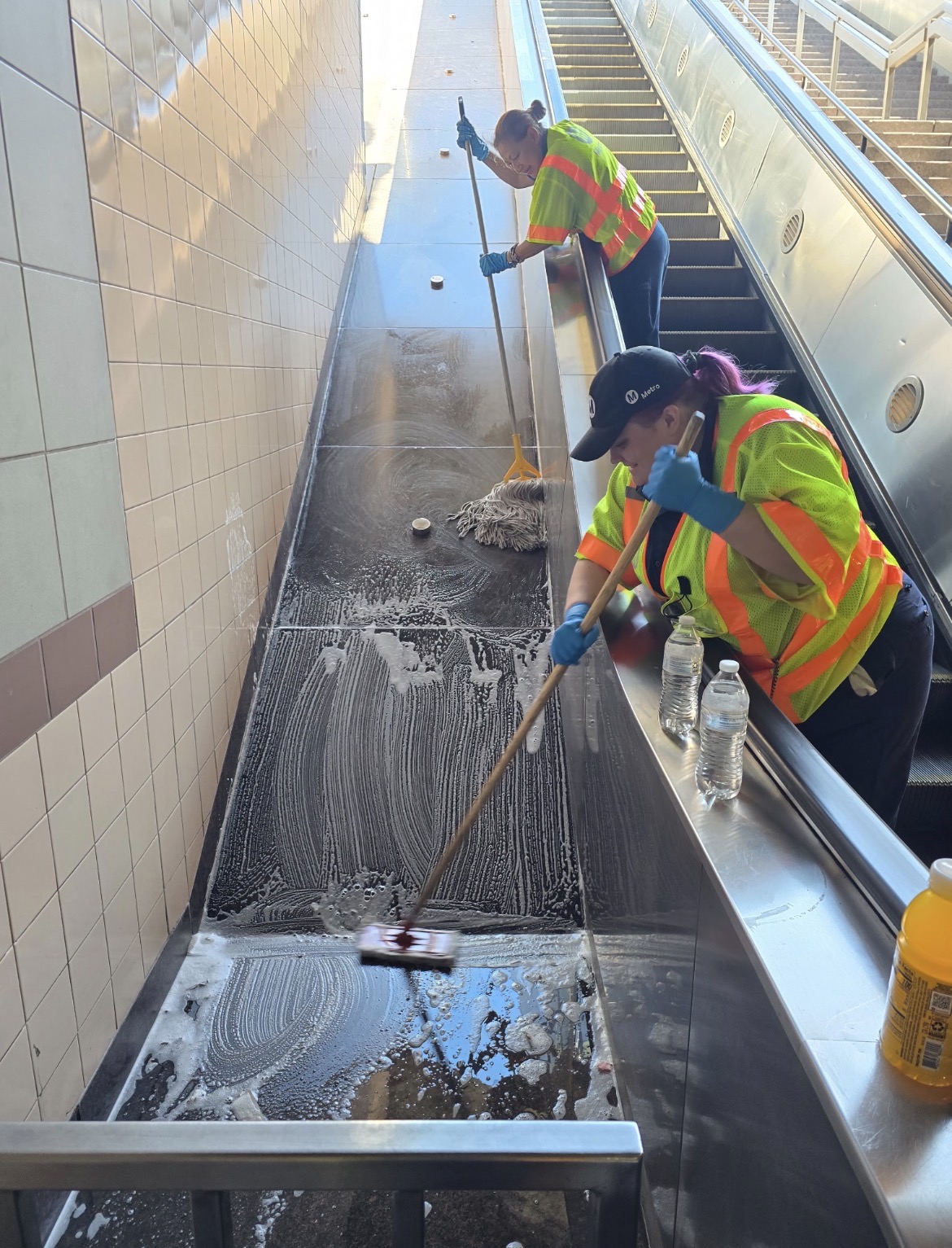
The new staffing levels allowed us to implement dedicated 24/7 coverage at hot spot and high traffic stations, and other key locations. We also implemented dedicated supervisory line coverage. This greatly improved accountability because staff and supervisors took full ownership of their assigned areas.
The increased number of staff, dedicated station and line coverage, new cleaning products, new equipment, and updated cleanliness plan resulted in:
- Improved customer experience feedback.
- Improved cleanliness results and conditions, and neutralized odors.
- Reduction in trouble tickets.
- Increased ridership.
- Agency-wide employee of the month recognition.
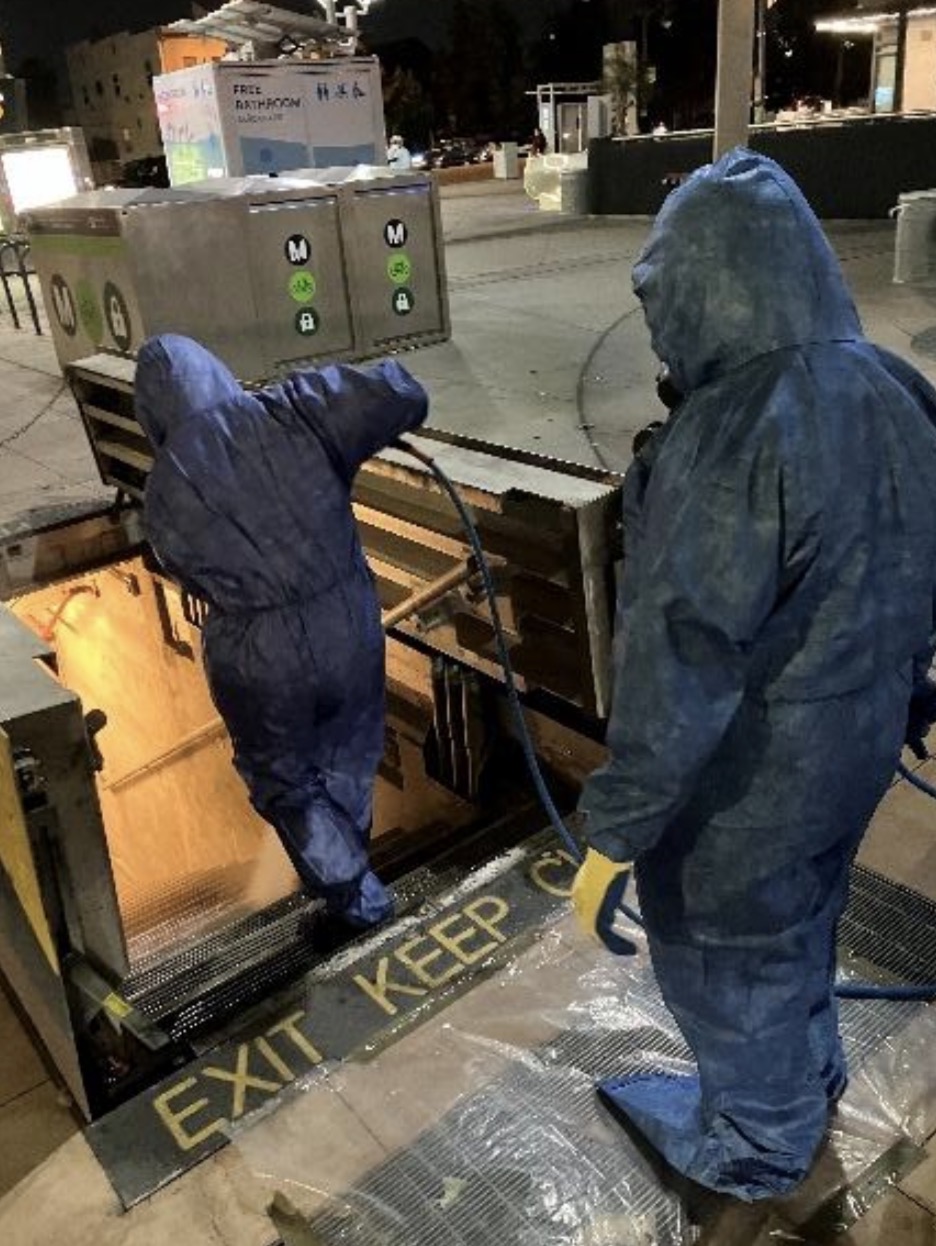
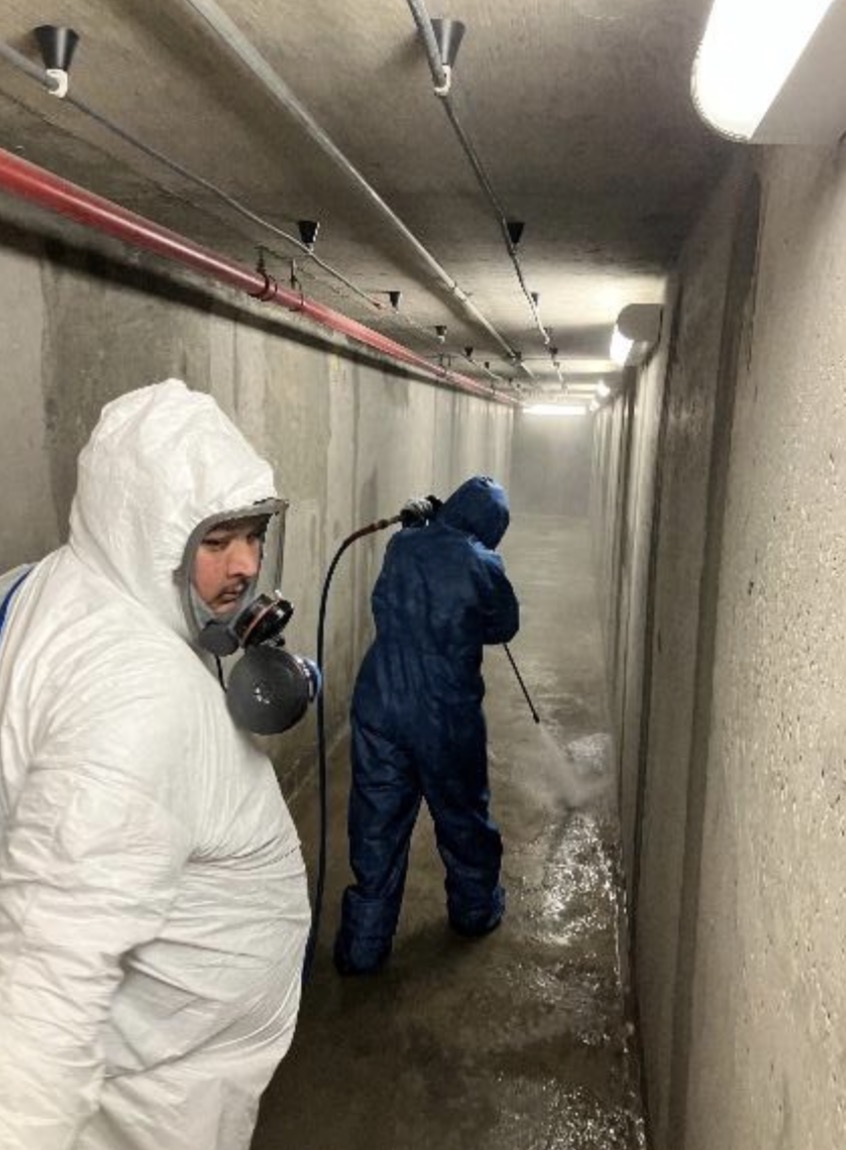
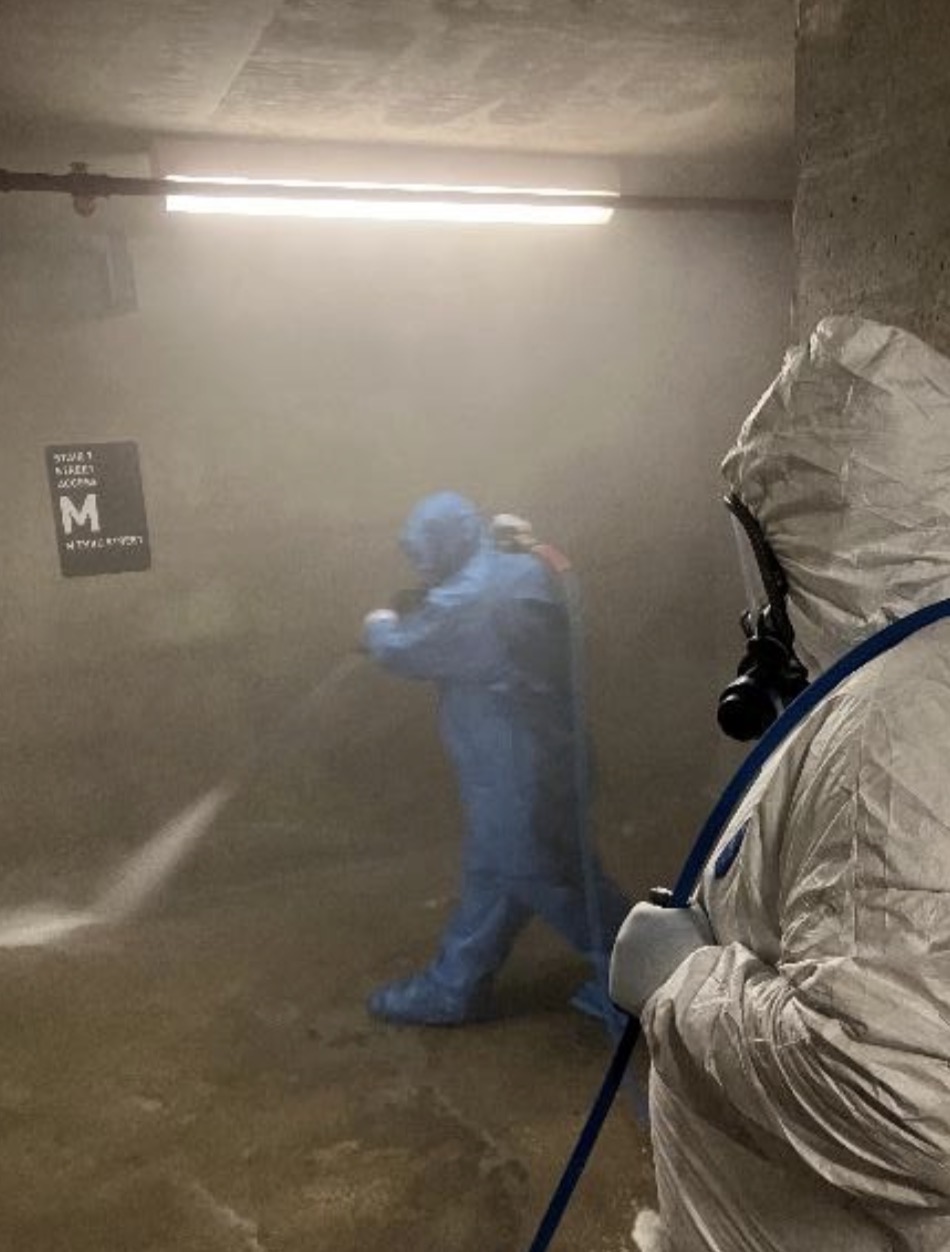
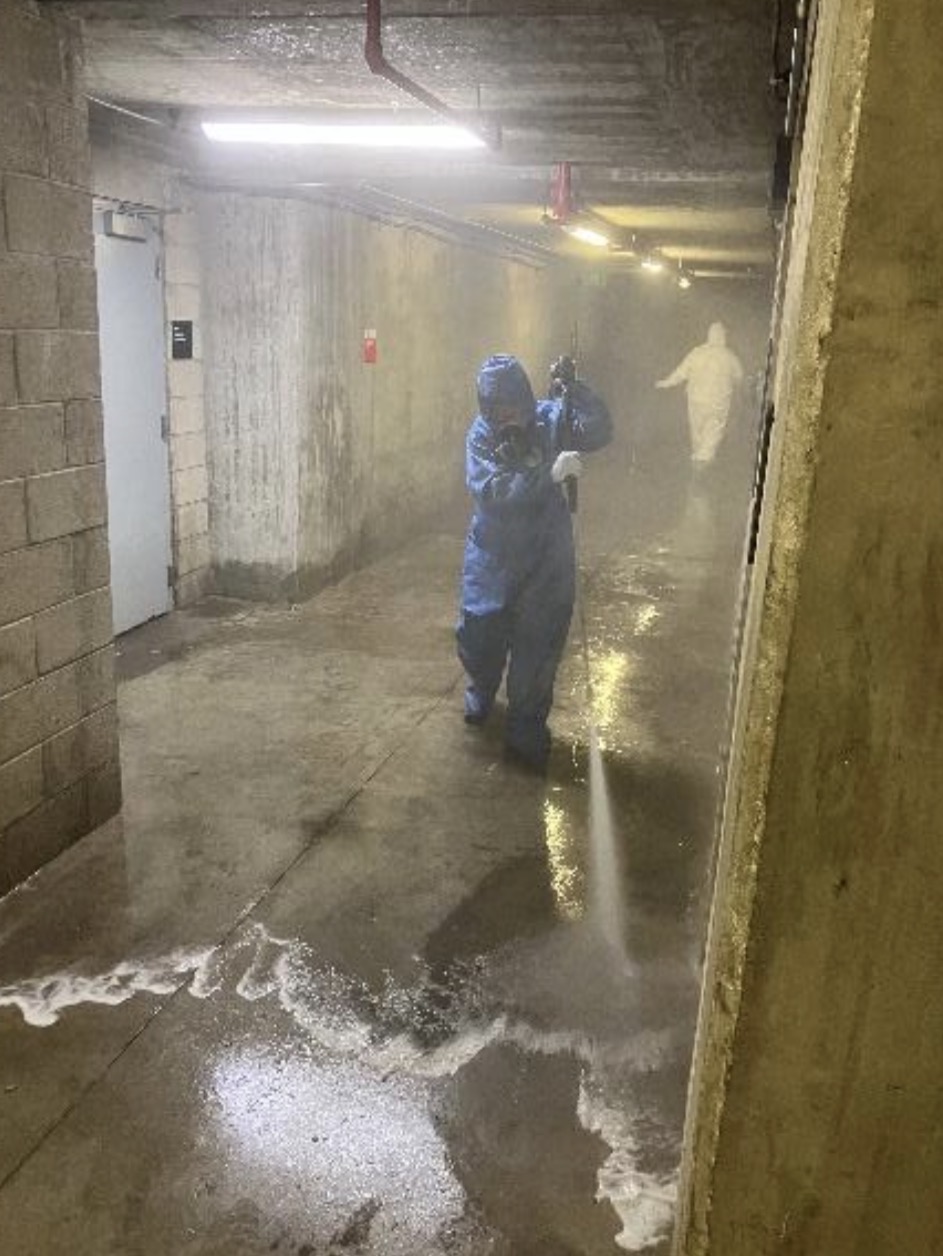
In partnership with the labor union, we created a new job classification titled Custodian Specialist. We started with 24 custodian specialists. The custodian specialists are responsible for cleaning the emergency exit corridors and any areas where unhoused persons are found loitering or encamped. These areas are regularly fouled with human waste and possess methamphetamine and fentanyl.
Each custodian specialist is required to wear special PPE such as a full body Tyvek suit, booties, gloves, and a power air-purifying respirator (PAPR). The custodian specialists were initially using Apple Meth to 7 clean the areas but are now using NeoSan. The change in product demonstrates our continued effort to find the best product available.
We procured 24 ice auto scrubbers for our 24 underground stations. Each station is serviced nightly, seven nights per week. Our supervisors and managers rely on ice technology to manage and track the floor care operations.
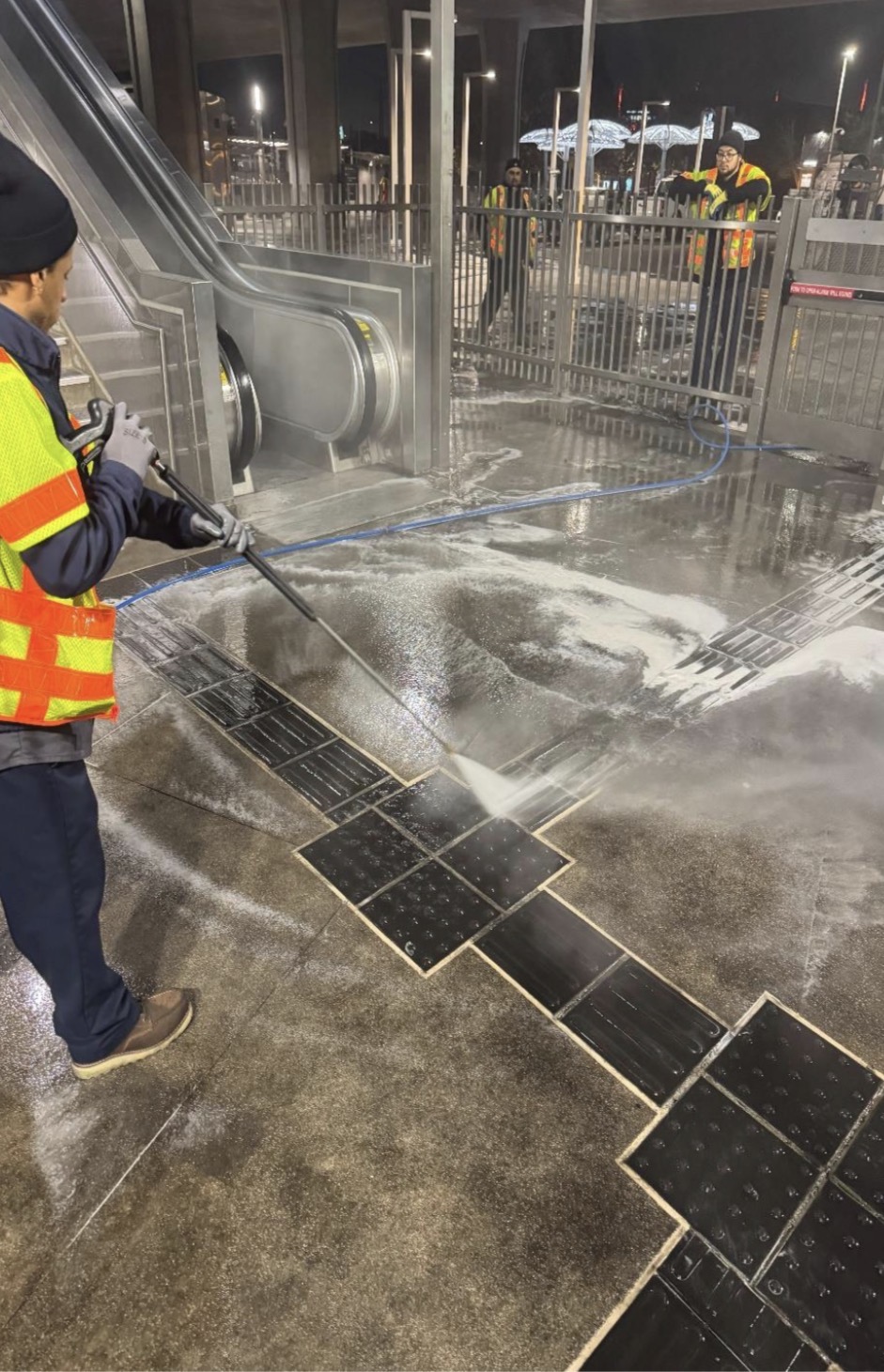
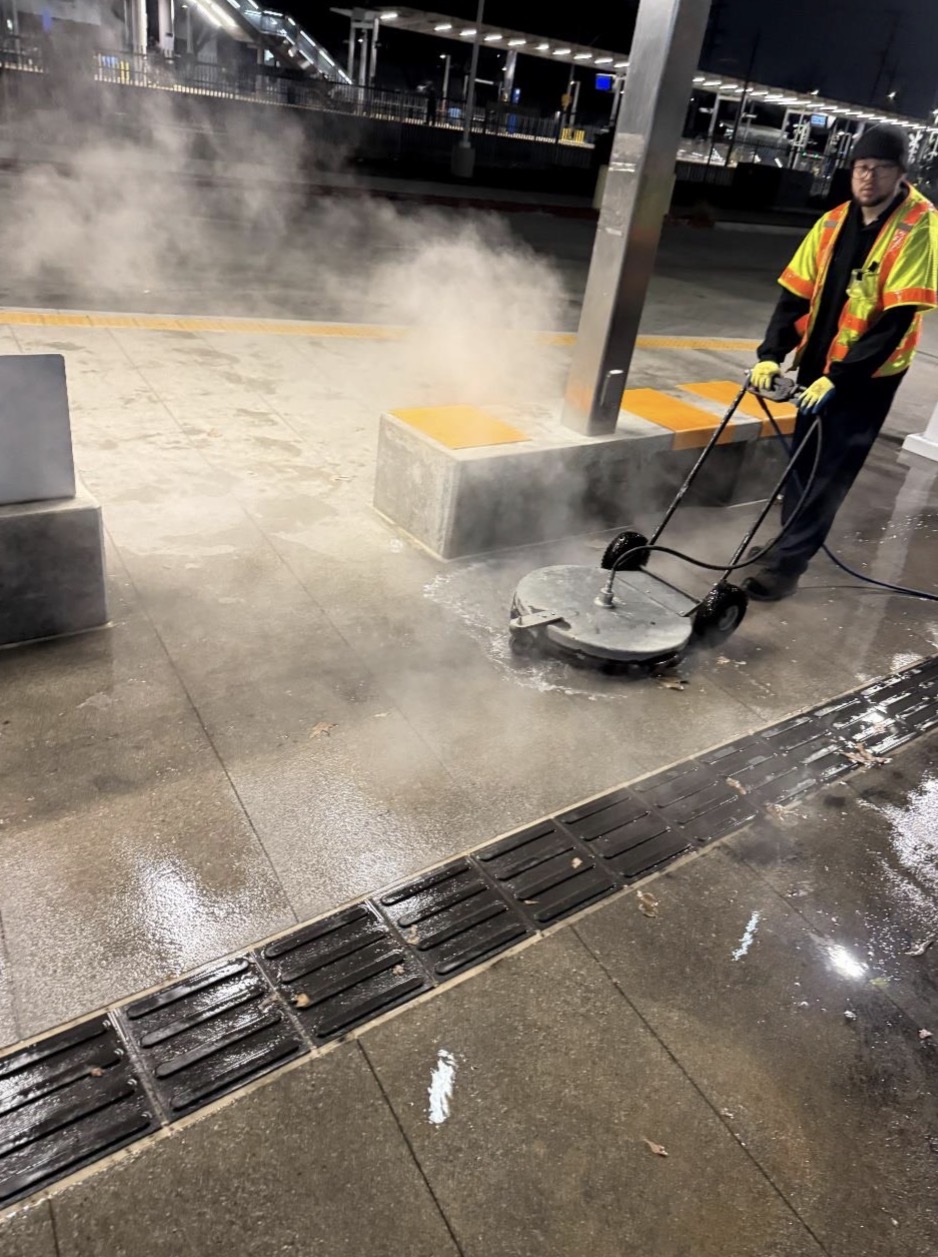
We procured two new power washing trucks, rented two trailer mounted power washing units, and are presently procuring two more power washing trucks. This is in addition to the current fleet of 15 power washers.
Our custodians responsible for power washing are servicing each of the 150+ bus and rail stations, and transit centers at least once weekly. Some hot spots and high traffic areas are services 2 or 3 times weekly.
What does having a spotless space mean to you and your team and how does it contribute to the organization’s business outcomes?
A clean environment ensures safety. A safe environment leads to higher occupancy. Our customers expect a station that is free from odors, spills, and other issues that can undermine their confidence in Metro. This positive outcome results in increased ridership, reduced traffic congestion, and overall favorable feedback
How does your facility promote sustainability and/or green cleaning?
We are transitioning our Ready-To-Use chemicals to a dilution process. The 3M Flow Control System facilitates a closed-loop system that allows for the use and dispensing of four chemical products into bottles or bucket apparatuses.
Participation in the chemical committee ensures that all products undergo a rigorous efficacy testing process. Various products are reviewed by committee members and then tested in the field. Feedback from end users is shared during meetings, where decisions are made to either approve or reject the product for company use.
We are also networking with organizations such as Disney, the Crypto Arena, and Los Angeles World Airports (LAWA). This collaboration creates opportunities for Metro to compare best practices and explore methods for process improvements. Membership in organizations like IFMA, BOMA/BOMI, and ISSA keeps Metro connected to changes and enhancements in industry standards, as well as providing networking opportunities.
Give any examples of how you aim to create an inclusive and accessible experience in your facility for users and cleaners.
Room-To-Work Program: partnered with Human Resources, the TCU Union, the Los Angeles Homeless Services Authority (LAHSA), and various community partners to train and reintegrate former unhoused individuals, including veterans, back into the workplace.
Mother’s Rooms: Metro has established dedicated spaces known as Mother’s Rooms to provide privacy for nursing women.
Sensory Rooms: Metro is exploring the possibility of piloting a program for sensory rooms, which would support individuals with special needs and disabilities.