Global HAI Data 2025: Trends, Risks, and the Role of Training
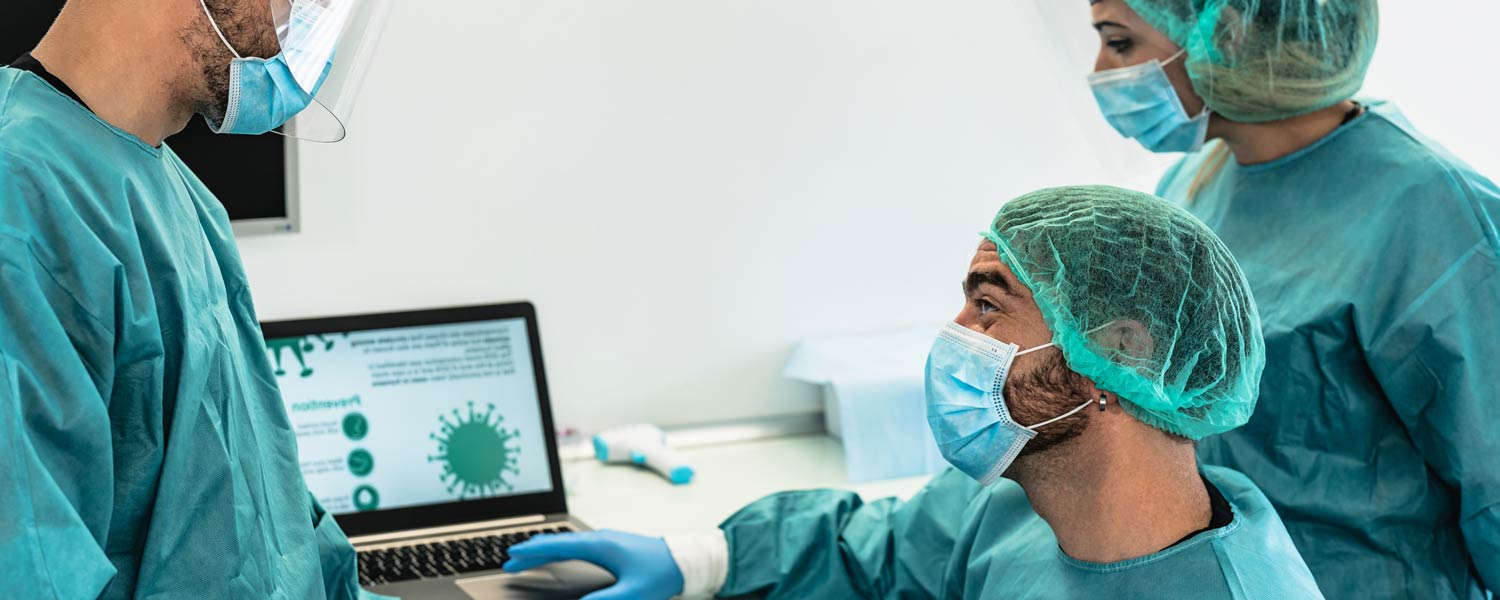
Healthcare-associated infections (HAIs) pose one of the greatest challenges to patient safety worldwide. According to the latest World Health Organization (WHO) report on infection prevention and control, nearly 1 in 10 patients globally acquires at least one HAI during healthcare. This burden is even higher in resource-limited settings. To empower healthcare professionals in the fight against HAIs, access to comprehensive training resources and certifications is critically important.
Current Global Statistics on HAIs
The WHO report details the following:
- Approximately 1 in 10 patients worldwide is affected by HAIs during healthcare delivery.
- In high-income countries, about 7 out of 100 patients in acute-care hospitals contract at least one HAI during their stay, while in low- and middle-income countries, this rate rises to 15 out of 100.
- In intensive care units, HAI rates can reach 30%, with rates far higher in low-resource settings.
- There are an estimated 136 million antibiotic-resistant HAI cases each year, mostly in middle-income countries.
- Approximately 1 in 4 cases of sepsis globally is healthcare-associated.
- HAIs cause millions of extra hospital days and substantial economic costs, such as the 25 million extra hospital days annually in Europe alone.

The Impact of Antimicrobial Resistance in Healthcare Settings
Antimicrobial resistance (AMR) drives a growing proportion of HAIs. The WHO states that deaths linked to AMR now exceed 5 million annually worldwide, with healthcare-associated infections forming a major part of this figure. Patients infected with resistant organisms have substantially higher mortality than those with non-resistant infections.
COVID-19 and Its Effect on HAIs
Disruptions caused by the COVID-19 pandemic have precipitated a worrisome increase in HAIs and AMR, emphasizing the need for resilient infection prevention and control (IPC) programs and continuous staff education.
Preventing HAIs: The Critical Role of Training and Education
Strong infection prevention results from education and adherence to best practices, including:
- Regular hand hygiene training and compliance monitoring,
- Proper use and care of invasive devices,
- Consistent and effective environmental cleaning and disinfection,
- Antimicrobial stewardship programs.
Facilities seeking to improve prevention outcomes should explore the breadth of healthcare training and certification programs designed to arm healthcare teams with the latest evidence-based strategies.
Surfaces and Their Role in HAIs
Surfaces in healthcare environments are a well-established vector for pathogen transmission. The Healthcare Surfaces Institute highlights research and initiatives to improve materials and cleaning protocols that help break the chain of infection, complementing staff training to reduce HAIs.
Conclusion
The WHO’s latest evidence underscores that HAIs remain a significant global burden requiring sustained combat through training, innovation, and rigorous infection prevention programs. By engaging with proven education resources, improving surface hygiene, and adhering to IPC best practices, healthcare providers can make substantial progress in reducing HAIs and enhancing patient safety.